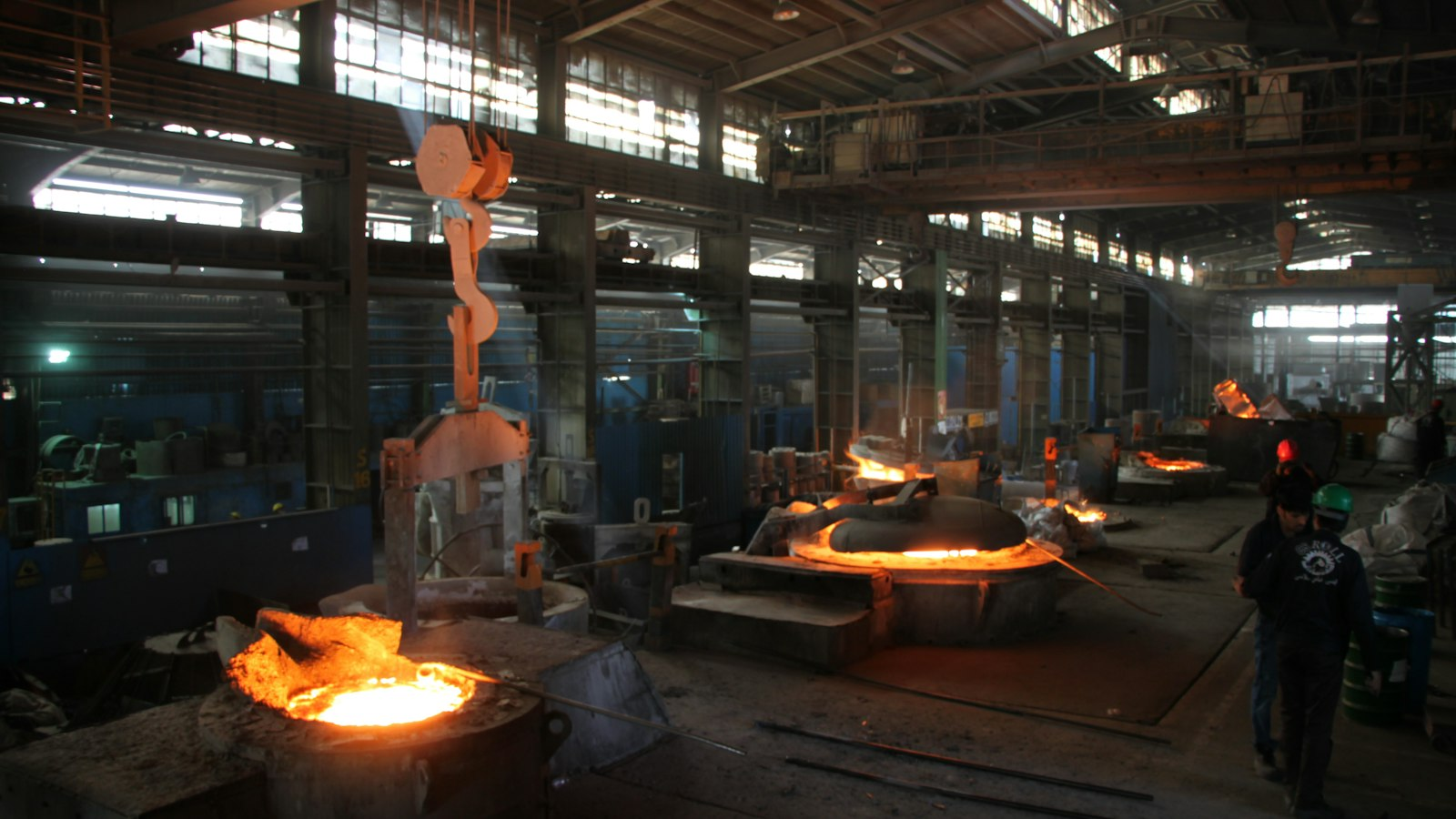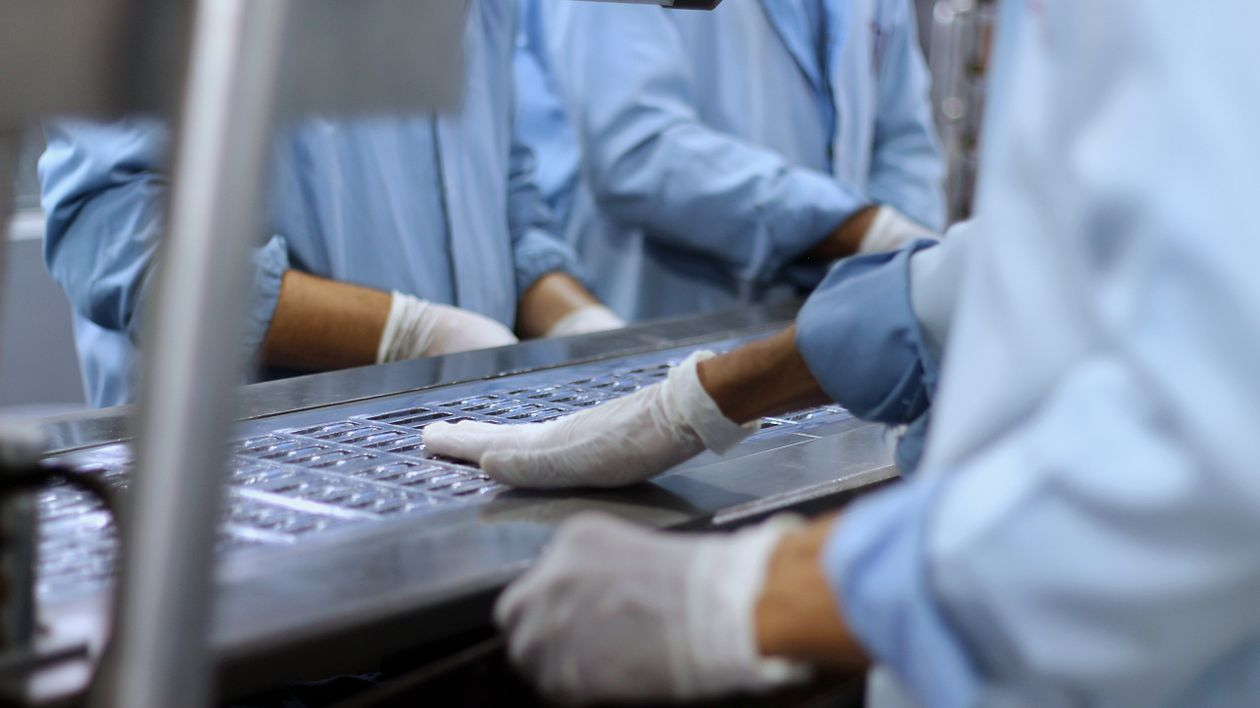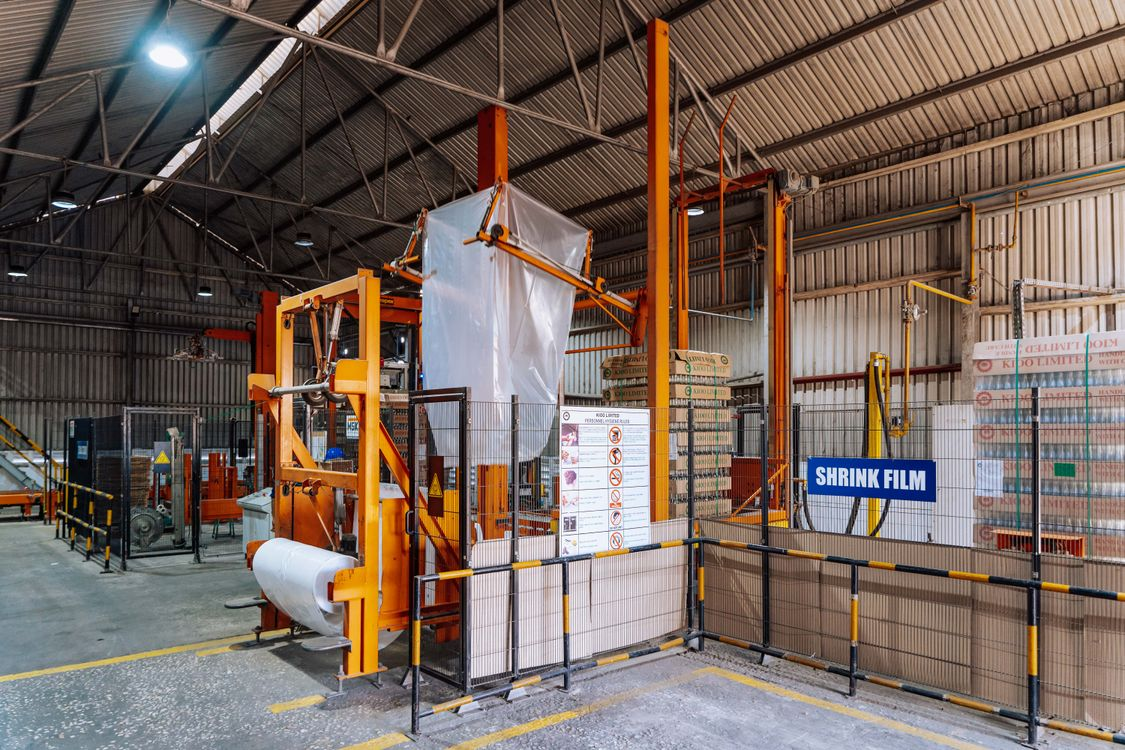
Magnera has installed and commissioned a new blown film production line at its Dombühl plant in Germany, adding five layer manufacturing capability for lightweight and elastic films used primarily in personal care and healthcare applications.
The investment forms part of a wider modernisation programme at the site and combines the new production equipment with changes to supporting infrastructure. Magnera has not disclosed the capital value or nominal annual output of the line, but says the project increases manufacturing flexibility and its ability to produce more technically demanding film structures.
Blown film production starts with polymer resin being melted inside an extruder and forced through a circular die. Air inflates the emerging tube into a bubble while rollers draw the film upwards, controlling its thickness and orientation before it is collapsed, wound and converted into rolls for later processing.
A five layer system uses multiple extruders to feed different polymer streams into the die, producing one film whose cross section contains several distinct material layers. Engineers can therefore place different properties in different parts of the structure rather than relying on one polymer to provide every characteristic required by the finished product.
One layer can provide strength while another influences elasticity, sealing behaviour, softness or compatibility with adjoining materials. More expensive polymers can also be concentrated where their performance is required instead of being used through the full film thickness.
Lightweight films make that flexibility useful because reducing gauge eventually compromises tear resistance, handling or conversion performance if the material structure remains unchanged. Multilayer construction provides additional variables with which to reduce mass while retaining the mechanical behaviour needed through production and use.
Elastic structures create a different requirement. Material incorporated into personal care products may have to stretch and recover repeatedly while also surviving converting machinery running continuously at high speed, placing demands on both formulation and process stability.
The Dombühl line is intended to support lightweight and elastic applications, so temperature, pressure, melt flow, cooling and haul-off speed all have to remain controlled across several polymer streams. Variation around the film bubble can produce uneven gauge or layer distribution that later appears as inconsistent mechanical performance.
Adding layers increases the number of interacting process variables because several melt streams must arrive at the die at compatible temperatures and flow rates. Poor distribution can produce thin spots, interfacial weakness or local changes in composition even when the total film thickness remains within specification.
Commissioning therefore requires more than proving that the machinery can run. Magnera has to establish repeatable operating windows for the polymer combinations, dimensions and speeds expected commercially, while inspection and quality systems need to identify deviations before large quantities of material move into downstream converting.
The new equipment was integrated alongside wider infrastructure and production improvements at Dombühl. Resin handling, utilities, cooling, winding, inspection and material movement all have to support the line if higher extrusion capability is to translate into additional finished output.
Blown film production also carries a substantial energy load. Extruders heat and mechanically work polymer continuously, cooling equipment removes heat from the bubble and auxiliary systems feed material and control the process, making long stable production runs generally more efficient than repeated stops and restarts.
Frequent product changes can work against that efficiency where formulations require cleaning, temperature adjustments or material transitions. A line designed for several structures and markets therefore has to balance flexibility against the waste and downtime created when production moves between products.
Magnera’s wider materials business was formed through the combination of Berry Global’s Health, Hygiene and Specialties operations with Glatfelter, bringing together films, nonwovens and other engineered substrates across an international manufacturing network.
The Dombühl investment adds a specific multilayer film capability within that portfolio. Its commercial value will depend on how much customer demand requires structures that cannot be produced economically on simpler equipment and how effectively those applications can be grouped into stable production campaigns.
Greater structural complexity also affects material recovery. Combining polymers with different properties can make recycling more difficult if the finished film is incompatible with established waste streams, even where multilayer construction has reduced the amount of material needed during manufacture.
Film development increasingly has to balance those requirements by reducing overall material content and using compatible polymer families where possible without compromising sealing, elasticity or conversion performance. Five layer production gives Magnera more formulation options, but each structure still has to satisfy customer specifications, manufacturing economics and end of life requirements.
The Dombühl line has now moved from installation into commercial operation. Customer qualification, production yield and line utilisation will show whether the additional layers allow Magnera to reduce material weight or improve elastic performance without introducing process complexity that outweighs the manufacturing benefit.