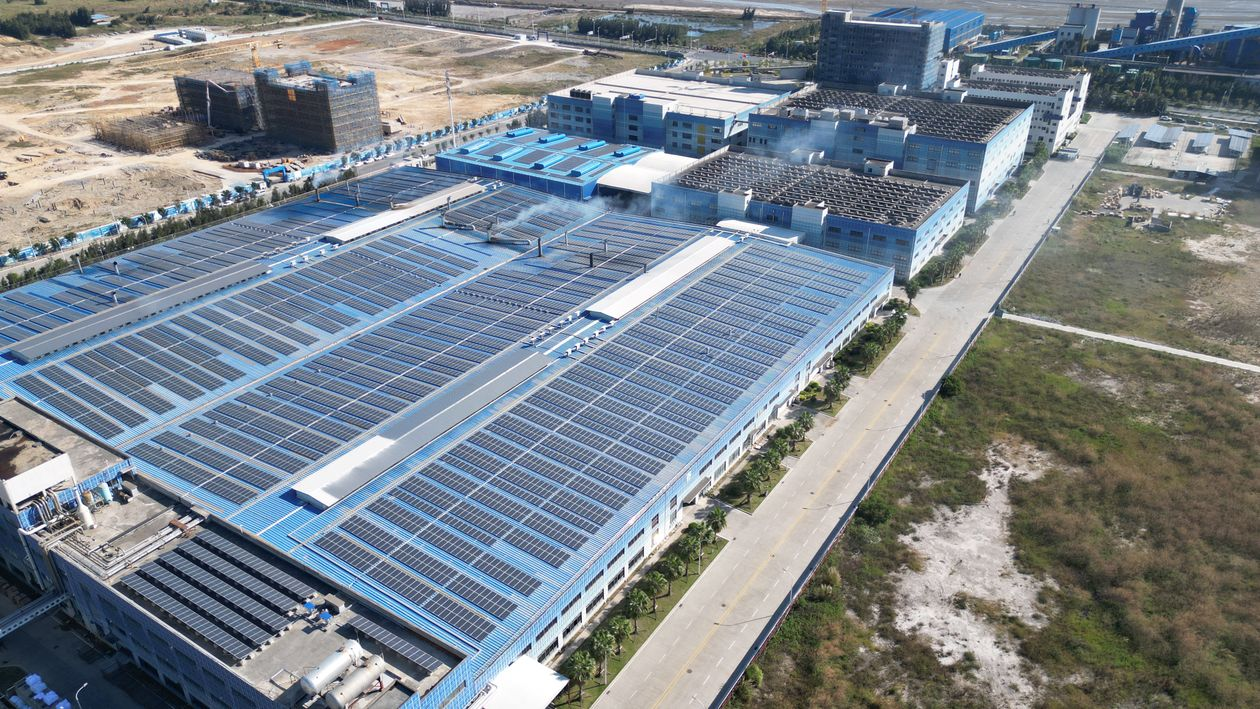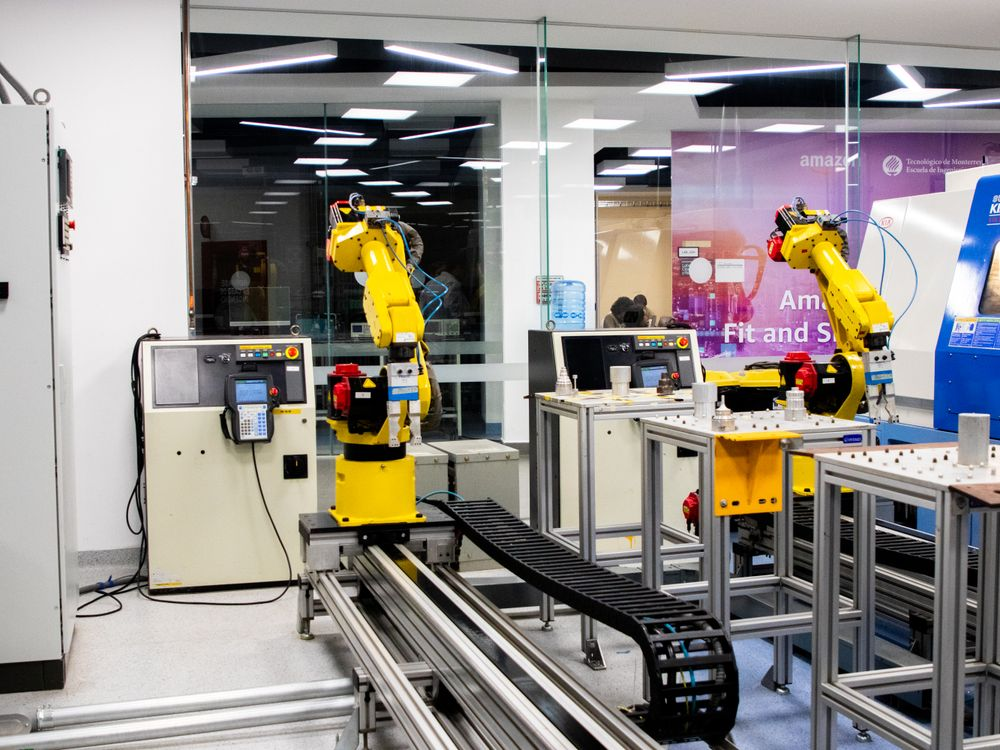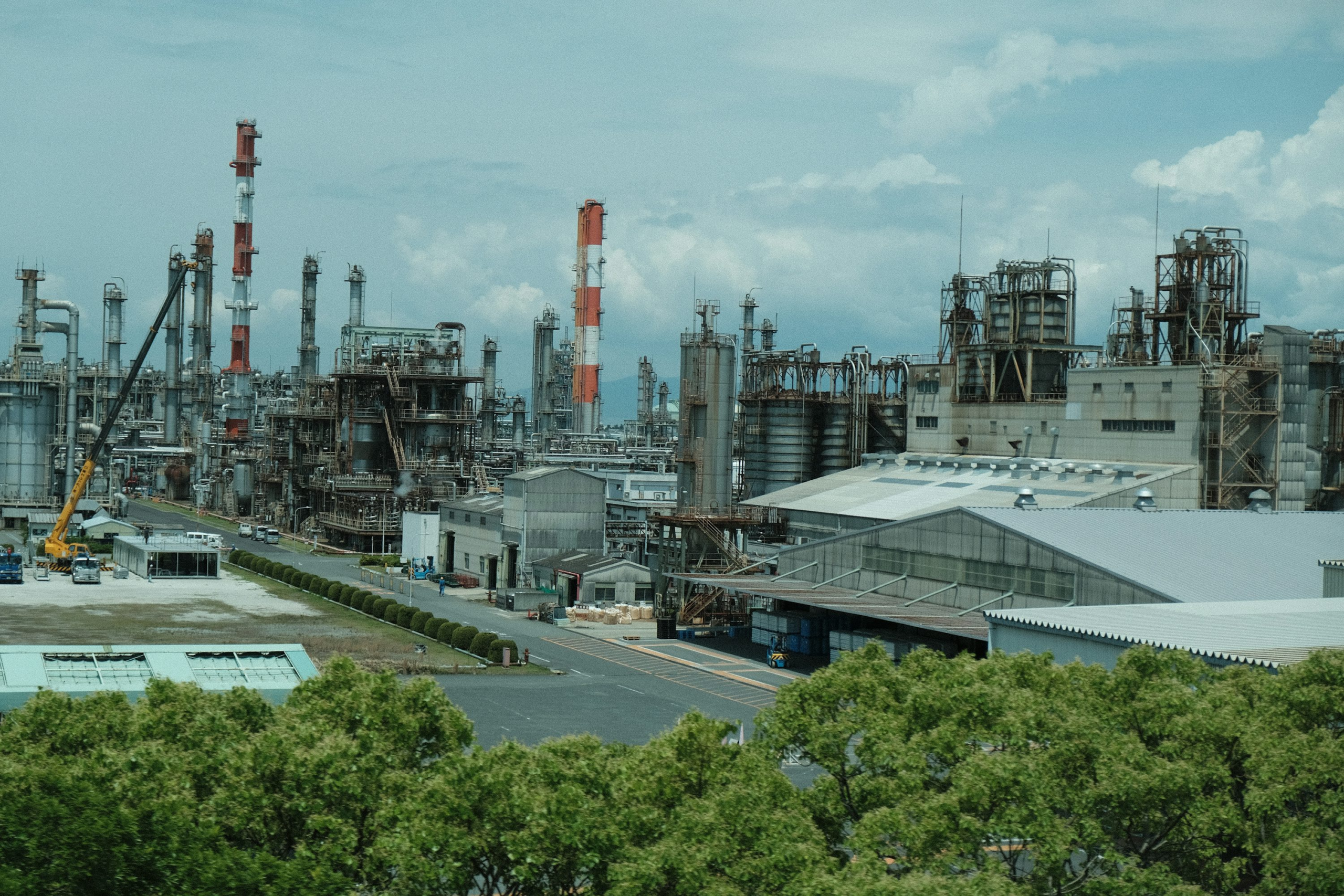
Air Liquide plans to make approximately €24 billion of industrial investment decisions through 2030 under a strategy that directs additional capital towards semiconductor manufacturing, energy transition infrastructure, space and other expanding industrial markets.
The investment programme forms part of BEYOND, Air Liquide’s strategic plan for 2026 to 2030. The group intends to commit more than €40 billion of capital over the period when industrial projects, acquisitions and shareholder distributions are considered together, with more than half directed towards higher industrial investment and acquisitions.
Investment decisions and cash expenditure will not occur on the same timetable because large industrial gas projects can take several years to build. Approving a project during the BEYOND period therefore does not mean all construction spending or revenue associated with it will fall within the same five years.
Air Liquide typically develops large gas production assets where long term demand has already been identified. Oxygen, nitrogen, hydrogen and specialty gas facilities require substantial upfront capital, so major projects are frequently supported by contracts under which industrial customers commit to purchasing gas or using infrastructure over extended periods.
The company says the €24 billion programme will concentrate particularly on investments backed by such agreements. Contracted demand reduces part of the volume risk while Air Liquide takes responsibility for designing, financing, operating and maintaining the production assets.
Semiconductor manufacturing is one of the largest growth areas identified in BEYOND. Chip fabs consume high volumes of ultra high purity bulk gases alongside smaller quantities of advanced materials and precursor chemicals, with contamination limits becoming tighter as device structures shrink and manufacturing processes add complexity.
Gas systems are consequently integrated into the manufacturing infrastructure of a fab rather than treated as ordinary utilities. Nitrogen, hydrogen, argon and specialty materials have to reach process tools at controlled purity and pressure, while supply interruptions can stop production steps containing high value wafers.
Air Liquide expects its Electronics business to grow by more than 10% annually during the plan period, supported by artificial intelligence infrastructure, additional semiconductor fabrication capacity and policies aimed at expanding domestic chip production in several regions.
Physical investment is already following that demand. Air Liquide announced more than €170 million of spending in September to support semiconductor manufacturing expansion in Japan, providing one example of the contracted gas infrastructure likely to sit within the broader capital programme.
Electronic materials are also becoming more specialised as chip structures change. Air Liquide intends to expand proprietary precursors used during deposition and etching, where the required molecule can be designed around a specific process step rather than supplied as a generic industrial chemical.
Energy transition projects carry a different risk profile from established semiconductor gas contracts. Air Liquide is continuing to industrialise technologies including PEM electrolysers, ammonia cracking, hydrogen liquefaction and its Cryocap carbon capture process, all of which depend on energy costs, utilisation and customer demand developing sufficiently to support capital intensive infrastructure.
PEM electrolysers use electricity to split water into hydrogen and oxygen across a proton exchange membrane. Their ability to change output rapidly makes them suitable for variable renewable electricity, but hydrogen cost remains strongly influenced by the price of that power and the proportion of time the electrolyser operates.
Ammonia cracking addresses transport and storage rather than hydrogen production itself. Ammonia can carry hydrogen more densely than gaseous hydrogen and is already traded internationally, but recovering the hydrogen at its destination requires heat, catalytic conversion and subsequent gas purification.
Liquefaction introduces another substantial energy requirement because hydrogen has to be cooled to cryogenic temperature before it becomes liquid. Air Liquide’s strategy is therefore partly based on standardising technologies developed internally so that later projects can reuse proven engineering rather than beginning from a bespoke demonstration each time.
The group is also targeting space applications, where cryogenic oxygen and hydrogen are used as rocket propellants and launch sites require storage, conditioning and ground equipment capable of handling fluids at extremely low temperatures.
Related cryogenic expertise is being directed towards fields including nuclear fusion, quantum technology and electricity transmission. Those markets are at very different levels of commercial maturity, so their capital requirements are unlikely to develop at the same pace as semiconductor or conventional industrial gas projects.
Across the group, Air Liquide is targeting average annual sales growth of 5%, plus or minus one percentage point, between 2026 and 2030. It also plans to improve operating margin by 400 to 600 basis points and achieve recurring return on capital employed above 11% in 2030.
Those return targets constrain how the €24 billion industrial programme can be allocated. Projects have to earn an adequate return while the group simultaneously invests in decarbonisation, manufacturing resilience and technologies whose policy or market support may develop more slowly than their engineering capability.
Air Liquide also plans greater standardisation, central procurement and use of artificial intelligence across operations. Industrial gas networks generate operating data from compressors, separation units, pipelines, storage and customer demand, allowing maintenance and production scheduling to be optimised where the underlying information is sufficiently reliable.
BEYOND retains the company’s target to reduce Scope 1 and Scope 2 carbon dioxide emissions by 33% by 2035 compared with 2020. Additional production capacity can increase both electricity use and direct emissions, so expansion has to be combined with cleaner power, carbon capture or lower carbon production methods if the group is to grow while meeting that trajectory.
The €24 billion commitment will consequently span assets with very different risk profiles. Contracted semiconductor facilities offer comparatively visible utilisation, while hydrogen, carbon capture, space and newer cryogenic applications depend on markets that are still developing.
The mix of projects receiving final investment approval will show how Air Liquide balances those risks through 2030. Capital moving into repeat semiconductor and industrial gas infrastructure will indicate established demand, while larger commitments to hydrogen or other emerging technologies will require customers willing to support new production systems at commercial scale.