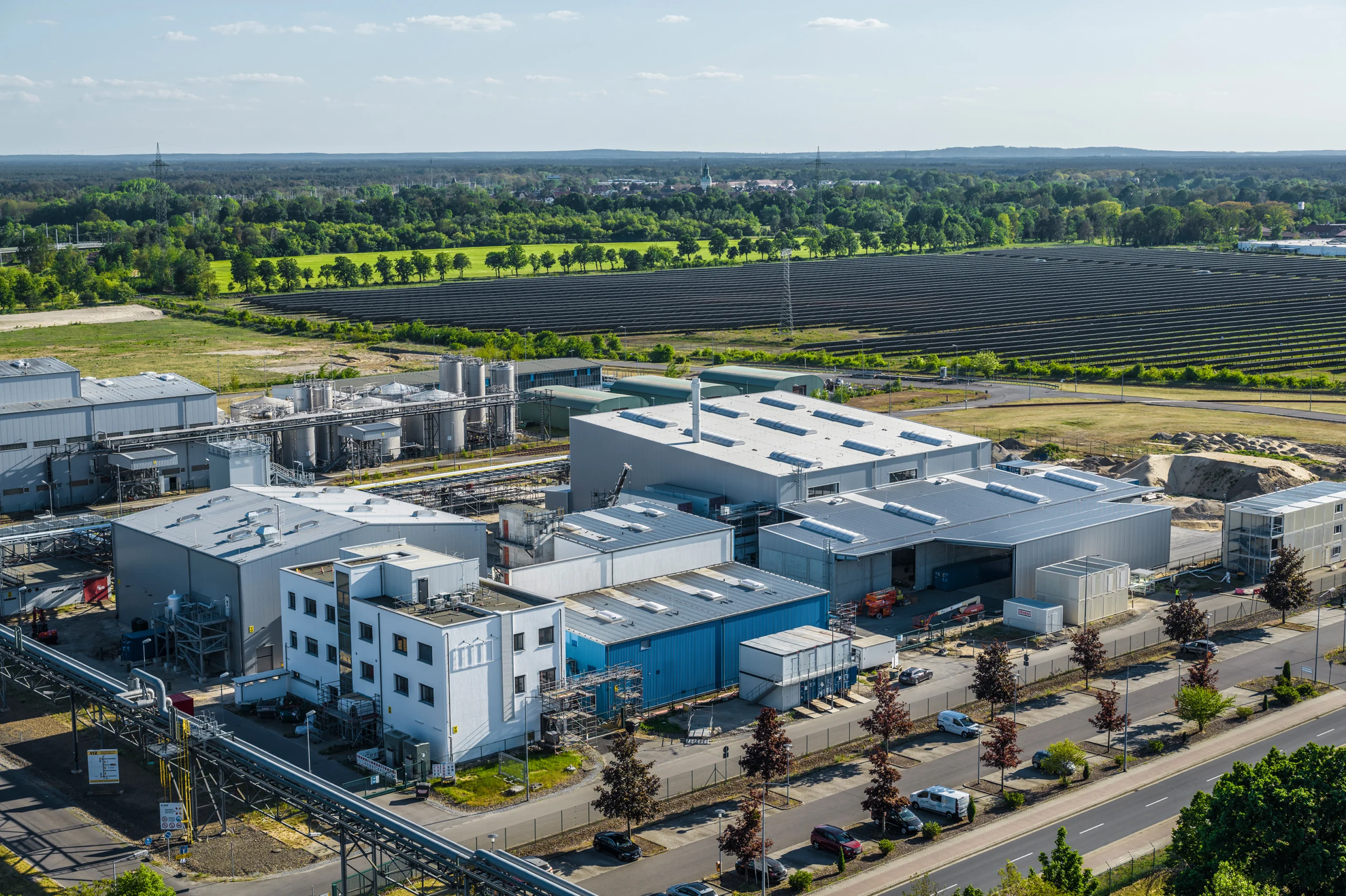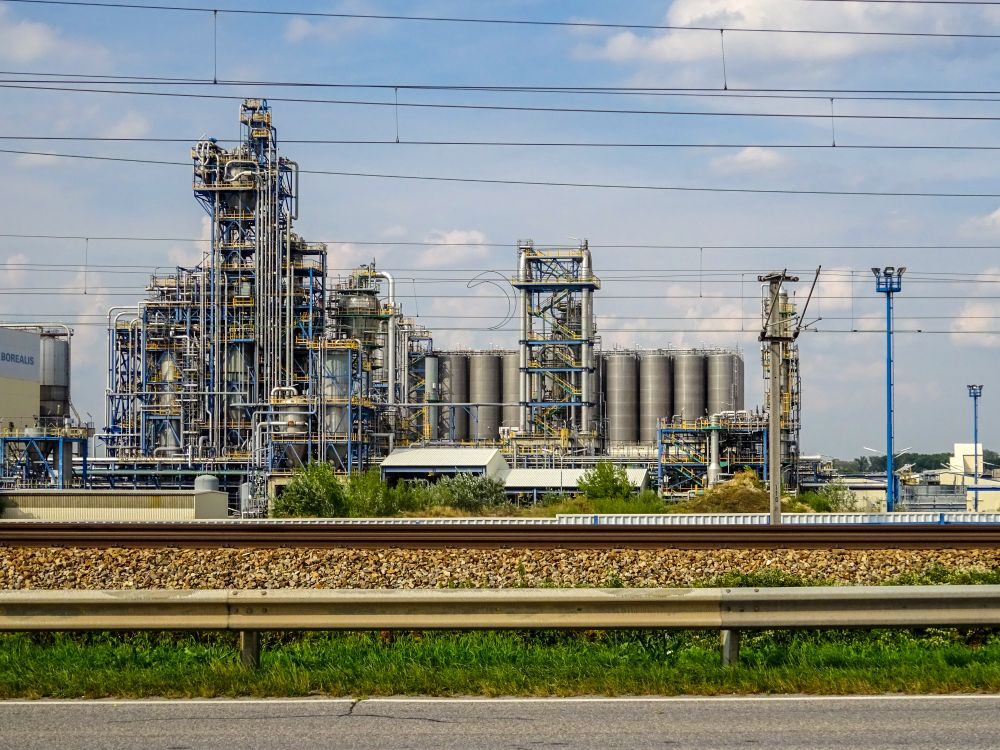
thyssenkrupp Decarbon Technologies has agreed to support the development of two proposed e-methanol production facilities in northern Sweden through a new collaboration with Liquid Energy Design, bringing industrial engineering expertise and development financing to projects in Umeå and Örnsköldsvik.
Each facility is designed for approximately 100,000 tonnes of annual e-methanol production, giving the two developments a combined prospective capacity of 200,000 tonnes if both proceed to construction and full operation.
The projects will use renewable electricity and biogenic carbon dioxide to manufacture synthetic methanol intended for fuel markets, including shipping, and as a potential feedstock for further synthetic fuel production.
Liquid Energy Design will continue leading project development, while thyssenkrupp’s chemical engineering business, thyssenkrupp Uhde, is the intended engineering, procurement and construction partner. The EPC appointments remain subject to final investment decisions and the completion of the necessary contractual arrangements.
Local energy companies Umeå Energi and Övik Energi are also participating. They are expected to provide access to suitable industrial sites, biogenic carbon dioxide and electricity grid connections, integrating the proposed chemical production facilities with existing energy infrastructure.
The Umeå development, known as FlagshipTHREE, is targeting a final investment decision before the end of 2027. The Örnsköldsvik project is following a separate development programme, with construction provisionally envisaged during 2028 or 2029.
Neither plant has reached a final investment decision, and the companies have not announced a definitive construction contract, total capital expenditure or commercial production date.
The proposed manufacturing process would combine hydrogen generated through electrolysis with carbon dioxide recovered from biomass-based energy production. Chemical synthesis would then convert those inputs into methanol, creating a liquid product that can be stored and transported using suitable industrial equipment.
Electrolysis uses electrical energy to separate water into hydrogen and oxygen. An industrial electrolyser requires a suitable electricity supply, treated water and supporting equipment to manage gas production, cooling and other operating conditions.
Hydrogen output depends on the equipment’s capacity and utilisation. The cost and emissions associated with production are also influenced by the electricity used, making the availability and commercial terms of renewable power important considerations for the proposed facilities.
The hydrogen would be combined with captured carbon dioxide in a methanol synthesis process. The principal reaction converts carbon dioxide and hydrogen into methanol and water under controlled conditions, typically involving a catalyst and elevated temperature and pressure.
Industrial methanol synthesis requires the feed gases to meet appropriate purity and composition requirements. Impurities can affect catalyst performance or introduce unwanted substances into the finished product, making gas conditioning an important part of the process design.
The chemical reaction also generates heat that must be managed within the production system. Reactor design, heat exchange, gas circulation and product separation consequently influence the efficiency and reliability of the complete plant.
After synthesis, the methanol must be separated and purified to the specification required by its intended customers. Product quality requirements differ according to whether the material is supplied for industrial chemical processing, use as an appropriate fuel or further conversion into another product.
Both Swedish projects are intended to obtain carbon dioxide from existing combined heat and power operations. This creates a potential industrial connection between biomass-based energy generation and synthetic fuel manufacturing.
In Örnsköldsvik, the proposed facility would be located alongside Övik Energi’s combined heat and power plant at Hörneborg. The plant uses biomass fuels, including residual wood material sourced from regional industries, and produces flue gases containing carbon dioxide of biological origin.
Recovering that carbon dioxide requires equipment capable of separating it from other constituents of the flue gas. The captured material must subsequently be conditioned for the synthesis process, with the necessary treatment depending on the composition of the gas and the requirements of the downstream equipment.
Flue gas capture introduces an additional interface between the energy plant and the proposed chemical factory. Carbon dioxide availability may vary with the operation of the combined heat and power facility, so the fuel project must establish how feedstock supply will be maintained under its intended production schedule.
Changes in electricity generation, heat demand or maintenance requirements at the existing energy facility could affect carbon dioxide availability. Storage, process flexibility or other operating arrangements may therefore need to be considered during detailed engineering.
The Örnsköldsvik location offers access to established industrial infrastructure and port facilities. These could support the delivery of equipment and subsequent distribution of liquid methanol, although the partners have not disclosed final arrangements for storage, export or transport.
At Umeå, the proposed FlagshipTHREE facility is being developed with Umeå Energi. The project is associated with Umeå Eco Industrial Park and would use biogenic carbon dioxide from the energy company’s existing combined heat and power operations.
The availability of an industrial site and an identified carbon dioxide source can reduce some uncertainty during project development. It does not remove the need for permits, technical studies, electricity supply arrangements or agreements covering the quantity and quality of carbon dioxide delivered.
Locating the proposed factories close to existing energy infrastructure also creates engineering opportunities for integrating utilities and material flows. The practicality of those arrangements will depend on the distances between facilities, the selected process configuration and the operating requirements of the participating companies.
Both developments are expected to require substantial quantities of electricity for hydrogen production. Electrolysis is an energy-intensive operation, and a commercial e-methanol facility must coordinate power availability with the requirements of its downstream synthesis process.
Where electricity supply varies, engineers must determine how changes in hydrogen output will affect the remainder of the plant. Buffer storage and appropriate operating flexibility may be options, although neither project has disclosed its final hydrogen storage or process control arrangements.
Reliable access to biogenic carbon dioxide is equally important. A plant designed for continuous methanol production requires a consistent feedstock supply or a means of accommodating interruptions without compromising equipment operation.
The combined energy and carbon dioxide requirements help explain the decision to locate the projects near established biomass-based industrial operations rather than construct standalone chemical facilities without an identified feedstock source.
The intended product is e-methanol, which has potential applications as a lower fossil-carbon alternative in suitable marine fuel systems. Methanol can be handled as a liquid under ordinary ambient conditions, although its use as a fuel requires appropriate storage, materials, safety procedures and compatible engines or fuel conversion equipment.
Its suitability for shipping does not make it directly interchangeable with conventional aviation fuel. For aviation applications, methanol may serve as an intermediate feedstock in a separate chemical conversion process designed to produce a fuel meeting the relevant technical and certification requirements.
Other synthetic fuel applications will similarly depend on the product specification and the equipment used by the customer. The proposed plants have not disclosed binding sales agreements or an allocation of output between shipping, aviation-related processing and other markets.
The emissions performance of e-methanol must be considered across the production and use cycle. Although carbon dioxide of biological origin can replace fossil-derived carbon in the manufacturing process, the carbon contained in the methanol may be released again when the fuel is consumed.
Lifecycle results depend on the source of electricity, carbon dioxide capture, production efficiency, transport and the final application. The companies have not published independently verified lifecycle emissions figures for the proposed Swedish facilities.
thyssenkrupp Uhde’s intended EPC role would involve coordinating the detailed engineering and delivery of industrial equipment, subject to the projects reaching the required investment and contractual milestones.
An EPC programme for a chemical plant can encompass process engineering, equipment procurement, construction coordination and the preparation required for commissioning. The final division of responsibilities will depend on the contracts eventually signed.
The new collaboration also provides a revised development structure for projects previously associated with Liquid Wind. The former developer entered bankruptcy proceedings in May 2026, after which Liquid Energy Design took forward development activities connected with the existing e-fuel project portfolio.
Restarting development under a new arrangement does not establish that the previous project’s contracts, financing or technical decisions remain unchanged. The current partners must still establish a deliverable investment and construction programme under the new structure.
Development financing from thyssenkrupp Decarbon Technologies will support progress towards those decisions. It is distinct from a commitment to finance construction of the entire proposed production capacity, and the companies have not disclosed the amount involved.
The immediate priority is advancing FlagshipTHREE in Umeå towards its targeted final investment decision by the end of 2027. Örnsköldsvik will continue through its own development process, with construction provisionally planned for 2028–2029.
Both projects will require further technical, commercial and regulatory work before construction can be authorised. A positive investment decision and confirmed EPC arrangements would provide the next substantial milestones for the proposed 200,000-tonne annual e-methanol manufacturing programme.