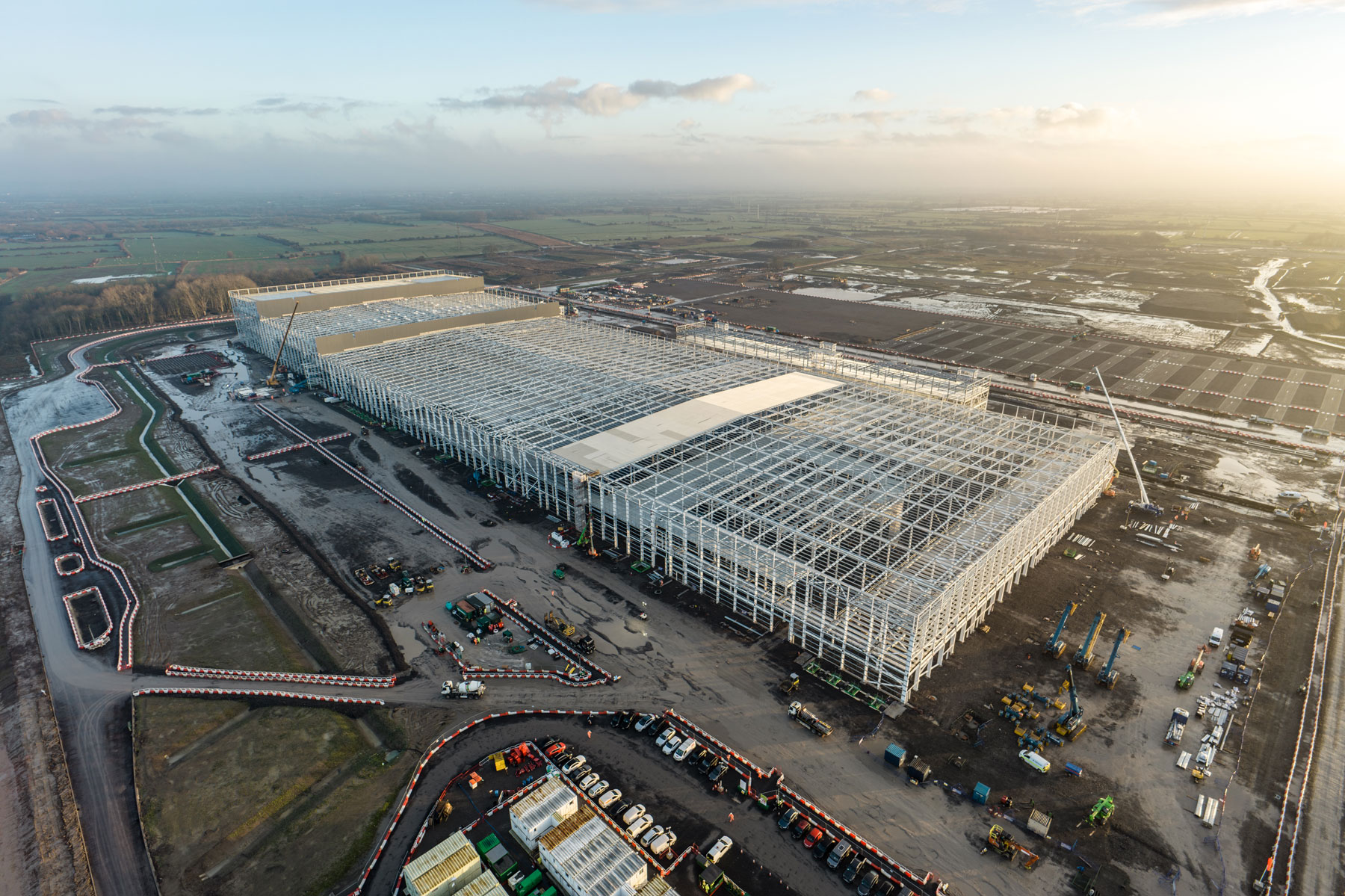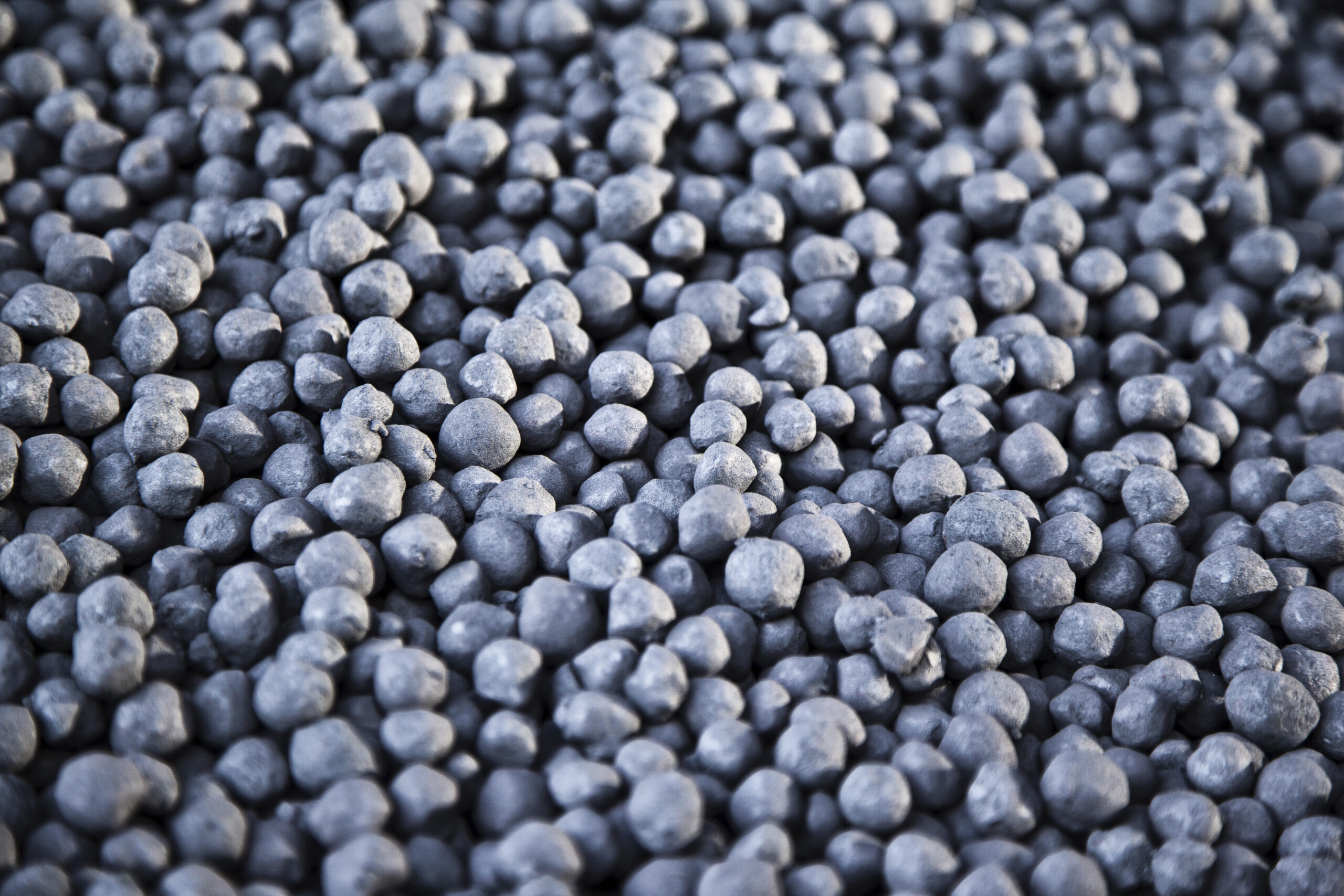
LKAB and Swedish steel developer Stegra have signed a memorandum of understanding to advance technical testing, commercial negotiations and rail transport planning for the potential supply of direct reduction quality iron ore pellets to Stegra’s integrated steelworks in Boden.
The agreement extends an earlier collaboration involving planned test deliveries and provides a framework for progressing towards a possible long-term supply contract. It does not establish a binding commercial commitment for a specified volume of iron ore pellets.
The companies will undertake a structured programme of testing to assess how LKAB’s material performs against the requirements of Stegra’s planned ironmaking process. Their work will also examine how pellets could be moved by rail between LKAB’s operations and the new industrial facility.
Stegra is developing a steel production complex designed around hydrogen-based direct reduction technology. The approach requires suitable iron ore feedstock, access to the reducing gas and reliable operation of the associated processing equipment.
LKAB produces iron ore products used by steel manufacturers and is working to support production routes intended to reduce the dependence of ironmaking on coal. Direct reduction pellets represent a specialised product category within that wider industrial transition.
Iron ore pellets are made by processing iron-bearing material into relatively uniform particles and hardening them to produce a feedstock suitable for transportation and subsequent industrial use. Their physical and chemical characteristics influence how they behave inside an ironmaking process.
Direct reduction differs from conventional blast furnace ironmaking because oxygen is removed from the iron ore without first converting the material into molten iron through the same coke-based process. Reducing gases pass through or around the ore, converting iron oxides into metallic iron.
Hydrogen can perform that reducing function by reacting with oxygen in the ore to produce water. The progress of the reaction depends on temperature, gas composition and the ability of the reducing gas to reach the material being processed.
Pellet properties influence those conditions. Size distribution and porosity affect the movement of gases through a bed of material, while mechanical strength helps determine whether pellets retain their intended form during transport, handling and reduction.
If material breaks down excessively, the resulting fine particles can influence gas flow and handling behaviour. Pellet quality therefore involves more than the total percentage of iron contained within the product.
Chemical composition is another requirement. Mineral constituents that do not become part of the metallic iron must be managed in later processing stages, where they may contribute to slag formation or introduce additional treatment requirements.
The appropriate feedstock specification depends on the equipment and operating conditions used by the customer. A pellet designed for one ironmaking route cannot automatically be assumed to perform in the same way in a different process configuration.
Stegra’s testing programme is intended to establish whether LKAB’s direct reduction quality pellets can meet the relevant requirements. The companies have not disclosed a final specification, trial volume or performance result associated with the new memorandum.
Material qualification may involve laboratory analysis alongside larger-scale process testing. Physical characteristics, chemical composition and behaviour under reducing conditions all need to be assessed before a manufacturer can determine whether a feedstock is suitable for continued industrial use.
Testing also provides information that can influence commercial arrangements. If a customer requires a particular material quality or handling specification, the supplier must establish whether that product can be manufactured consistently and delivered in the required quantities.
Stegra’s proposed integrated steelworks will require a continuing supply of feedstock if it is to operate at its planned production rate. Individual trial shipments are consequently a step towards qualification rather than a substitute for the long-term supply arrangements needed by a commercial plant.
Rail transport forms a separate part of the new cooperation. LKAB’s operations and Stegra’s development are located within northern Sweden, where industrial freight movements depend on rail infrastructure serving mines, ports and other major facilities.
The companies intend to undertake detailed planning for rail deliveries between the existing iron ore operations and Boden. That work will need to consider the transport arrangements required to move material from production and storage into the receiving facilities at the steelworks.
Large-volume rail logistics involves coordination of loading facilities, rolling stock, train paths, unloading equipment and material storage. Availability of a suitable railway connection does not alone establish that sufficient freight capacity exists for a new industrial customer’s requirements.
Scheduling is particularly important where the receiving plant is intended to operate continuously. Deliveries must be coordinated with the rate at which feedstock is consumed, while storage arrangements must provide suitable capacity for normal operating variation and potential transport interruptions.
Excessive reliance on small or irregular shipments can create operational risk, but carrying large inventories also requires space, equipment and working capital. A commercial supply plan must therefore balance transport frequency, available storage and production demand.
The previous collaboration between the companies included consideration of test deliveries following railway work during 2026. The new memorandum provides a more formal basis for developing those plans alongside the technical and commercial discussions.
Neither company has confirmed that a full trial programme has been completed or that the final rail capacity required for commercial deliveries has been secured. Those milestones remain to be established as the project develops.
The geographical relationship between the companies provides an opportunity to connect Swedish iron ore production with a new domestic steelmaking operation. Realising that opportunity depends on material suitability, commercial agreement and logistics arrangements operating together.
Stegra’s construction and commissioning timetable will also influence the timing of any potential pellet supplies. Feedstock qualification can proceed during development, but sustained deliveries depend on the receiving plant being ready to process material and on a contract defining the supply requirements.
LKAB is simultaneously developing its own product and industrial infrastructure strategy in response to demand for iron ore products suitable for alternative steelmaking routes. The new cooperation is one prospective customer relationship within that broader programme.
The next work under the memorandum will concern testing, detailed rail planning and commercial negotiations. A definitive supply agreement would need to establish the products, volumes, delivery arrangements and terms before the proposed long-term relationship can be treated as secured.