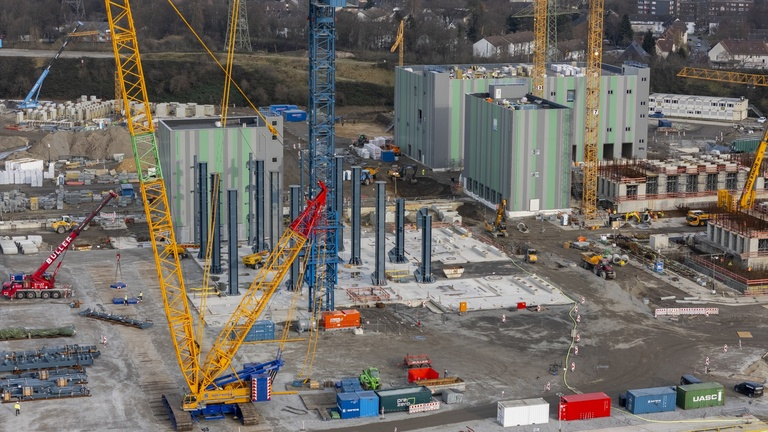
The East Coast Cluster has passed £2.25 billion in supply chain contracts awarded to UK businesses, with more than 350 agreements supporting the construction and future operation of carbon capture, transport and storage infrastructure on Teesside.
The latest total covers procurement by delivery partners working on NZT Power and the Northern Endurance Partnership, two connected developments combining gas-fired electricity generation with carbon dioxide transport and offshore geological storage.
The contracts extend across engineering, manufacturing, fabrication, construction, equipment supply and technical services. Delivery partners say the projects are on course to create and support more than 3,000 jobs, although that total includes employment expected during future stages of construction and operation.
The new procurement milestone represents a further increase from March 2026, when the cluster reported more than £1.5 billion in UK supply contracts across over 230 individual awards. Construction activity has continued since then, creating additional demand for industrial equipment, specialist contractors and operational support.
NZT Power is developing a gas-fired power station incorporating carbon capture technology. The facility is intended to capture up to two million tonnes of carbon dioxide annually once operational, subject to the performance of the completed plant.
Northern Endurance Partnership is developing the associated transport and storage infrastructure. Its network is designed eventually to handle up to ten million tonnes of carbon dioxide each year from connected industrial facilities, including captured emissions associated with the power project.
These capacities represent different parts of the system. NZT Power’s capture figure concerns emissions collected at the generating facility, while the Northern Endurance Partnership’s larger transport and storage capacity is intended to accommodate carbon dioxide from additional industrial sources over time.
Moving captured carbon dioxide requires process equipment capable of handling the gas under controlled conditions. Following capture and conditioning, carbon dioxide must be prepared for transportation through suitable pipelines and associated infrastructure before being injected into a geological storage formation.
Pressure, temperature, gas composition and the presence of impurities influence the engineering requirements of that system. Pipeline materials, compressors, valves and measuring equipment must be specified for the conditions they will encounter, including changes during start-up, shutdown and normal operation.
Carbon dioxide transport also creates requirements for monitoring and maintaining the integrity of equipment over an extended service life. The properties of the transported material and the conditions within the system affect material selection, inspection arrangements and the methods used to identify possible operating problems.
The complexity of the infrastructure is reflected in its procurement programme. Major project contractors require manufactured components and specialist engineering services, while the companies supplying them may engage additional businesses for machining, fabrication, testing and other work.
One example is the pipe manufacturing capability at Hartlepool. Corinth Pipeworks UK, working with Marubeni-Itochu Tubulars Europe and Eisenbau Krämer, has contributed to the supply of approximately 105 kilometres of linepipe for the cluster’s onshore and offshore infrastructure.
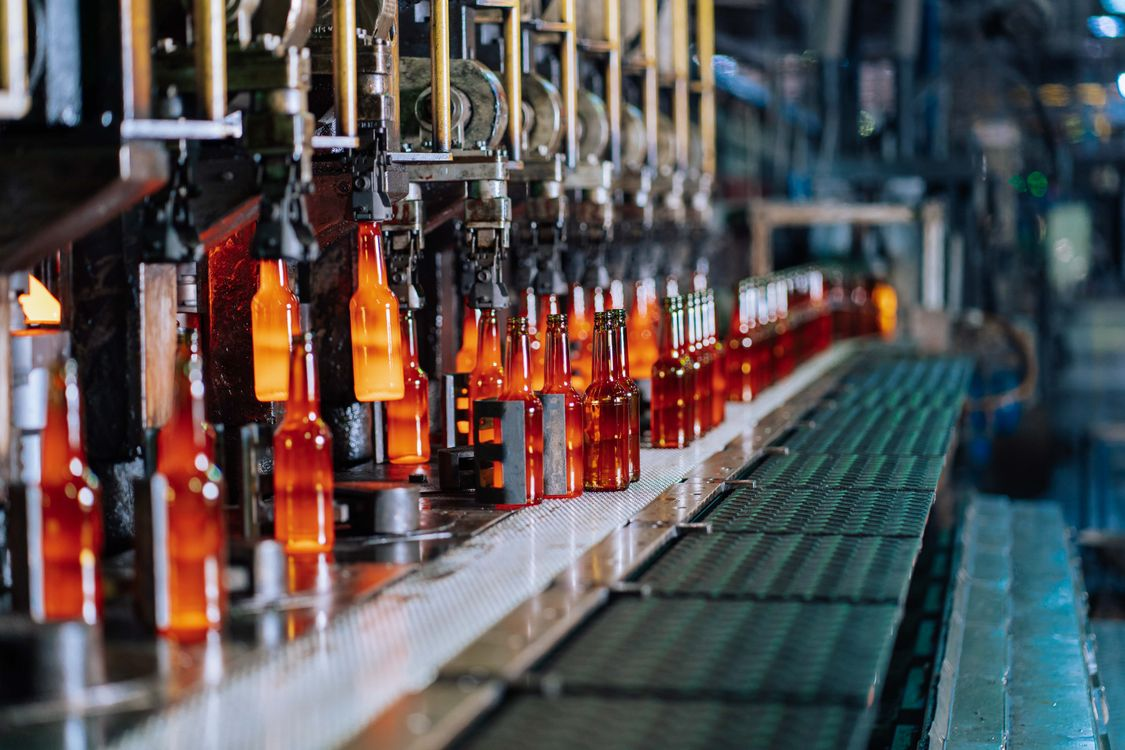
Large-diameter linepipe manufacturing involves the conversion of steel into cylindrical products meeting defined dimensional and mechanical requirements. The manufacturing route may include forming, welding, inspection and testing before the finished sections are prepared for transport and installation.
Pipeline quality is particularly important where the installed equipment will be difficult to access after construction. Welding quality, material properties and dimensional consistency influence the subsequent installation process and the ability of the completed pipeline to operate under its specified conditions.
The Hartlepool work has supported skilled employment and apprenticeship opportunities, while creating further demand among regional suppliers. The facility’s involvement also illustrates how capabilities developed for established energy industries can be applied to new carbon dioxide transport infrastructure.
Procurement is extending beyond construction equipment into operational services. Teesside-based pX Group has secured a contract covering the operation and maintenance of two critical facilities associated with NZT Power and Northern Endurance Partnership.
The company plans to recruit an on-site team of approximately 100 people from the local area, supporting the transition through commissioning and into sustained operations. The agreement has also enabled support for five apprentices, contributing to the technical workforce required by the facilities.
Commissioning and long-term operation require different combinations of engineering activity. During commissioning, equipment and control systems must be tested against their intended functions, while operational teams establish procedures for inspection, maintenance and response to abnormal conditions.
Once facilities are operating, maintenance work must account for process availability, safety and the condition of critical equipment. Reliable operations depend on managing those requirements alongside the performance of the connected carbon capture and transport systems.
Construction subcontractors are also reporting employment associated with the programme. Thirsk-based Potter Plant Hire, which began working on NZT Power alongside Balfour Beatty in June 2025, has created 74 jobs since its appointment.
That includes the recruitment of 70 plant operators living an average of 13 miles from the project site. Potter has also provided additional training for 25 existing employees and helped two younger workers secure permanent positions.
These figures describe activity reported by individual suppliers rather than the total number of people employed across the cluster. They nonetheless provide examples of how construction spending is translating into equipment operations, recruitment and skills development within the regional industrial economy.
More than half of the projects’ supply chain content has been delivered by UK businesses, according to the cluster’s delivery partners. The procurement programme combines regional suppliers with companies elsewhere in Britain, drawing on capabilities that include heavy engineering, steel manufacturing, electrical equipment and specialist construction.
Contract awards should be distinguished from expenditure already completed. Large engineering agreements may cover equipment manufactured over several years, construction work delivered against project milestones or services provided after the facilities begin operating.
Payments and employment associated with those contracts can therefore be spread across different phases of the programme. The £2.25 billion figure represents the value of awarded UK supply agreements, not a confirmed total of cash already paid to contractors.
Large industrial developments also depend on the coordination of interrelated work packages. Civil engineering, fabrication, equipment delivery, mechanical installation and commissioning must follow a sequence that allows the connected facilities to be assembled and tested.
Delays to one component can affect another even where the contractors involved have met their own immediate manufacturing obligations. Equipment may be ready for delivery before its installation area becomes available, while testing of a completed subsystem can depend on utilities or control systems supplied through a different contract.
Northern Endurance Partnership reported that its network was more than 45% delivered at the time of the November milestone. The figure indicates progress in construction and development, although it does not mean that the complete transport and storage system is ready for commercial operation.
Further installation, testing and commissioning will be required before captured carbon dioxide can move through the completed infrastructure. The power station and transport network must ultimately operate as connected assets, with defined interfaces for gas handling, measurement, process control and operational responsibility.
The cluster’s wider purpose is to establish infrastructure that can serve industrial facilities seeking access to carbon capture and storage. Future connections will depend on individual projects, commercial agreements and the availability of suitable transport and storage capacity.
The current procurement total establishes the scale of work already committed to UK suppliers. As construction moves towards commissioning and operation, further activity will centre on completing equipment installation, testing the integrated system and building the maintenance and operational capability required for sustained service.