Gulbrandsen has completed the acquisition of the glass coating business of Netherlands-based IMACA B.V., expanding its industrial chemicals operation into the equipment used to apply protective coatings during glass container production.
The transaction adds IMACA’s coating application hoods, dosing systems, equipment maintenance and technical services to Gulbrandsen’s existing glass coating activities. The combined business will be able to supply coating materials alongside the equipment required to apply them, with technical support extending through installation and operation.
IMACA’s established brand will continue to be used for glass coating equipment, spare parts and associated services. The company’s existing team will remain in place, while customers have been directed to continue using their normal contacts and ordering arrangements unless advised otherwise.
Financial terms have not been disclosed. The transaction concerns IMACA’s glass coating business rather than a confirmed acquisition of every commercial activity undertaken by the Dutch company. Gulbrandsen has not identified the number of employees included in the transfer or announced a change to the operation’s manufacturing capacity.
IMACA is based in Middelburg and specialises in equipment used by glass container manufacturers. Its products include hot-end coating hoods and dosing equipment, together with machinery and services associated with cold-end coating processes.
Gulbrandsen manufactures specialty chemicals and has an established business supplying hot-end coating materials for glass containers. The acquisition adds equipment design and service capabilities to that chemical supply activity, creating a more direct connection between the coating formulation and the machinery controlling its application.
Glass containers move through a series of forming, cooling, treatment and handling operations. After molten glass has been shaped into bottles or jars, protective coatings can be applied to reduce damage associated with contact between containers or with production and distribution equipment.
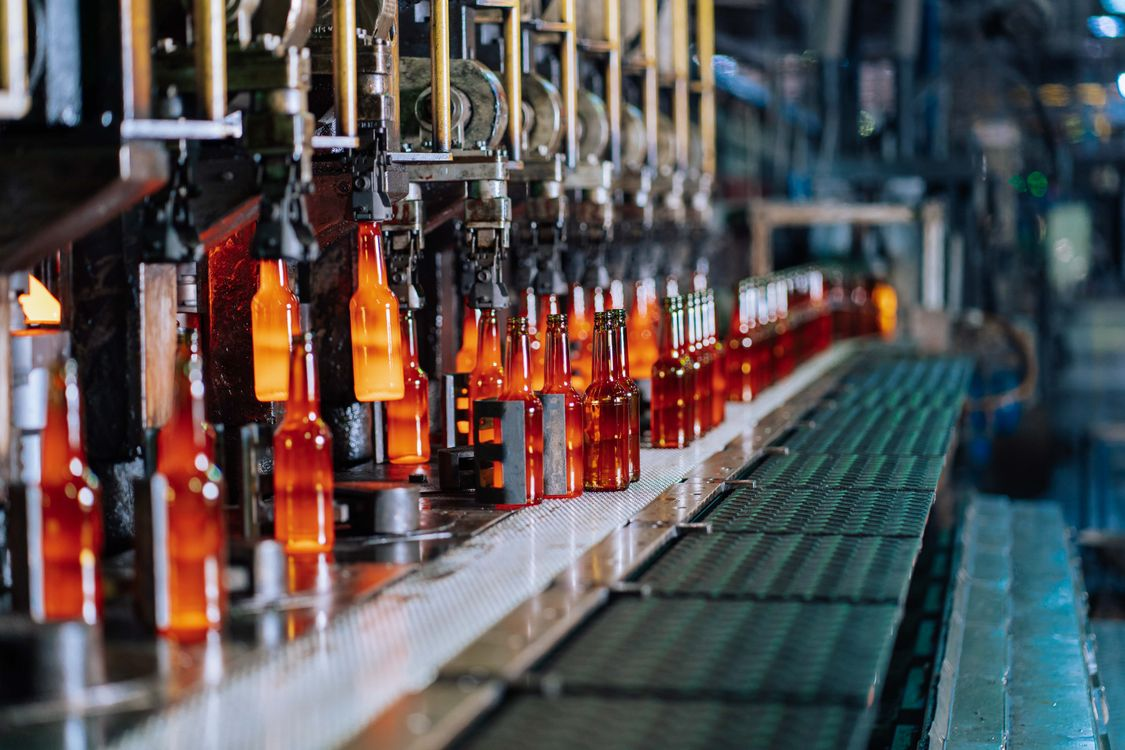
Hot-end coating takes place while the container remains at an elevated temperature following forming. The treatment creates a thin protective surface layer, with its properties depending on the coating chemistry, the condition of the glass and the application process.
The treatment must be sufficiently consistent across containers moving through a production line. Variation in the amount or distribution of coating can affect the resulting surface characteristics, while excessive or poorly controlled application can create additional material consumption and maintenance requirements.
Application hoods provide the controlled area in which the coating process takes place. Dosing equipment regulates the delivery of coating material, making the performance of the machinery an important factor alongside the chemical product itself.
Equipment geometry, the position of containers and the operating conditions around the treatment area influence how the material reaches the glass. Line speed and changes in container dimensions can also affect the time and conditions available for coating.
Glass plants therefore need application equipment suited to their production arrangements. A machine designed for one configuration may require modification or replacement when container designs, production speeds or coating requirements change.
Hot-end treatment is commonly followed by a separate cold-end coating process after the glass has cooled. Cold-end coatings can improve surface slip, helping containers move past each other and through conveying equipment with reduced friction and damage.
The two coating stages perform related but distinct functions. Their effectiveness depends on the compatibility of the treatments and the conditions under which the containers are handled after manufacture.
IMACA’s equipment portfolio spans both parts of the process, although the principal commercial combination identified by Gulbrandsen concerns its hot-end coating chemistry and IMACA’s associated application machinery.
The manufacturer’s G-Coat H110 product forms part of the combined hot-end offering. Gulbrandsen intends to supply that chemistry alongside application equipment and technical services, allowing customers to coordinate material and machinery support through one business.
Coating performance can be influenced by several operating variables. If a finished container does not show the required surface characteristics, the cause may involve material delivery, application conditions, equipment adjustment, contamination or another aspect of the process.
Identifying the cause requires examination of the coating system rather than assuming that the formulation itself is responsible. Dosing behaviour, equipment condition and the relevant production parameters may need to be assessed before changes are made.
The acquisition provides Gulbrandsen with in-house equipment and service expertise relevant to those investigations. It could simplify coordination between chemical supply and machinery support, although the company has not published measured reductions in material consumption, downtime or coating defects attributable to the transaction.
Maintenance is particularly important because glass production lines operate continuously and can expose treatment equipment to demanding temperatures and operating conditions. Application hoods, dosing equipment and associated components require inspection and servicing to maintain appropriate performance.
Spare parts availability affects how quickly faulty or worn equipment can be returned to service. An unexpected interruption to a coating system may require adjustments to production arrangements, depending on the plant’s operating requirements and the availability of replacement components.
Equipment audits and scheduled maintenance can help identify deterioration before it produces an operational problem. Their effectiveness depends on the inspection methods used, the condition of the equipment and the extent to which recommended maintenance is carried out.
Gulbrandsen’s new service offering is intended to cover equipment selection, installation, operating support and maintenance alongside the continuing supply of coating materials. That creates a broader commercial relationship with glass manufacturers than supplying the coating chemical alone.
The combination may also be useful when an existing glass plant changes its production arrangements. Selecting new application equipment and the associated coating formulation together can provide an opportunity to assess how the equipment will operate under the intended line conditions.
Such projects still require the machinery and chemicals to be qualified against the customer’s own process requirements. Glass composition, production speed, container geometry and the specified surface performance can vary between manufacturing installations.
The companies have not announced a programme of factory expansion, new equipment investment or additional employment associated with the acquisition. The immediately confirmed change is ownership of IMACA’s glass coating operations and their integration with Gulbrandsen’s existing technical and commercial capabilities.
Customer-facing arrangements will continue under the IMACA equipment brand while the businesses integrate. Further information about the combined product portfolio and service organisation will establish how the acquisition changes the support available to individual glass manufacturing sites.