
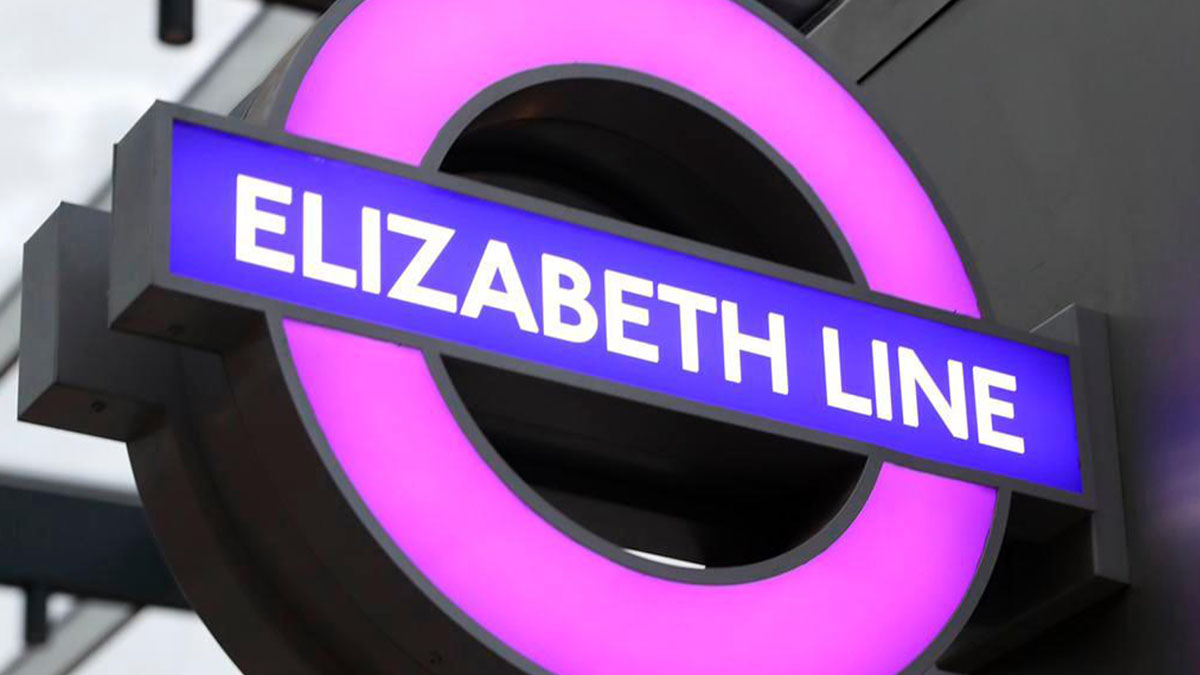
Transport for London has awarded Voestalpine Rail Technology GmbH a contract to manufacture and supply 500 sections of rail for the Elizabeth line. The £856,308 award, including VAT, was recorded on 26 October 2026 following an unsuccessful competitive invitation to quote. The specified product is flat-bottom 60E2-profile R350LHT rail to EN 13674-1:2017, in individual lengths of 18,288mm. The contract covers rail supply, not a separately confirmed track installation programme.
The published contract term runs from 1 November 2026 to 31 March 2027. Those dates set a period for supplying the ordered material; they do not identify when sections will be installed or which Elizabeth line locations will receive them. The award record names no track installation contractor or closure programme. TfL’s immediate industrial commitment is the procurement of rail manufactured to a defined standard and supplied in a specified quantity.
The manufacturer, based in Austria, was selected through a direct award after TfL’s competitive request for quotations did not produce a successful outcome. The notice does not establish why the original process failed, which alternative suppliers took part or whether another manufacturer could have met the specification. Procurement status and technical specification are known; the detail of the earlier evaluation is not. The award should therefore not be described as the result of a newly completed open competition.
Flat-bottom rail is a structural component of railway track, transmitting wheel loads through its head and web into the base and supporting system. The cross-section and material requirements are controlled because replacement components must work with existing track geometry, fastening equipment, wheel contact conditions and the railway’s maintenance standards. A nominally similar rail section is not automatically interchangeable if its profile, grade, straightness, length or product certification differs.
The 60E2 designation defines the rail profile, while R350LHT identifies a specified rail grade and treatment. The applicable EN 13674-1:2017 standard governs properties and tolerances for flat-bottom railway rails. Manufacturing must control section geometry and material characteristics through production and inspection; pieces that merely appear similar would not necessarily satisfy the order. TfL has not released the individual test certificates or the detailed acceptance plan alongside the brief contract award.
At the specified individual length of 18.288m, 500 sections represent 9,144m of supplied rail measured end-to-end before allowing for cutting, welding or other site requirements. That arithmetic does not mean the contract covers 9.144km of completed double-track railway. Actual installed route length depends on which rails are replaced, whether lengths are paired across tracks, and the cutting or jointing arrangements used during works. The notice provides quantities of material, not final route coverage.
Rail lengths of more than 18m have to be handled without avoidable distortion or damage to the running surface. Their movement from production to storage, transport and site delivery requires suitable lifting and support arrangements. The order specifies the finished product, but the public record does not allocate those logistical tasks to named subcontractors or describe the final delivery route. Manufacture and transport remain connected stages in delivering track components fit for acceptance.
The contract value includes VAT, which should be taken into account when comparing it with other public procurement figures quoted excluding tax. Nor should the volume of steel be equated with a particular track renewal scheme. The notice does not say whether the material is for scheduled maintenance, replacement of worn rail or another defined project, and it gives no basis for claiming changes to train frequency or journey times. Those operating decisions would require separate evidence.
Rail supply also sits within a traceable industrial quality chain. A buyer needs confidence that the manufactured sections correspond to the specified grade and can be identified when delivered, even if the publicly available award summary does not enumerate individual test results. Metallurgical treatment and manufacturing control can influence hardness, wear and resistance to damage in service, while handling damage can affect acceptance before the rail reaches the track. The procurement notice specifies the product requirements but does not announce improvements in journey times, train frequency or operational performance; none can yet be inferred from the material order.
TfL has secured a supplier for 500 specified rail sections over a five-month contract period. Their total nominal length is 9,144m, before cutting, welding or installation, and cannot be translated directly into route kilometres. The remaining milestones are manufacture, delivery and acceptance of the ordered material, followed by any track work that TfL separately confirms. The publicly specified grade, geometry and standard establish the scope of the award.


