The Department for Environment, Food and Rural Affairs has launched a UK-wide consultation on phasing out carbon dioxide stunning of pigs, potentially requiring substantial changes to abattoir equipment and operating procedures. The 26 October proposals respond to welfare concerns about exposing conscious animals to high concentrations of the gas. No ban has yet been enacted, and processors have not been given a mandatory date to replace their existing systems.
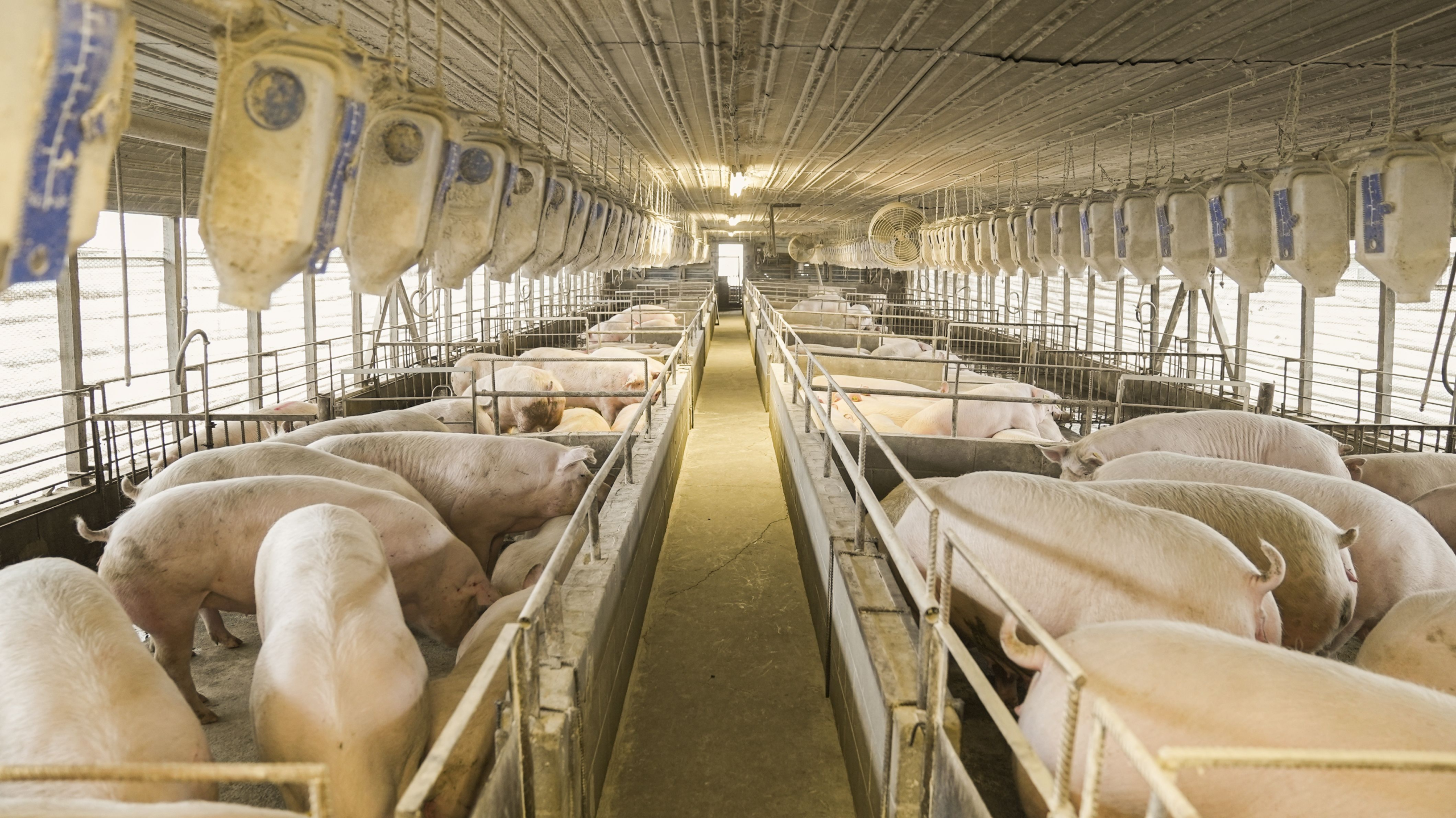
Many pig processing plants use gas chambers that expose groups of animals to a controlled atmosphere before slaughter. Government advisers have identified pain, fear and respiratory distress caused by high-concentration carbon dioxide before unconsciousness. Ministers are considering whether to remove carbon dioxide from approved stunning methods and how long processors would need to install alternatives. The consultation seeks evidence on the welfare consequences, practical feasibility, cost and length of any transition, rather than imposing an immediate operational change.
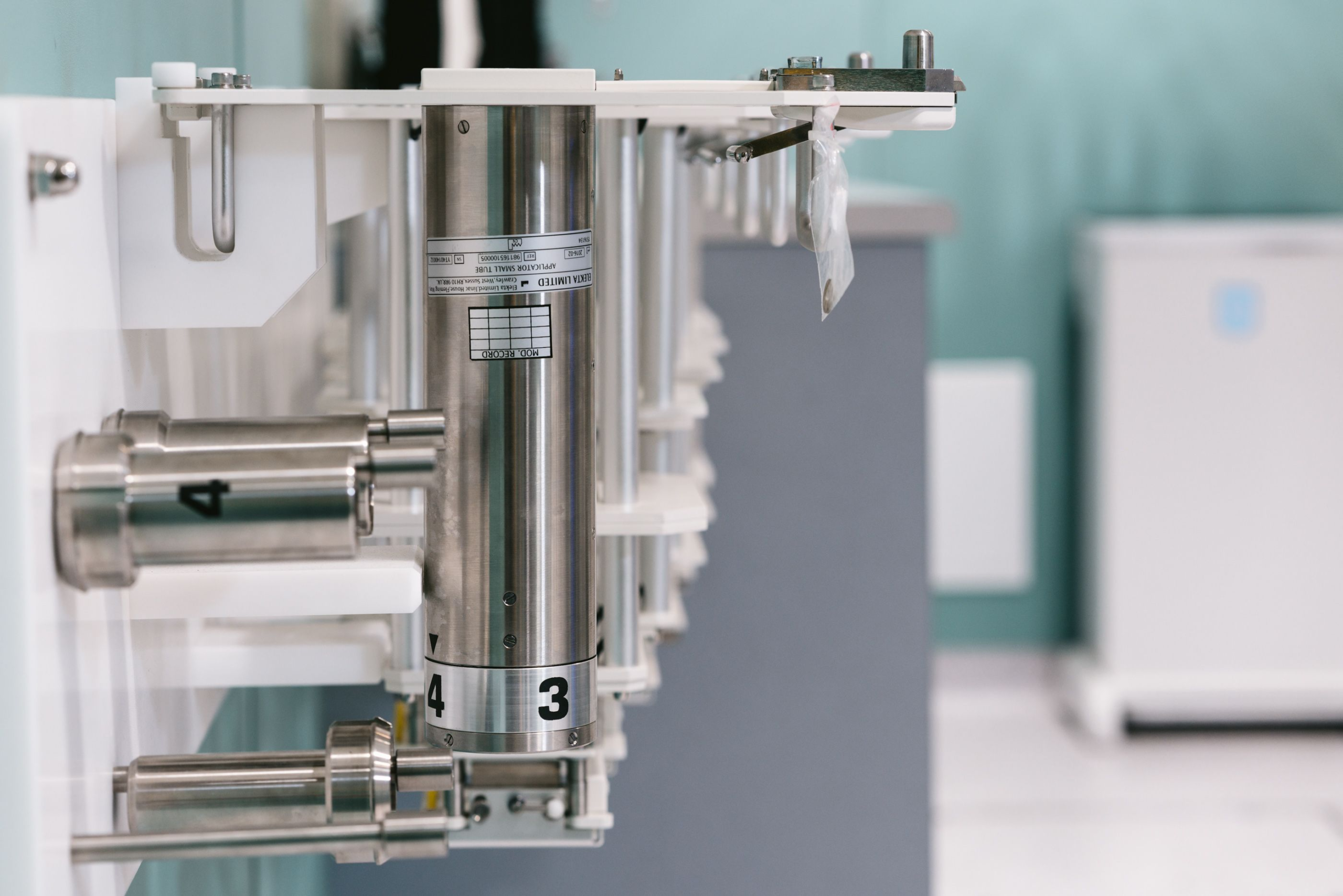
Argon-based gas methods and automated electrical stunning are among the alternatives identified by ministers. They would require different plant arrangements. Gas stunning depends on the composition of the atmosphere, duration of exposure, animal movement through chambers and ventilation arrangements. Electrical systems require effective contact between electrodes and the animal, together with controlled current and duration. A substitution would involve equipment, handling arrangements and validation of welfare outcomes, not simply a change of gas supplier.
Existing official guidance already specifies equipment controls for both approaches. Gas stunners require monitoring of concentration and exposure time, visible and audible alarms, and arrangements for access and emergency flushing. Electrical systems must display parameters including voltage, current and duration, while warning when the required electrical conditions are not delivered. Head-only electrical stunning is a simple stun and must be followed promptly by a killing method before recovery of consciousness.
A plant conversion would have to reconcile animal movement with the capacity of whichever stunning system is selected. Chamber configuration, restraint, ventilation, power supplies, maintenance access and space available in the processing hall can all limit the options. Electrical stunning may require a different handling sequence and closer control of individual presentation, while a replacement gas system could retain more of the existing group-handling pattern. Neither route can be assumed to maintain every plant’s current throughput without engineering assessment.
Since April 2024, Defra has been consulting informally with pig processors, equipment suppliers, gas companies and welfare organisations about potential replacements. Plants differ in age, line layout and opportunities to install machinery while operations continue. A processor with limited space or a heavily integrated production line may face a longer shutdown or more extensive civil and electrical work than a newer facility. Those variations will affect the transition arrangements ministers eventually choose.
Another element of the proposals concerns resilience of industrial gas supplies. Carbon dioxide has uses across food and beverage manufacturing and its availability can be affected by energy markets and industrial production arrangements elsewhere in the supply chain. Ministers cited concerns over possible shortages linked to Middle East conflict during 2026. Moving away from carbon dioxide could reduce reliance on that specific feedstock, although alternative gas systems would introduce their own sourcing, storage and handling requirements.
The Animal Welfare Committee advised in 2025 that high-concentration carbon dioxide, including mixtures containing it, should no longer be approved for stunning pigs. Its recommendation informs the consultation but is not itself a change to operating law. The process also involves the devolved administrations, so the consultation concerns the UK rather than only English slaughterhouses. Existing stunning requirements remain in force while responses are considered and ministers determine whether and how to proceed.
Automated electrical equipment introduces further process questions around repeatable electrode placement and the handling of differently sized animals. Poor contact can reduce the current through the intended tissue even if a control unit is energised, which is why operating guidance specifies monitoring and alarms rather than relying on a nominal electrical setting alone. A line conversion would have to reconcile that control requirement with animal movement and the steps immediately following stunning. The consultation does not provide a standard conversion price or identify one universal system suitable for every pig processing operation.
Responses close on 21 December 2026. The choices that follow will determine whether businesses need new gas infrastructure, electrical stunning lines or changes to their handling systems, and how much time is allowed for the work. Processors and machinery suppliers can use the consultation to document equipment capacity, welfare performance, retrofit costs and the operational interruptions associated with each available option.