HydroWing, part of Inyanga Marine Energy Group, has contracted Anglesey-based Ecodetect to supply AI-assisted wildlife monitoring for its planned 30MW tidal stream project at Morlais in North Wales. The proposed system combines underwater cameras, sonar and automated classification to record marine life around generating equipment. Its immediate function is environmental observation and evidence gathering; the monitoring contract does not mean that tidal devices or sensors have already been deployed across the full project.
Ecodetect designs surface-mounted and seabed-mounted sensor installations that combine optical observations with acoustic returns. Underwater cameras can provide visual details needed to distinguish a marine animal from drifting material, but their effective range changes with light, sediment and turbidity. Sonar can detect objects where optical visibility deteriorates, although interpreting an acoustic return still involves uncertainty. The combination provides different kinds of evidence rather than guaranteeing that every object can be identified under every sea condition.
The classification system is intended to recognise seals, dolphins, fish and diving seabirds while differentiating them from seaweed, algae and other debris. Ecodetect plans to relay results through a marine communications network so operators can apply environmental mitigation procedures when warranted. Neither an independently measured detection accuracy nor a reduction in wildlife incidents has been reported for the forthcoming Morlais deployment. Those outcomes will have to be established through operation and validation at the site.
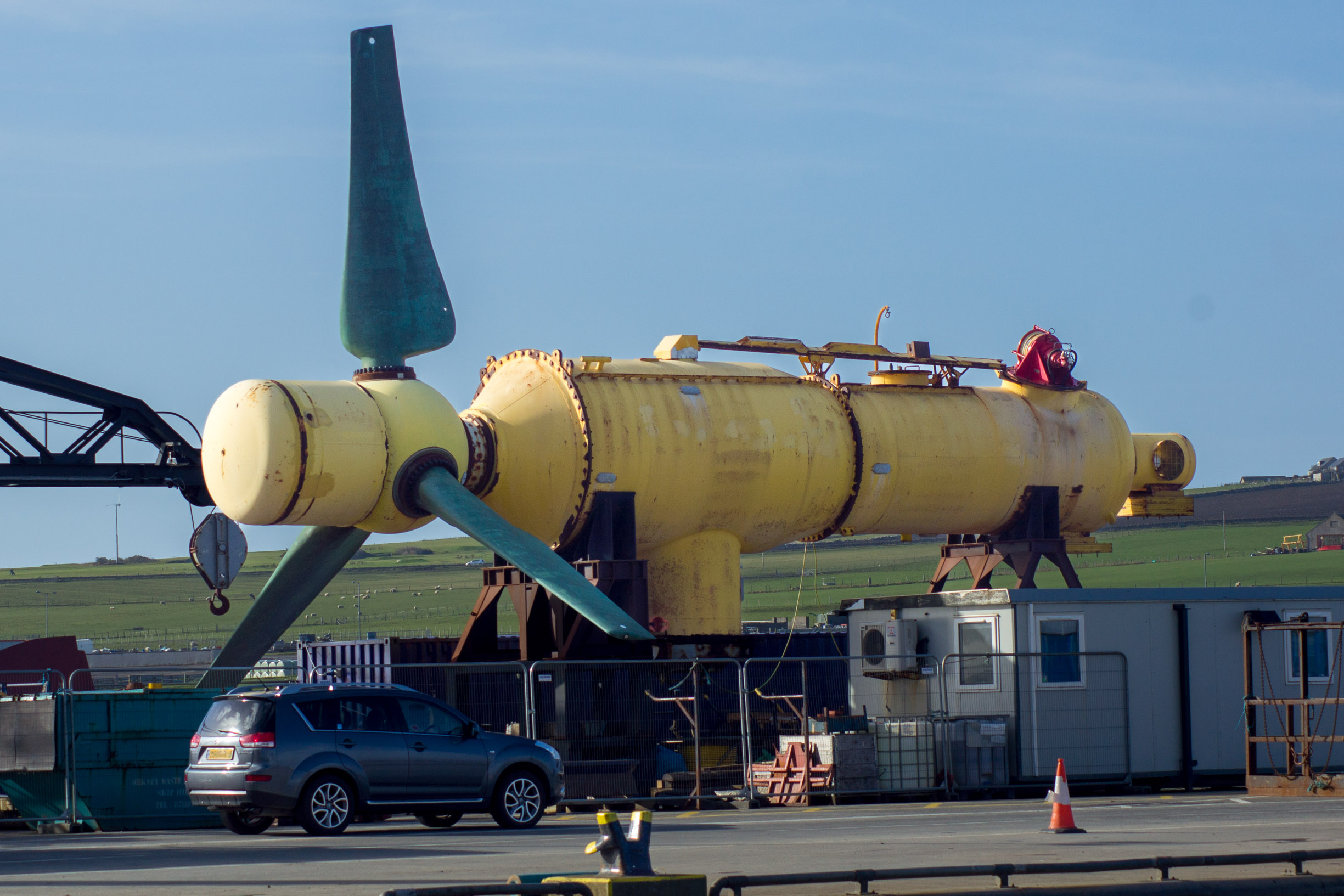
Inyanga’s project uses its patented HydroWing tidal technology at Morlais, a consented tidal stream site operated through Menter Môn Morlais. The broader scheme is situated off Anglesey, where tidal flow offers a predictable input for marine energy conversion but creates challenging conditions for foundations, submerged equipment, communication links and routine access. Monitoring equipment must be positioned to observe relevant activity without becoming an additional obstruction or an unreliable source of data.
The current delivery plan envisages a first HydroWing device at Morlais in 2027. Completion of the wider project is planned for 2030, when 18 devices rated at approximately 1.67MW each would give a nominal capacity close to 30MW. Those figures describe planned generating assets; they are not evidence that the capacity is currently installed or delivering electricity. Grid connection, installation windows and operational commissioning remain separate steps in converting the project into an operating array.
Reliable monitoring will depend on coverage as well as classification quality. A sonar detection can indicate movement and approximate location without proving species, whereas an optical image may help distinguish an animal when visibility allows. Comparing signals can improve assessment, but the system still needs an evidence base for false alarms and missed detections. A sensor network that performs well in calm, clear water may behave differently during stronger tidal currents or after suspended sediment has increased.
An automatic identification also has to be linked to an operational decision. Detection of an animal is not equivalent to a harmful interaction, and the system’s intended environmental protocols will need to define thresholds and response actions appropriate to the site’s permissions. A useful record includes when and where a detection occurred, sensor conditions, the type of classification, the operating state of nearby equipment and any subsequent response. Those records provide a basis for reviewing performance and adjusting monitoring practice.
Tidal devices are installed in locations chosen for usable water movement, which can make the same areas difficult to survey consistently from vessels. Continuously deployed sensors could therefore support longer observation periods than occasional manual inspection, provided power, network links and hardware maintenance are dependable. Subsea equipment must also cope with corrosion, marine growth, mechanical loading and restrictions on physical servicing. None of these operating constraints disappears merely because recognition software is automated.
Sensor condition also needs to be recorded alongside animal detections. A missing camera image or interrupted sonar feed should not be interpreted as evidence that no wildlife passed nearby. Time, location, operating status and environmental conditions allow a later reviewer to distinguish valid observations from gaps in coverage. The reported system supports real-time classification and transmission, but HydroWing and Ecodetect have not published a site-specific detection threshold, independent validation result or retention schedule for the resulting records.
The first HydroWing device is scheduled for deployment in 2027, with the planned 18-device programme extending towards 2030. Ecodetect will need to commission its sensors alongside that infrastructure and demonstrate dependable performance in the conditions encountered around the turbines. The contract establishes the supplier and intended monitoring approach; the first installed device will provide a practical setting to test how detection results inform environmental decisions during operation.