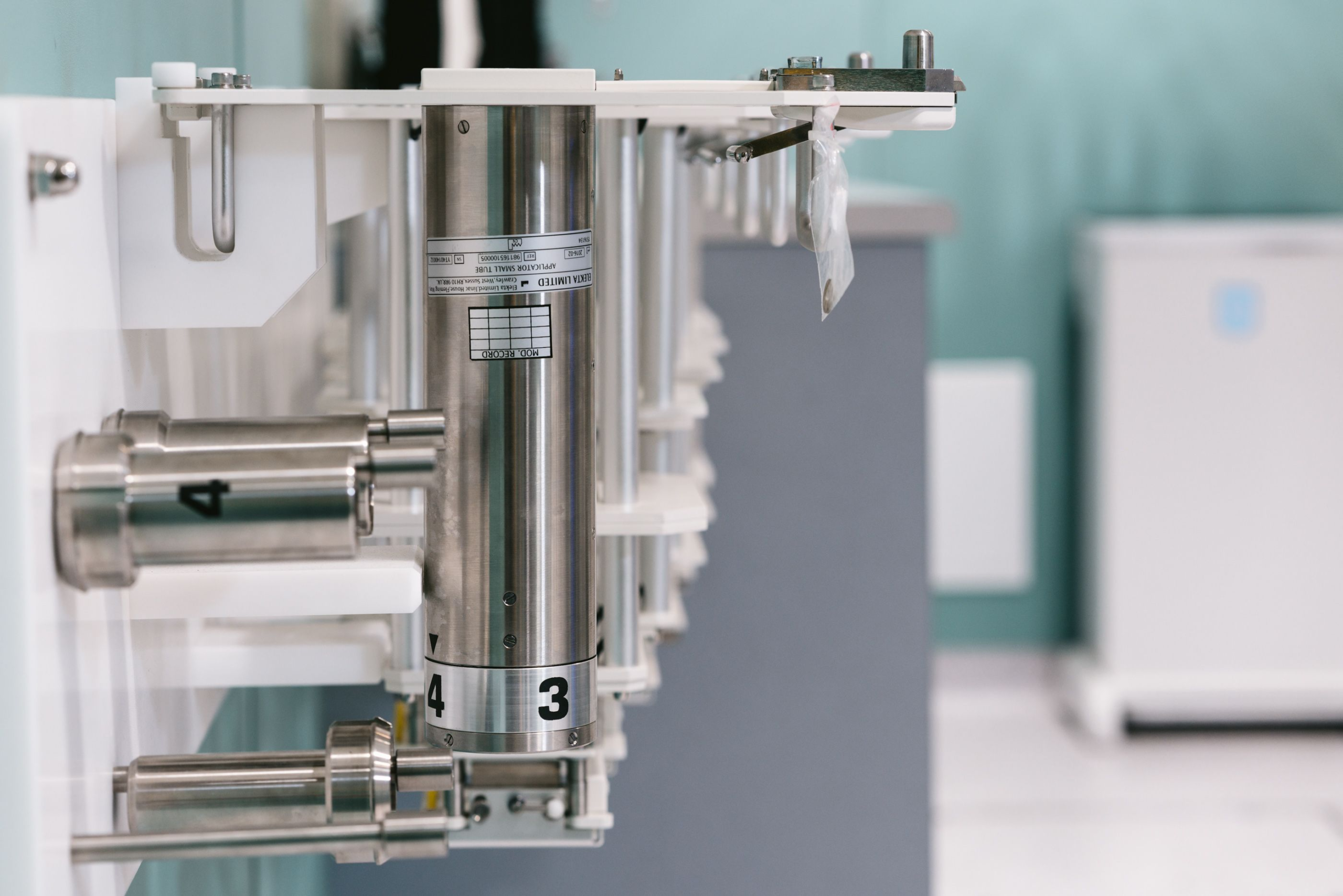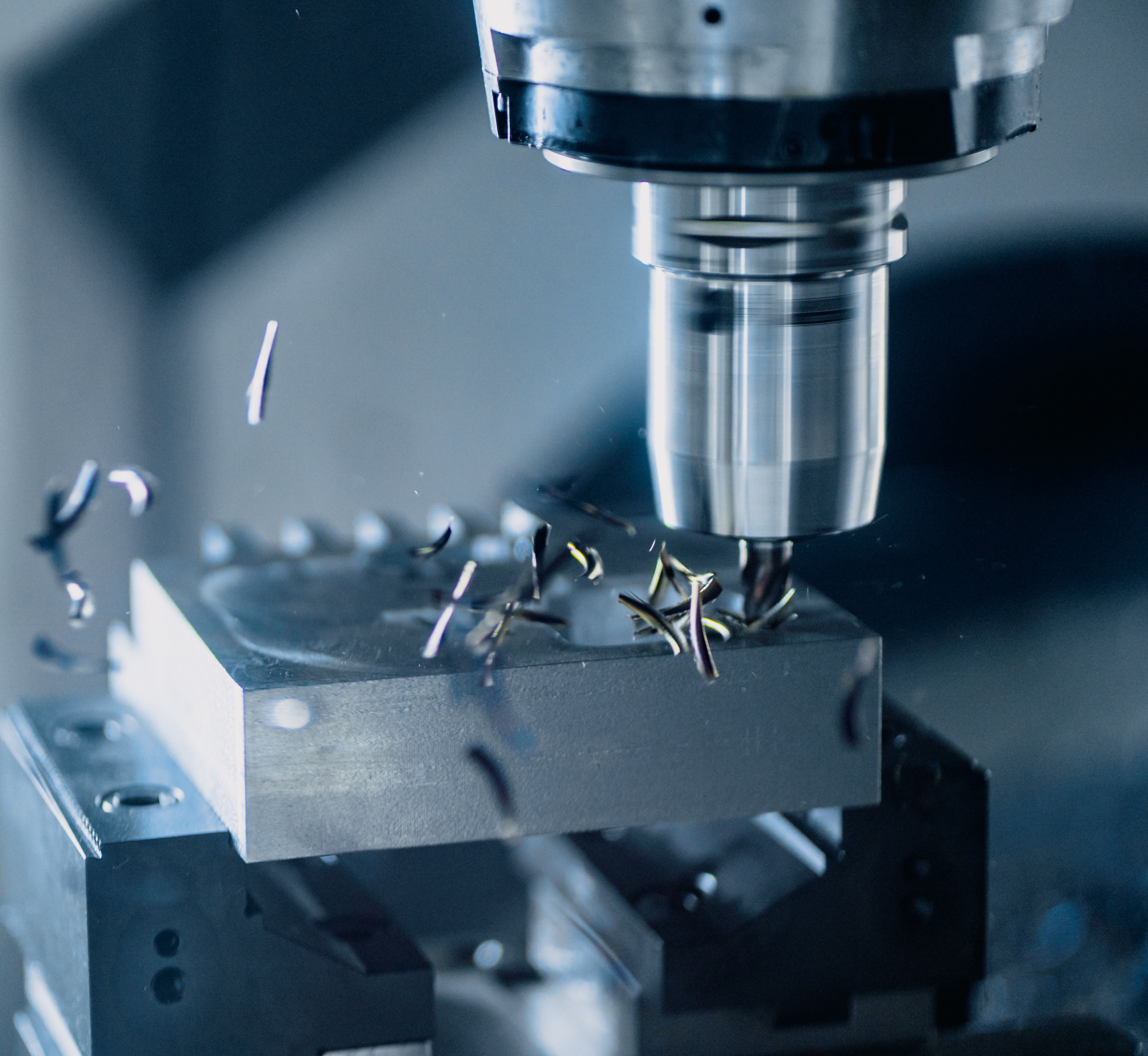
The Leicestershire precision engineering company TEK4 began trading on London’s AIM market on 26 October 2026 while expanding the manufacturing space used to assemble specialist turbine drilling machines. Its equipment produces accurately positioned cooling passages in aerospace and industrial gas turbine components. As engine operating temperatures increase, turbine manufacturers need repeatable ways to machine those passages into heat-resistant alloys without altering the surrounding component geometry beyond specified tolerances.
The company placed 12.375 million shares at 200p each, generating £24.75m of gross placing proceeds. Selling shareholders receive £22.75m, while TEK4 receives £2m. The majority of the transaction is therefore a secondary share sale rather than new funding for factory construction. With 21 million ordinary shares in issue, the placing price implied a £42m market capitalisation on admission. The flotation gives existing shareholders a market for their holdings and creates an additional route for the company to access capital.
TEK4 is self-funding a 12,000 sq ft factory addition, equivalent to a proposed 75% increase in its available factory space. Larger premises should provide more room for machine build, testing and customer acceptance work, although extra floor area cannot be equated directly with a 75% increase in deliveries. Completion schedules will continue to depend on component lead times, assembly labour, specialist controls, calibration and the availability of customers to witness acceptance trials. TEK4 has not provided a completion date for the expansion.
TEK4 specialises in electrical discharge machining, laser drilling, laser ablation and shaped tube electrolytic machining. These processes offer different routes to producing small, accurately positioned features in hard, heat-resistant components. Electrical discharge machining removes electrically conductive material through controlled sparks across a gap; the workpiece and electrode do not need to be subjected to the same cutting forces as conventional mechanical drilling. Process performance nevertheless depends on electrode control, electrical settings, flushing and hole geometry.
Laser drilling concentrates energy at the surface to remove material and produce fine openings, with beam motion and pulse characteristics influencing hole profile and the thermal effects around an opening. Shaped tube electrolytic machining removes metal electrochemically at an electrode interface rather than through a rotating cutting edge. Selection between techniques depends on component alloy, wall thickness, access, hole aspect ratio and the quality of the finished passage. TEK4 integrates mechanical design, control electronics, software and application development into its equipment.
Turbine blades and vanes use deliberately positioned cooling holes to route cooler air across surfaces exposed to hot combustion gases. The precise relationship between drilling geometry and cooling effectiveness is part of the component design: small changes in diameter, angle or exit condition can affect airflow and local metal temperatures. Drilling is therefore a production and quality-control task, with machines required to repeat difficult geometries across large numbers of high-value components without compromising structural integrity.
The engineering constraints become more demanding as engine designers pursue improved thermodynamic performance. Higher operating temperatures can help efficiency, but impose additional thermal loads on rotating and stationary parts. Cooling circuits consume compressor air and must be balanced against overall engine efficiency; more cooling is not automatically better. Component makers consequently need reliable processes for implementing the approved cooling pattern, including inspection of finished passages and management of variation during production.
In its 2026 financial year, TEK4 recorded revenue of £16.2m and an operating margin of 27.7%. It reported net assets of £5.2m and no financial debt. Those figures describe the business before admission and should not be read as a forecast of returns from the additional factory. An April 2026 acquisition of Innolas brought further laser technology capability into the group. TEK4 also intends to pursue medical device and semiconductor work, applying its precision machining experience to production challenges beyond turbine components.
Manufacture of a specialist drilling machine involves more than matching a nominal drilling rate. Customers will test whether it can hold hole position, angle and profile through extended production runs, accommodate component variation and produce records that support inspection. A machine validated on a sample part may still require new fixtures, tool paths or process parameters before it can enter another application. TEK4’s combination of mechanical design, control electronics, software and application engineering provides a basis for that adaptation, subject to customer qualification of each installation.
The factory project increases the space available for these build and acceptance activities at a time when turbine component specifications are becoming more demanding. TEK4 has not quantified the additional number of machines it will complete annually or set an operational date for the expanded facility. Production growth will depend on bringing the space into use, securing specialised engineering capacity and maintaining the quality and traceability required by aerospace and industrial turbine customers.