Subsea Micropiles is investing more than £5 million in a manufacturing facility at the Port of Montrose, giving the offshore engineering company a Scottish production base for anchor and foundation components used in deepwater wind projects.
The expansion is expected to create around 80 jobs and is being supported by £1.45 million from Scottish Enterprise. It follows a £6.7 million commercial investment through the Scottish National Investment Bank, which had already backed the company’s plan to establish local manufacturing capability as offshore wind projects move towards larger-scale deployment.
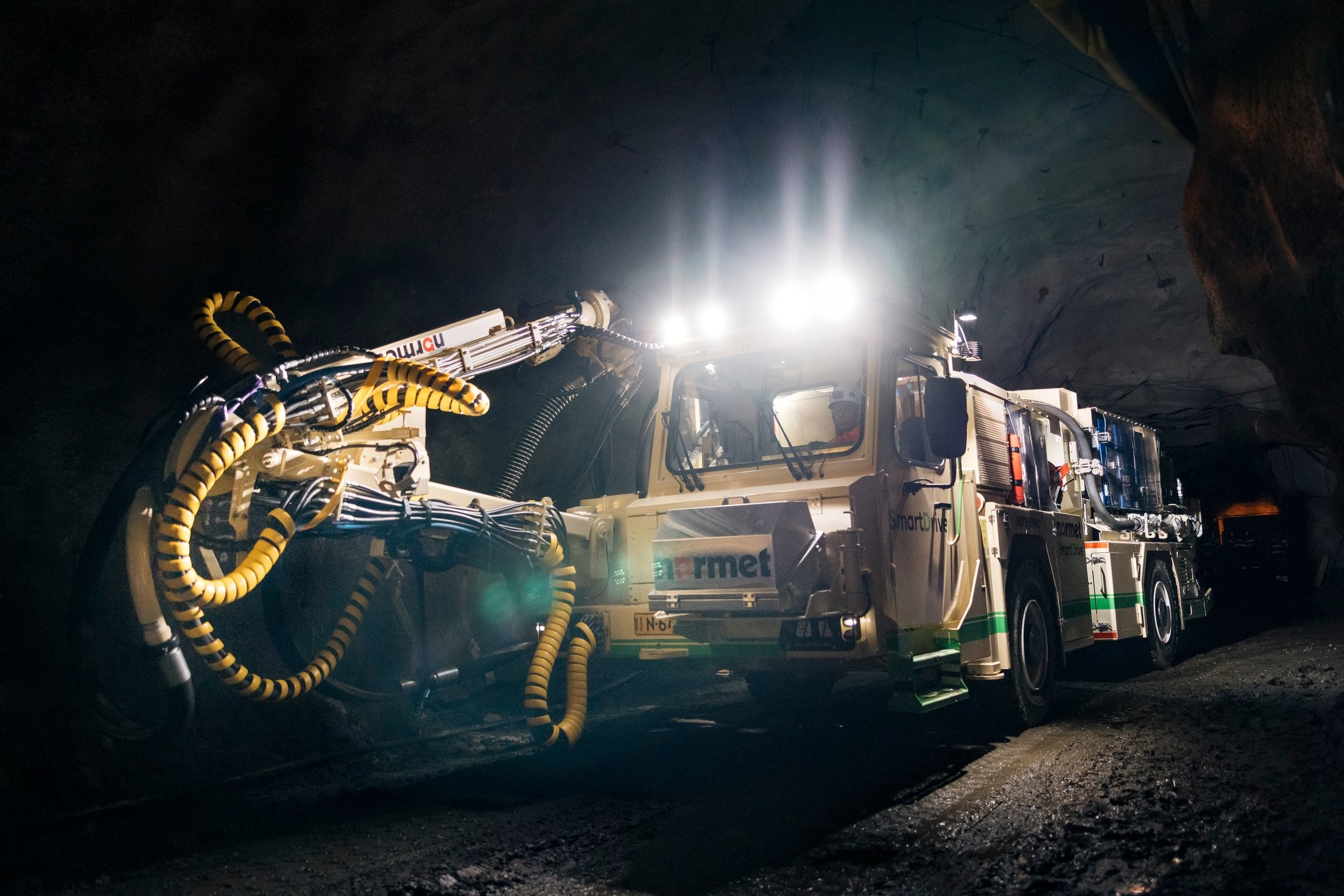
Subsea Micropiles adapts micropiling techniques used in terrestrial construction for offshore anchors and foundations. Its systems use groups of smaller piles installed into the seabed, supported by remote drilling equipment, seabed characterisation, and installation methods intended to reduce dependence on the largest specialist construction vessels. The Montrose facility moves that engineering work further towards physical production.
Components manufactured at the port are intended for projects in Scottish waters as well as international markets. The company already maintains operations at Montrose and an engineering presence in Westhill, Aberdeenshire, placing manufacturing close to a concentration of subsea skills developed through decades of North Sea activity.
The latest project follows an earlier investment round in which the Scottish National Investment Bank and other investors backed expansion of the business and its plan to establish anchor manufacturing in Scotland. At that stage the production location had not been confirmed. Montrose now gives the programme a defined site, capital commitment, employment target, and route into manufacturing.
Production scale is central to offshore wind foundations because component numbers rise quickly once projects move from demonstration arrays into commercial developments containing dozens of turbines. Each turbine transfers substantial loads into its anchoring or foundation system, while variations in seabed geology can influence design, installation methods, vessel selection, and programme cost.
A system intended for repeated deployment therefore has to address manufacturability alongside the geotechnical problem. Components have to be fabricated and inspected consistently, drilling and installation equipment must be available at the required rate, and engineering changes for different seabed conditions cannot be allowed to undermine production efficiency.
Subsea Micropiles has described high-volume production at Montrose as a longer-term opportunity as its project pipeline develops. The model also creates work beyond component fabrication, including engineering, drilling equipment, vessel services, offshore installation, surveying, and other specialised activities required to take an anchor or foundation from manufacture to the seabed.
The wider Port of Montrose is accumulating offshore wind activity. SSE Renewables has selected the port as its preferred location for an operations and maintenance base for the proposed Berwick Bank B offshore wind farm, an associated development expected to create around 100 further jobs. Montrose already supports activity connected with Seagreen and Inch Cape, giving the port a mixture of operations, maintenance, logistics, and proposed manufacturing functions.
Berwick Bank has a potential capacity of 4.1GW across all three proposed phases if fully developed. The Scottish Government estimates that output at that scale could generate electricity equivalent to the annual needs of more than six million UK homes. The final build-out remains dependent on project decisions and delivery, but the proposed scale illustrates the volume of equipment that domestic suppliers are positioning themselves to serve.
Scotland has committed up to £500 million of public investment to offshore wind ports and supply chain capacity, with the aim of converting a large project pipeline into more domestic manufacturing and engineering activity. The Montrose development is smaller than a turbine factory or cable plant, but it addresses a specialised component category where installation technology and seabed conditions can materially affect project cost.
Manufacturing at the port could also shorten the distance between fabrication, storage, load-out, and offshore installation. That does not remove vessel or logistics costs, but locating production beside established marine infrastructure can simplify handling of large components and reduce additional road movements. The benefit will depend on the final dimensions of the systems, project sequencing, and how much assembly is completed before equipment leaves the quay.
The factory’s next milestones will be fit-out, equipment installation, recruitment, and qualification of the manufacturing process. From there, commercial orders will determine how quickly Montrose moves from an announced production base into sustained output for Scottish and export projects.