Staedtler has begun construction of a manufacturing facility in Bydgoszcz, Poland, where it plans to establish production of pencils and coloured pencils alongside a global centre of competence for the company’s manufacturing technology.
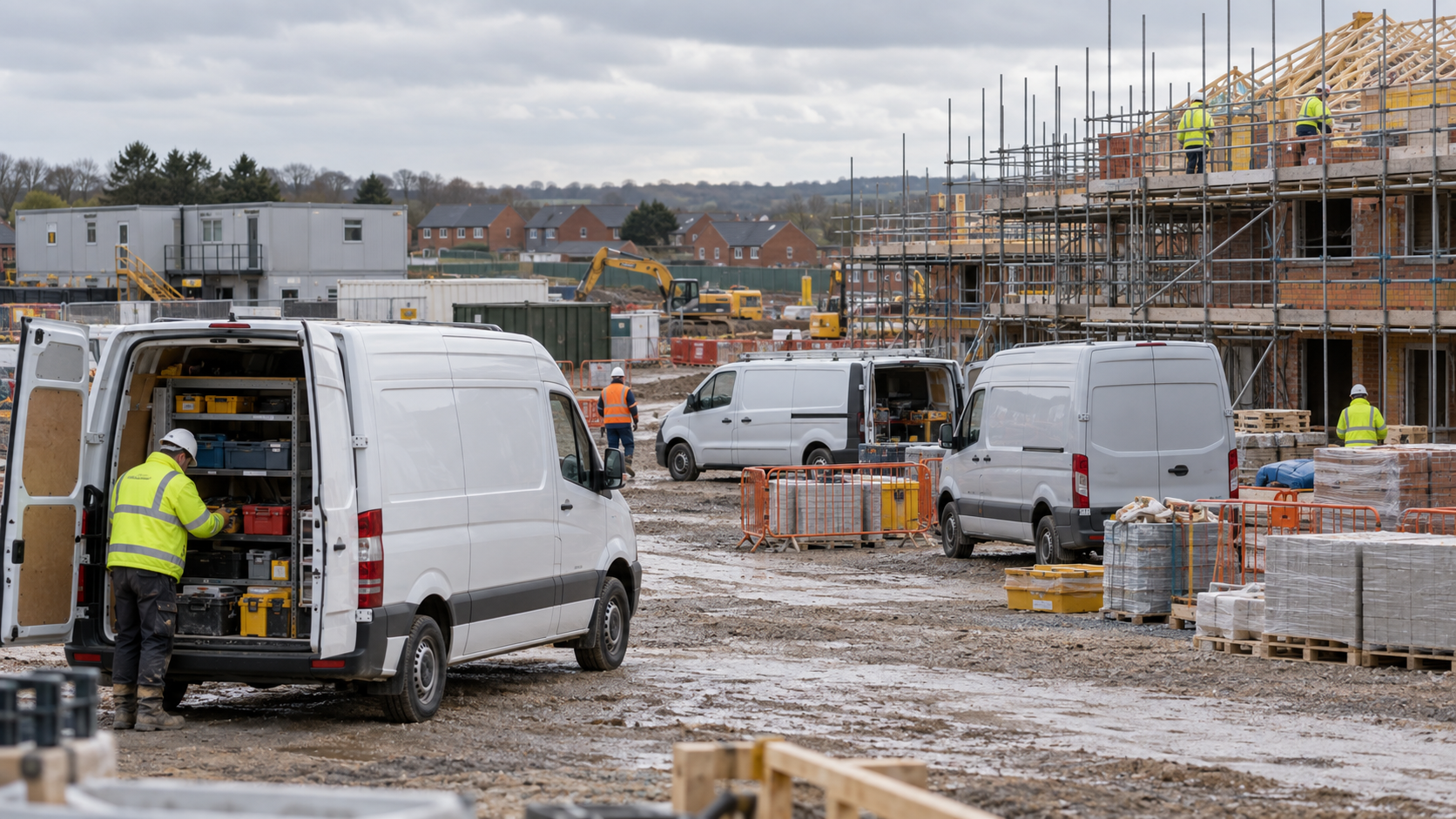
The development, being delivered by Panattoni BTS with Dekpol Budownictwo as general contractor, covers more than 21,000 square metres in Bydgoszcz Industrial and Technological Park. Construction is scheduled for completion in May 2027.
A groundbreaking ceremony on 17 November marked the formal commencement of the project. Staedtler intends to introduce manufacturing in phases, with the first operations planned for 2027 and approximately 120 jobs expected to be created by 2029.
The investment decision was originally disclosed in July, when local authorities identified a project value exceeding PLN 100 million. The November development is the start of construction, rather than a new decision to invest that amount.
Staedtler’s new production facility will occupy a site of approximately five hectares. Panattoni has specified almost 19,600 square metres of production and warehouse space and more than 1,500 square metres of offices within the planned building.
The manufacturing operation will initially focus on pencil leads and products from Staedtler’s Made from Upcycled Wood range. Traditional wood-cased pencil production is scheduled to follow in 2028.
Separating these activities into phases will allow different production processes to be introduced according to their equipment and commissioning requirements. The completion of the building in May 2027 does not mean that every planned manufacturing line will enter operation immediately.
The Made from Upcycled Wood range uses material recovered from wood processing. Shavings generated during sawing and planing operations are processed into granulate that forms the basis of the pencil body.
This differs from conventional wood-cased pencil manufacture, in which wooden components are shaped and assembled around a writing core. The granulate route provides an alternative means of preparing the material used to form the finished product.
Processing wood residues into a usable manufacturing material requires control of incoming material characteristics and the subsequent forming process. The size and consistency of the prepared material, together with the conditions used during manufacturing, influence the repeatability of the finished components.
Using recovered wood material may create opportunities to make productive use of residues generated elsewhere in the timber processing industry. The resulting material must nevertheless satisfy the manufacturing and product requirements established for the writing instruments.
The new factory will also manufacture conventional pencils. These operations have different material handling and processing requirements from products made using granulate, influencing the equipment and production arrangements required at the site.
Staedtler intends to establish a global competence centre alongside the manufacturing operation. The facility will provide a base for specialist production knowledge and manufacturing processes used in pencil and coloured pencil production.
The company has not disclosed a separate staffing allocation for the competence centre or identified every item of equipment to be installed. Its planned role is part of the wider manufacturing development rather than a separately announced research institution.
Panattoni is delivering the building on a build-to-suit basis, allowing its design to be adapted to Staedtler’s specific production requirements. This approach differs from adapting a completed general-purpose industrial property after the machinery layout has been determined.
The developer has identified electrical power supply, compressed air installations and heating, ventilation and air conditioning systems among the services designed around the manufacturing processes. These systems will support equipment operation and the environmental conditions required within different parts of the factory.
Compressed air can be an important factory utility for pneumatic equipment and production machinery. Its pressure, availability and quality must correspond to the requirements of the connected systems, while pipework and equipment access influence installation and maintenance.
Electrical distribution must also be planned around production equipment and associated services. The locations of machinery, handling systems and control panels affect the routing and capacity of the infrastructure needed to operate the facility.
The building’s internal layout will separate production, storage, offices and supporting activities according to the intended manufacturing workflow. Material movement between incoming storage, processing operations and finished product handling can influence the efficiency of the completed factory.
Incorporating these requirements during building design allows the developer and manufacturer to coordinate structural and service installations before equipment commissioning. Changes introduced after construction can require additional work where machinery needs differ from those originally anticipated.
Staedtler chief operating officer Dr Konstantin Czeschka has identified skilled labour, established infrastructure and proximity to European markets as reasons for selecting Bydgoszcz. The location will become part of the company’s international manufacturing network.
The company operates in 23 countries and sells its products in more than 150 markets. The Polish facility is intended to expand production capacity and provide a technical base for subsequent manufacturing development.
The Bydgoszcz authorities granted a construction permit for the production and warehouse development on 30 October 2026. That approval preceded the groundbreaking and provides a separate administrative milestone in the project’s development.
Local authorities expect the factory to create approximately 120 jobs by 2029, with the possibility of future expansion. The employment figure is a target for the planned operation and does not represent positions already filled.
Workforce development will need to accompany the introduction of manufacturing equipment. Production of different pencil types requires operators and technicians familiar with the relevant material preparation, machinery and product quality requirements.
Construction will now progress towards the planned May 2027 completion date, followed by the staged introduction of manufacturing operations. The first phase will concentrate on pencil leads and recovered wood products, with traditional wood-cased pencil production scheduled for 2028.