Spirit Energy has completed a £40 million decommissioning campaign in UK waters, plugging and abandoning three subsea wells and recovering more than 234 tonnes of infrastructure for reuse or recycling in British yards.
The programme ran between April and July in the Southern North Sea and covered the Seven Seas and Grove G5 production wells alongside the Grove Deep exploration well. More than 30 UK supply chain companies were involved, including DeepOcean and Well-Safe.
Spirit combined several offshore activities into one campaign rather than mobilising vessels and specialist teams separately for each well. That allowed construction support, remotely operated vehicle work, reservoir abandonment, logistics, and onshore support to be coordinated across a programme that ultimately recorded more than 114,000 working hours.
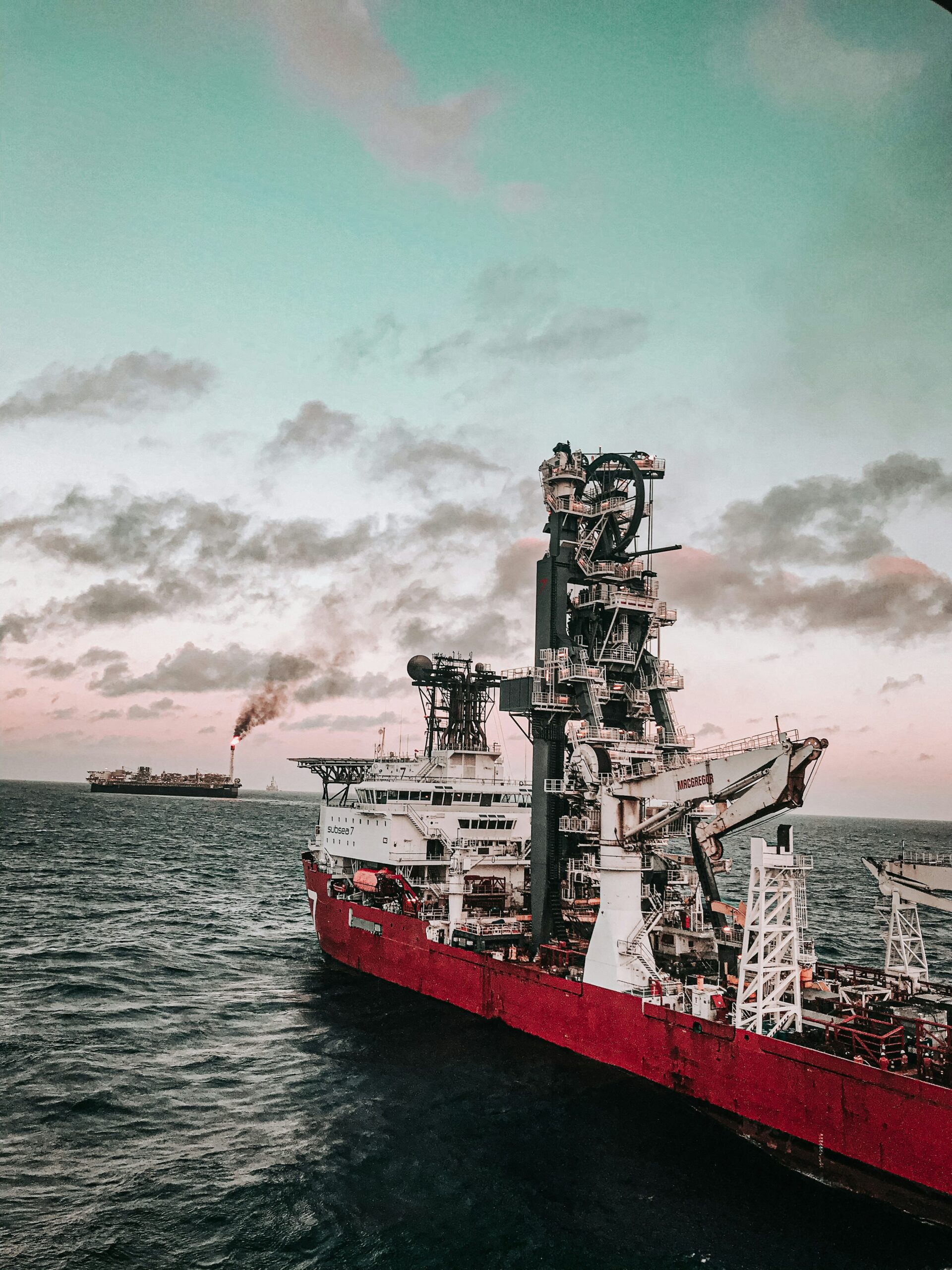
DeepOcean’s Edda Freya construction support vessel carried out enabling work at Seven Seas and Grove G5. Seven Seas lies about 60km off the East Yorkshire coast, where the team removed a 100-tonne wellhead protection structure before the vessel moved to Grove G5, around 131km east of Norfolk.
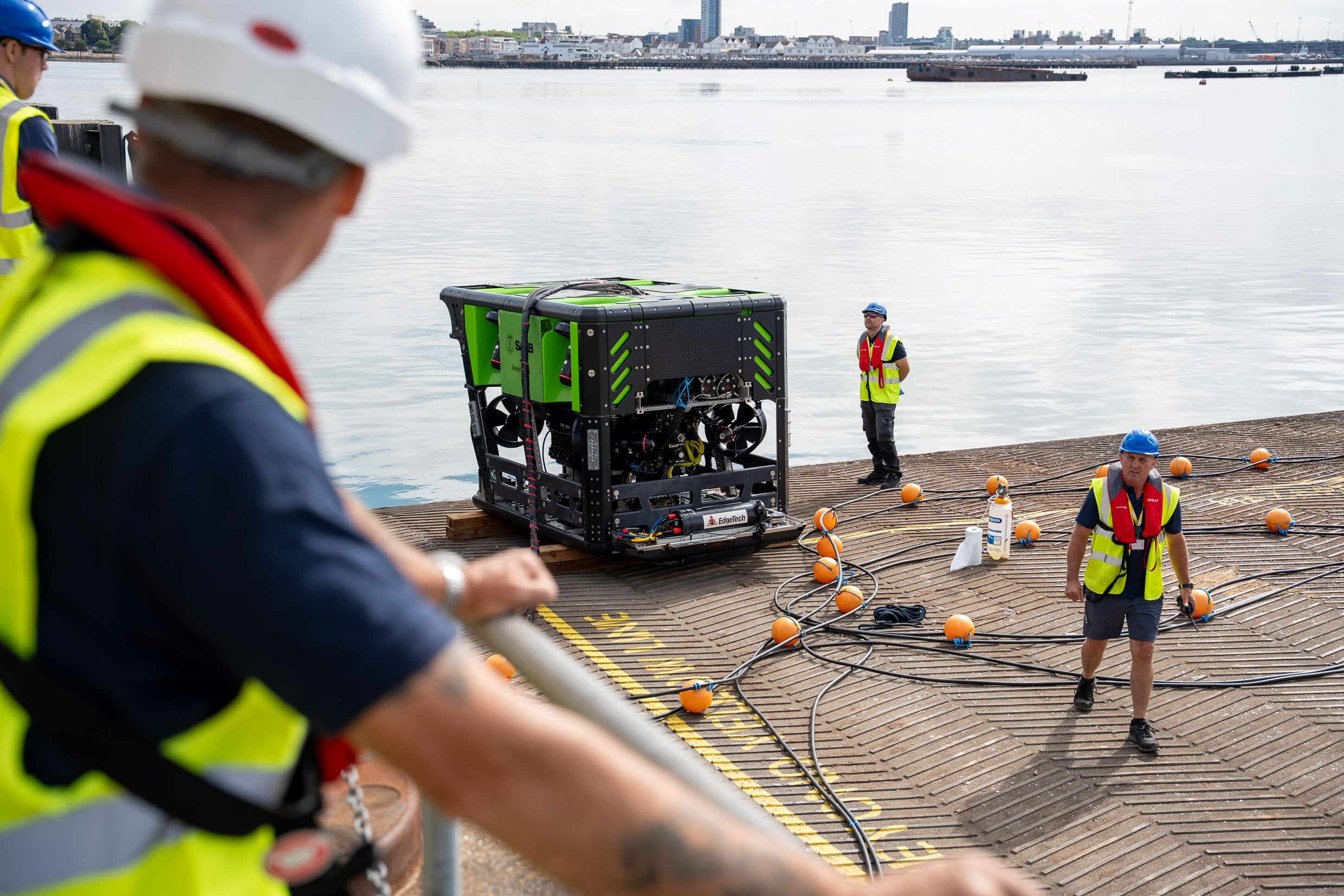
ROVs were used at Grove G5 to disconnect subsea infrastructure and prepare the well for its next decommissioning phase. Well-Safe subsequently deployed the Well-Safe Protector jack-up rig to both Seven Seas and Grove G5 to undertake reservoir abandonment work.
The two production wells had operated across different periods of the basin’s recent history. Grove G5 produced between 2008 and 2019, while Seven Seas entered production in 2012 and ceased in 2024. Spirit says they supplied a combined 56 billion cubic feet of gas during their operating lives.
Plugging and abandoning a subsea well involves considerably more than removing equipment visible on the seabed. Reservoir intervals must be isolated using qualified barriers, well integrity has to be demonstrated, and the remaining structure must be left in a condition that meets regulatory requirements before surrounding subsea equipment can be removed or dealt with separately.
Older infrastructure adds uncertainty because equipment may have spent years exposed to pressure, corrosion, marine growth, and operating loads before decommissioning begins. Ceri Wheaton, Spirit’s decommissioning manager, said some of the largest challenges came from “older infrastructure” and the Southern North Sea’s unpredictable weather.
Weather windows affect lifting, station-keeping, ROV work, rig operations, and the sequence in which tasks can be completed. A delay to one vessel can also affect the next contractor in the programme, particularly where equipment has to be disconnected before a rig or recovery spread can begin its own scope.
Grouping wells can reduce some of that inefficiency. Specialist vessels and jack-up rigs carry substantial mobilisation costs, while crews and equipment may otherwise spend time travelling between short assignments. A combined campaign can spread those costs across several scopes and allow contractors to plan equipment utilisation over a longer period.
The model is becoming increasingly important as the UK Continental Shelf matures. Operators face a growing volume of wells, pipelines, subsea structures, and platforms that have reached or are approaching the end of production, while the same offshore contractor base is also being asked to support wind, carbon storage, and continuing oil and gas developments.
Spirit says all recovered subsea materials from the campaign are on course to be reused or recycled in UK yards. The onshore work extends decommissioning beyond the offshore vessel campaign into cleaning, dismantling, inspection, materials segregation, and processing.
Reuse requires a different assessment from recycling because components have to be shown to remain suitable for another application. Where that is not practical, separating steel and other materials for recycling can still recover value and reduce the volume sent to disposal.
The programme followed the collaborative principles set out in the North Sea Transition Authority’s Decommissioning Charter, which Spirit and other UK operators have committed to support. The regulator has been pushing companies to share data, coordinate activity, and improve use of vessels and specialist resources as the scale of the remaining liability grows.
Those costs are already substantial. Industry expenditure on UK Continental Shelf decommissioning reached £2.6 billion in 2025, according to the NSTA, while the regulator’s remaining cost estimate stood at £43.4 billion. UK-based organisations secured 71% of decommissioning contract value during 2025, making the programme a sizeable domestic engineering market even as production declines.
For operators, cost reduction cannot come at the expense of well integrity or safe execution. The practical savings are more likely to come from standardised scopes, better campaign planning, shared logistics, and avoiding unnecessary use of the most expensive offshore assets where another method can meet the same technical requirement.
Spirit’s three-well campaign offers one example of that approach: multiple sites, a construction vessel, ROVs, a jack-up rig, and more than 30 domestic suppliers were organised as one programme rather than a sequence of isolated jobs. As the North Sea’s decommissioning workload grows, repeating that coordination reliably will matter rather more than finding increasingly inventive language for describing an industry whose ageing infrastructure still has to be removed one well at a time.