UPS is investing more than $2 billion across its international, healthcare, and supply-chain operations, expanding logistics capacity as manufacturers and other high-value shippers demand greater control over increasingly complicated global movements.
The programme began in 2024 and will continue through 2028. Spending covers new and expanded air and ground hubs, logistics facilities, healthcare infrastructure, automation, and international services across Europe, Asia-Pacific, and the Americas rather than representing a single newly approved capital project.
Major facilities now under development include a new hub at Clark Airport in the Philippines, expected to open during the fourth quarter of 2026. A facility at Barrie in Ontario is due in 2027, while a new air hub at Hong Kong International Airport is scheduled for 2028.
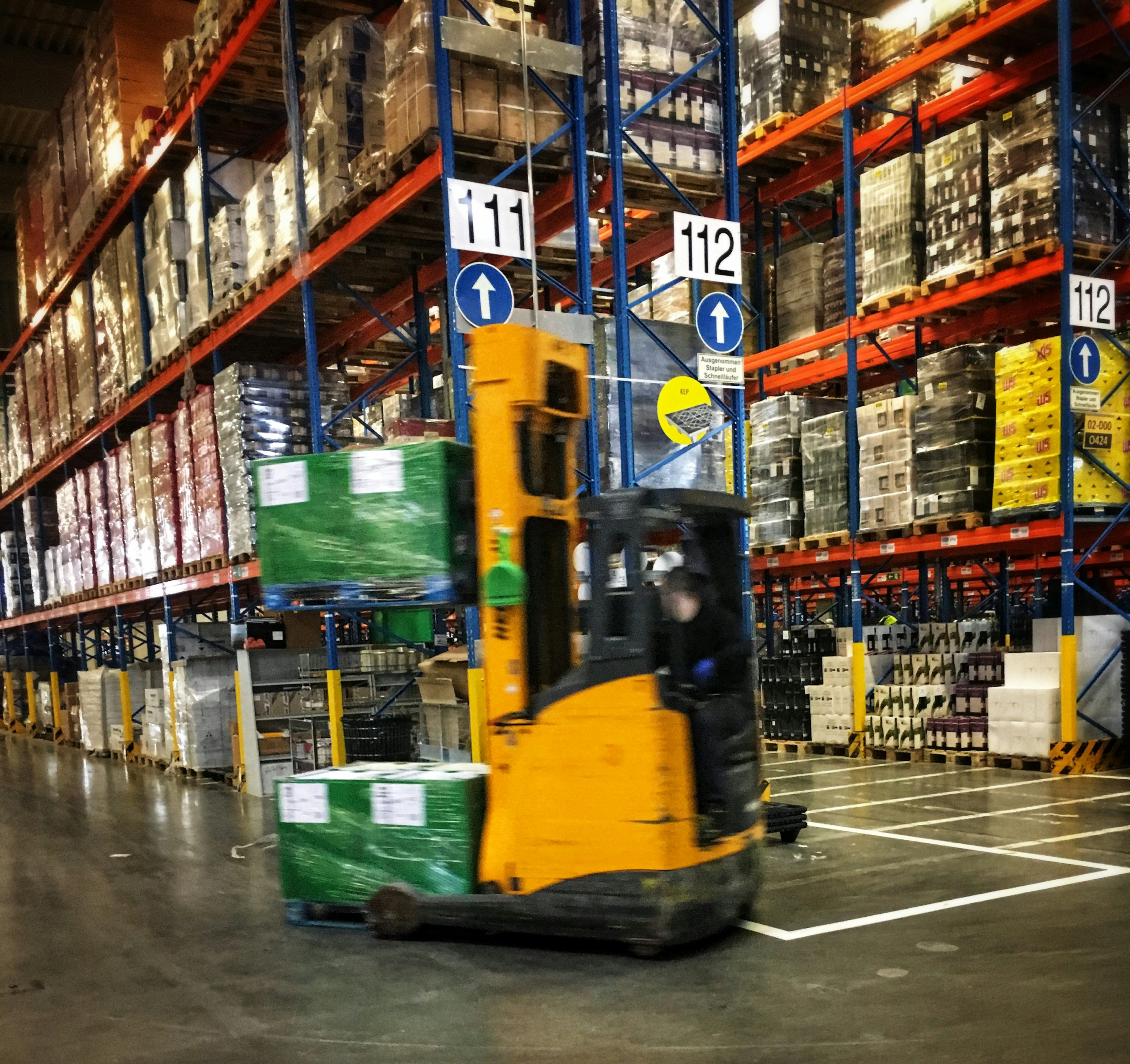
The projects sit alongside investments already brought into service. UPS has established a technology-enabled logistics centre in Taiwan, expanded its Incheon air hub in South Korea with additional automation, and opened a Supply Chain Solutions operation in Amsterdam combining freight, customs brokerage, and cold-chain services.
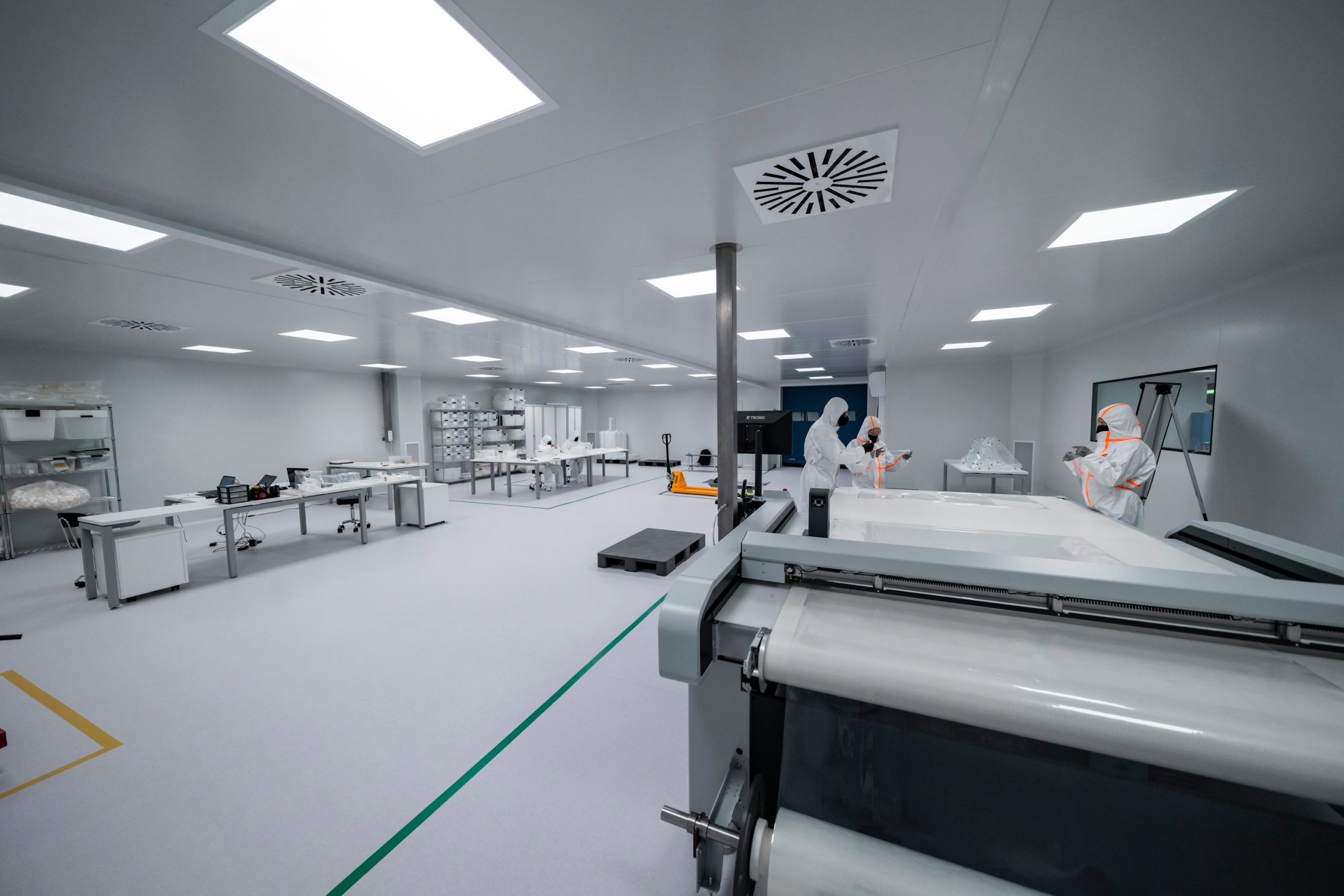
The company is also expanding specialist healthcare infrastructure through 27 temperature-controlled freight cross-dock facilities. Those sites are designed to preserve specified conditions while sensitive shipments transfer between air and ground transport, reducing exposure to uncontrolled temperatures during one of the more vulnerable stages of a journey.
Pharmaceutical and biotechnology products provide an obvious application, but the wider investment programme is also aimed at high-technology, automotive, and industrial manufacturing customers. Those sectors use logistics differently from consumer parcel markets because the financial consequence of a late shipment can greatly exceed the value of the goods being moved.
A missing production component can stop machinery costing millions of pounds. Semiconductor equipment, aircraft parts, tooling, control systems, electronic assemblies, and maintenance spares may therefore justify faster or more tightly managed transport even when premium freight appears expensive on a simple price-per-kilogram basis.
Customs and brokerage capability become equally important when the shipment crosses several regulatory jurisdictions. An aircraft can move a part between continents in hours; incomplete classification, paperwork, or import approval can then leave the same component sitting at a border for days.
UPS’s Amsterdam operation reflects that attempt to remove hand-offs between different logistics functions. Freight forwarding, brokerage, distribution, and cold-chain activity can be managed within a more integrated network rather than passed through a succession of providers responsible for individual stages.
Fewer organisational transfers do not automatically guarantee better performance, but they reduce the number of interfaces at which tracking information, documents, or accountability can be lost. Industrial customers increasingly expect one view of the shipment even where its physical journey still involves aircraft, trucks, warehouses, customs authorities, and local delivery operations.
That data has operational value beyond knowing where a consignment is. If a shipment is going to miss a production window, sufficiently early information can allow a manufacturer to change its sequence, draw from another warehouse, substitute a component, or arrange an alternative route before a factory reaches the point of stoppage.
The need for that visibility has increased as global trade routes become less predictable. Tariff changes, customs rules, geopolitical disruption, weather events, and shifting sourcing strategies can alter the preferred route for industrial goods with relatively little warning.
A logistics network designed around one stable pattern of trade becomes less useful when customers periodically need to redirect flows between regions. UPS is therefore expanding capacity in several manufacturing centres rather than concentrating the programme around one established transatlantic corridor.
Asia-Pacific is particularly important for high-value industrial supply chains. Taiwan, South Korea, Hong Kong, the Philippines, and southern China sit inside manufacturing networks spanning semiconductors, electronics, batteries, precision components, machinery, and automotive products.
Additional hub capacity and international air connections can shorten replenishment times across those networks, particularly for components that are too valuable or technically specific to hold in large safety stocks. The same infrastructure also provides alternative routing options where normal flows are disrupted.
That does not make premium logistics a substitute for sensible inventory management. Moving every production-critical component by air is expensive, and a supply chain that depends continuously on emergency freight has usually moved the underlying problem rather than solved it.
The useful role is flexibility. Industrial customers can carry inventory where economics support it while retaining access to faster routes when a disruption, quality failure, unexpected production increase, or late supplier creates a gap that would otherwise stop output.
UPS is making the investment while restructuring other parts of its business and focusing more closely on international, healthcare, and complex B2B logistics. That makes the $2 billion programme a targeted reallocation of infrastructure rather than a simple expansion of parcel capacity everywhere.
For manufacturers, the value will ultimately be measured well away from the new airport buildings. A larger hub is useful if it shortens a critical component’s journey, automation matters if it reduces errors and dwell time, and tracking only earns its keep when information reaches the factory early enough to change a production decision.
More than $2 billion spread across several continents will give UPS more physical assets. The harder task is making air, ground, brokerage, warehousing, and specialist handling behave as one controllable logistics system while the supply chains using it continue becoming less predictable.