Sigma Advanced Systems has secured a further long-term manufacturing agreement worth nearly £125 million with Rolls-Royce through its recently acquired Leicester subsidiary, Bromford Precision Solutions, extending a relationship that now covers about £425 million of recently announced aerospace work.
The new contract covers aero-engine rings, casings, lock plates and other critical engine structures. Production will be divided across Sigma’s UK and Indian facilities under a dual-source arrangement, expanding the range of Rolls-Royce components manufactured by the group and adding a second geography for selected work.
The award follows an approximately £300 million, seven-year Rolls-Royce agreement announced earlier in 2026. Taken together, the two contracts give Sigma a sizeable programme pipeline with one customer, although the headline values represent revenue expected over several years rather than immediate sales or profit.
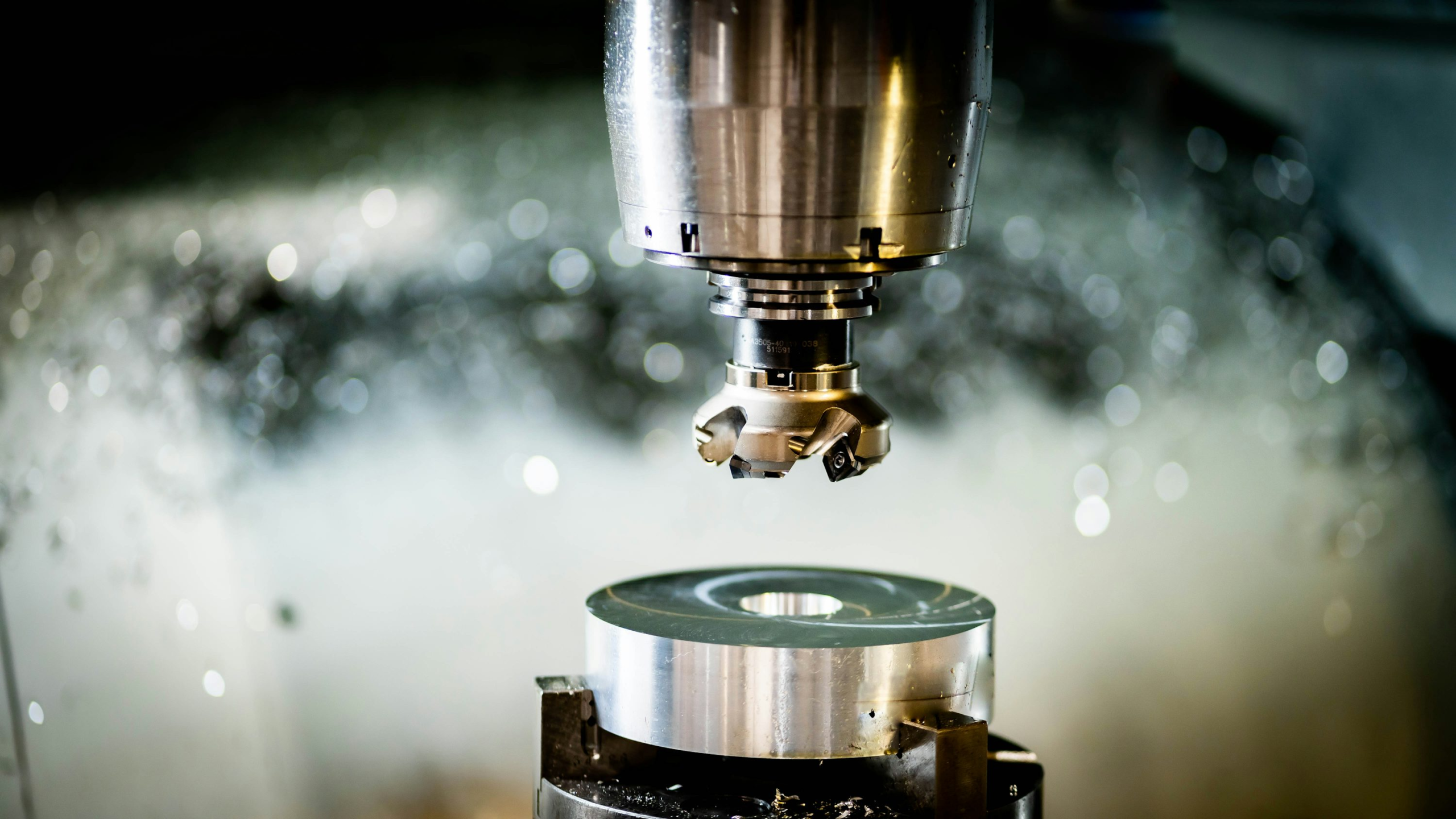
Bromford gives the group an established UK route into that work. Founded in 1988, the business specialises in complex aero-engine rings and precision-machined structures and already held approvals from Rolls-Royce and Siemens before Sigma acquired it. Its Leicester operation includes multi-axis machining and the ability to manufacture rings and casings up to one metre in diameter.
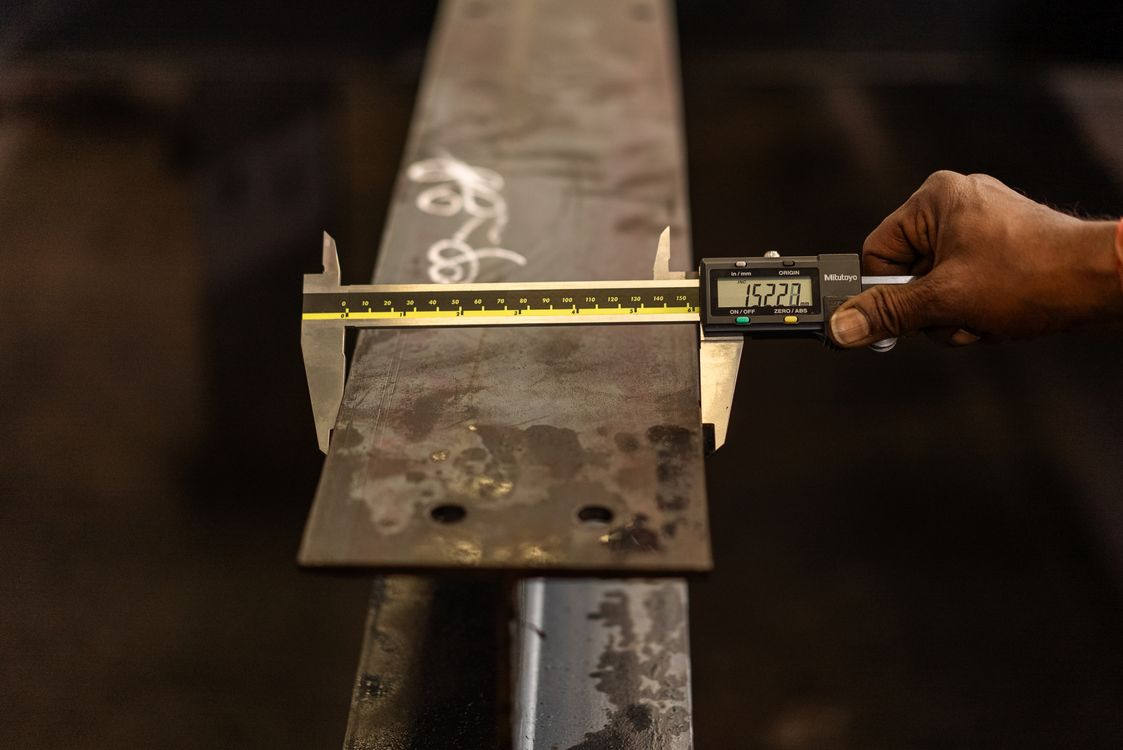
Those approvals carry practical weight in aerospace manufacturing. Engine structures are produced against tightly controlled material, dimensional, special-process and inspection requirements, so transferring a part from one supplier or factory to another can require customer approval, process validation and evidence that the new route can reproduce the qualified result.
Sigma’s dual-source model therefore depends on more than matching machine capacity in Britain and India. Tooling, material sources, inspection methods, process documentation and configuration control have to remain aligned, while Rolls-Royce retains oversight of which work is placed at each facility. The arrangement can provide capacity and resilience, but only if both routes remain inside the customer’s quality system.
Sunil Kalidindi, chief executive officer and executive director of Sigma Advanced Systems, said the company can combine Bromford’s specialist UK capability with its Indian manufacturing network to offer Rolls-Royce a global dual-source solution. He said international aerospace customers were increasingly looking to India for engineering depth, quality and scale as well as cost.
The contract also gives a clearer industrial rationale for Sigma’s acquisition of Bromford. The business was bought for approximately £11.89 million, adding a supplier with existing OEM approvals, specialist products and customer relationships rather than requiring Sigma to build an equivalent UK capability from scratch.
That acquisition sits alongside Nasmyth within Sigma’s British manufacturing base. The group is trying to combine established UK engineering and customer qualification with a broader Indian production footprint, allowing selected programmes to draw on more than one manufacturing location while retaining specialist machining and programme knowledge within the group.
Rolls-Royce has been expanding manufacturing partnerships across several markets as it increases production and pursues new aerospace and defence programmes. A separate proposed Indian combat-engine partnership extends that approach much further into design, development, testing and through-life support. The Sigma award is narrower, covering production of approved engine structures, but it points to the same requirement for suppliers capable of supporting long-term volume and programme continuity.
For Bromford, the immediate consequence is sustained workload shortly after its ownership changed. Long-term aerospace contracts can justify investment in fixtures, tooling, inspection equipment and workforce capability because programme volumes are spread over years, although suppliers still carry the operational burden of meeting delivery and quality requirements throughout that period.
The dual-source structure may also help manage peaks in demand, but it is not a licence to move work casually between factories. Aerospace components can be tied to approved manufacturing plans and special-process sources, and any transfer that changes those conditions may need fresh validation. Resilience comes from maintaining qualified alternatives in advance rather than assuming capacity can be shifted after a disruption begins.
The £425 million combined contract value is large beside Bromford’s acquisition price, but the comparison should not be mistaken for a return calculation. The agreements fund years of materials, labour, machining, inspection, capital equipment and delivery obligations. Margin depends on programme mix, utilisation, scrap, productivity and the cost of maintaining customer approvals across the manufacturing network.
Sigma has secured the work; execution now shifts to the factories. Bromford’s value will be demonstrated through stable production and delivery rather than through the size of the contract announcement, while the Indian sites must show that the dual-source model can add capacity without introducing variability into parts that operate inside tightly controlled aero-engine assemblies.