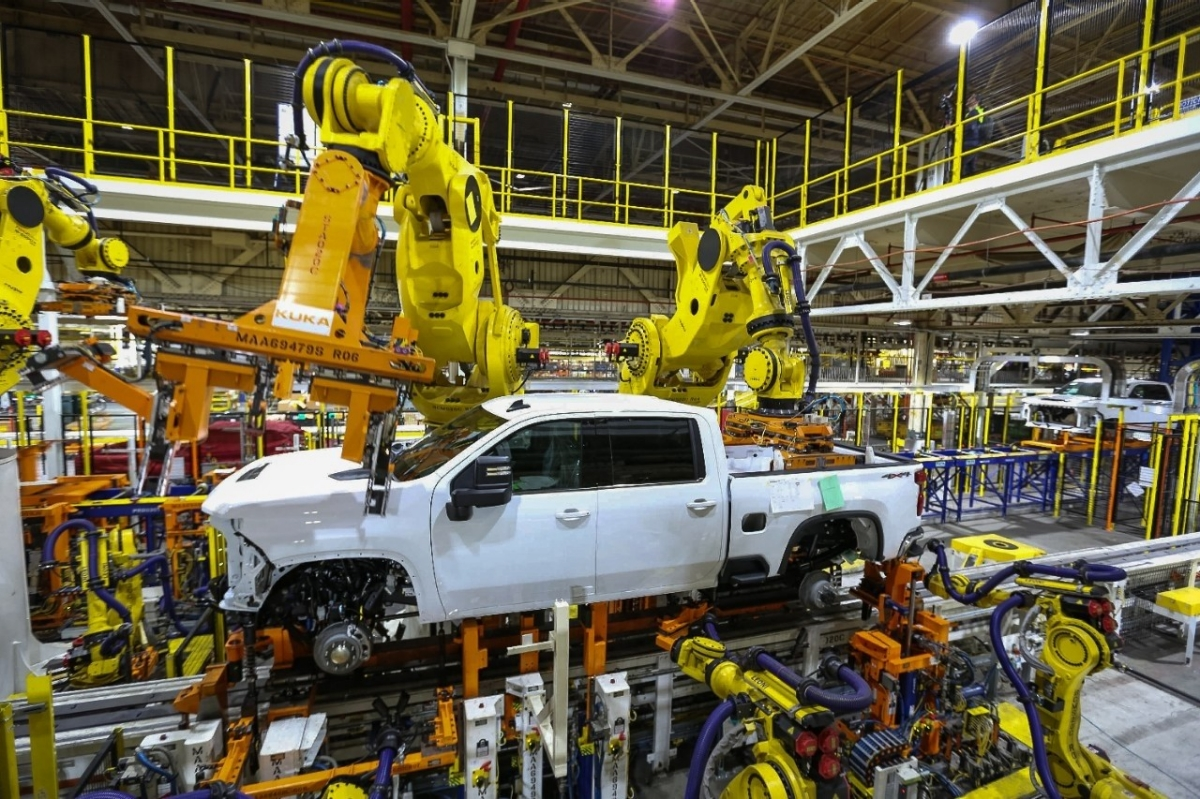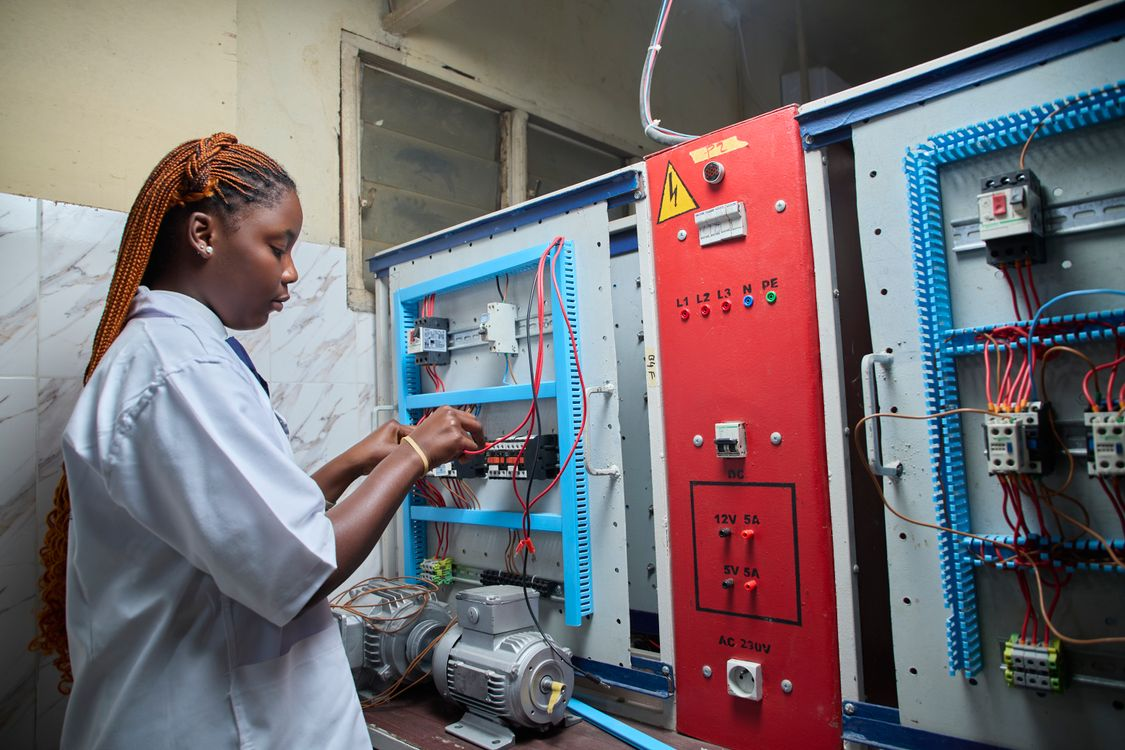
Siemens has opened a 131,000-square-foot skid assembly factory near Raleigh, North Carolina, adding manufacturing capacity for integrated medium-voltage electrical infrastructure. The operation integrates medium-voltage equipment into factory-assembled packages that can be transported to construction sites as engineered units, reducing the amount of assembly required alongside other project works.
The new operation expands Siemens’ local integration capabilities and is expected to support the creation of up to 200 skilled manufacturing jobs. The company has identified demand from customers bringing critical electrical infrastructure into service, including facilities where project schedules depend on the availability and installation of medium-voltage equipment. Siemens has not disclosed a production volume, customer order total or measured project time saving for the Raleigh operation.
Electrical skids generally place equipment on engineered structural bases so that components and connections can be assembled in a controlled manufacturing environment before the complete unit reaches its destination. Depending on the project design, a modular electrical package can incorporate switching and transformation equipment, protection and control systems, cabling interfaces and auxiliary equipment. The exact arrangement is application-specific, and Siemens has not published a universal specification covering every configuration planned at Raleigh.
Factory assembly allows more electrical and mechanical interfaces to be built and checked before the equipment reaches a live construction site. Components must still meet electrical ratings, thermal requirements, fault protection rules and the physical constraints of the destination site, but some assembly and inspection can take place before transport. Mechanical layout and the routing of conductors can be resolved alongside protection system integration, rather than waiting for separate equipment deliveries and site access windows.
Medium-voltage infrastructure is commonly used to distribute power around large industrial installations and data centres. These sites may require connections between incoming electrical supplies, transformers, switchgear and downstream low-voltage distribution. A skid cannot eliminate the need for civil foundations, utility connections or commissioning, but manufacturing a defined portion of the system away from site may reduce the number of activities that need to be coordinated during the final installation stage.
Preassembly also introduces design constraints. Transport dimensions, lifting arrangements, vibration, weather exposure and access for inspection or later maintenance all need to be incorporated in the equipment package. The level of integration that makes sense for a compact installation may be unsuitable for a larger project with different redundancy or voltage requirements. Factory testing similarly does not remove the need to demonstrate correct protection settings and performance after the equipment is connected at its operating location.
Siemens has been expanding US electrical manufacturing capacity to address demand from power-intensive infrastructure. In March, it outlined $165m of investment in facilities in North and South Carolina, including the then-planned Raleigh site and expansion at its Wendell operations. The March plan referenced approximately 100 Raleigh jobs by the end of 2026; the November opening described potential for up to 200 skilled positions. These figures concern different planning horizons and should not be treated as 300 separate Raleigh roles.
An earlier Siemens agreement with data centre developer Compass Datacenters demonstrates how integrated power skids can be specified, although no order under that agreement has been assigned publicly to the new factory. The companies described a modular medium-voltage skid arrangement combining components such as switchgear and transformers into a single integrated unit, with commissioning support planned for installation. The new Raleigh announcement does not identify Compass as a customer for this particular facility or provide a project allocation, so the earlier agreement is useful only as technical background.
In a factory integration model, quality assurance covers both the constituent devices and the interfaces introduced by assembling them together. Protection coordination, wiring verification, insulation and functional tests can be organised around a repeatable manufacturing procedure. Site integration continues to require confirmation that upstream and downstream equipment, communications, environmental conditions and operating procedures correspond to the approved design.
Factory assembly also concentrates manufacturing activity at a site where material flows, lifting equipment and inspection resources can be arranged around a defined production sequence. Integrators must control component substitutions and design revisions because a change to one element can affect protection settings, busbar clearances or cable interfaces elsewhere in the package. Reproducible factory procedures can assist consistency, provided each skid is checked against the particular project configuration rather than treated as identical to earlier units.
With the building open, Siemens must translate its integration capacity into tested, customer-specific equipment. Production volumes, completed skid deliveries and recruitment against the stated upper limit of 200 jobs will provide firmer measures of the factory’s output than its floor area alone. Actual installation savings will depend on the configuration and site constraints of each electrical project.