Sartorius and the National Institute for Bioprocessing Research and Training are establishing a dedicated training centre in Dublin for intensified and fully continuous bioprocessing, with operations due to begin in the fourth quarter of 2026.
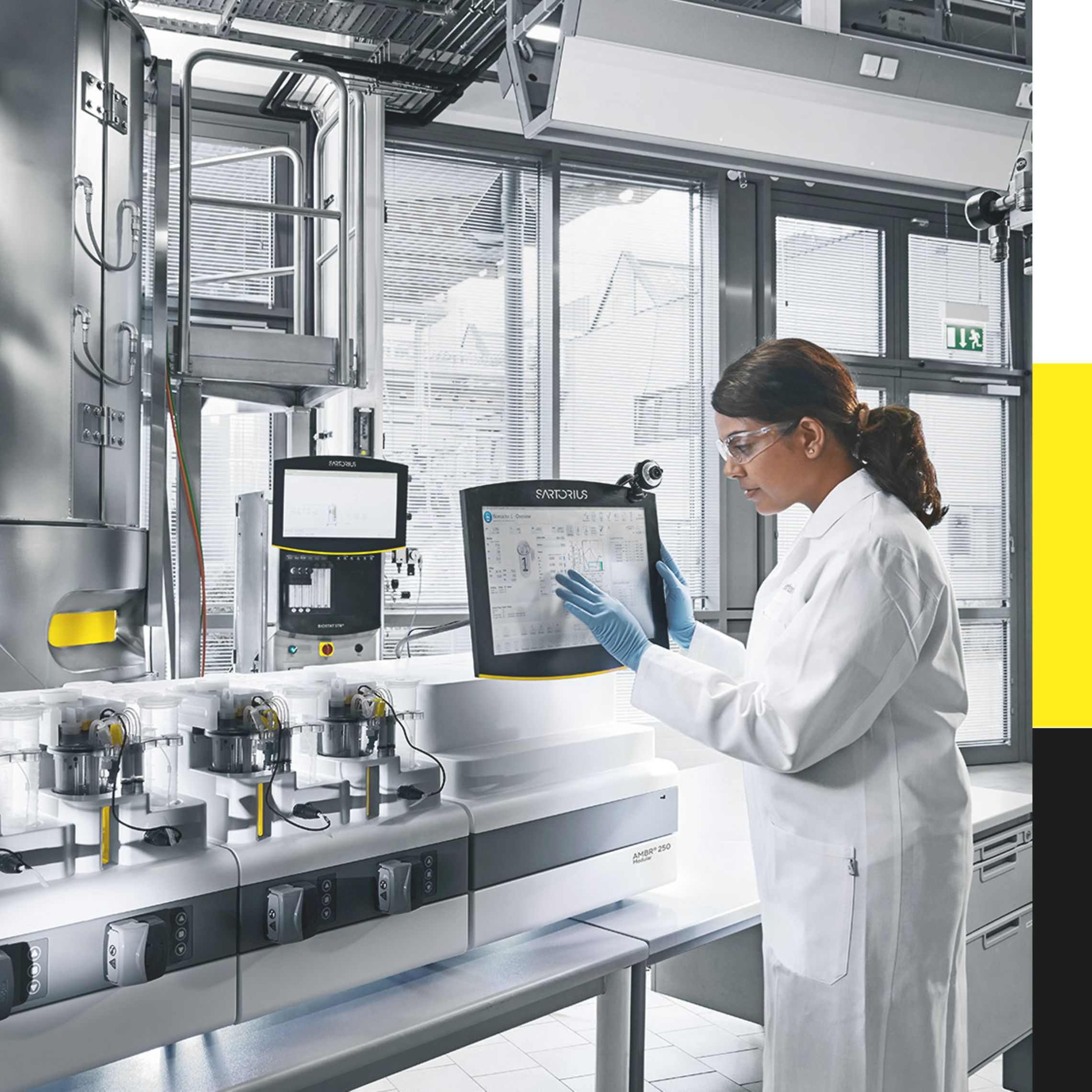
The facility will be equipped with Sartorius’ Pionic platform, an end-to-end modular cGMP system for integrated continuous bioprocessing combining upstream and downstream processing with process analytics and digital controls. The partners expect the centre to provide more than 1,000 scientists, engineers, and students each year with practical experience of continuous manufacturing methods.
The project addresses a skills gap between the availability of continuous-processing technology and the number of people who have operated it in a realistic production environment. Biopharmaceutical manufacturing remains heavily dependent on batch processes, while intensified and continuous approaches are designed to reduce idle time, shrink equipment footprints, and connect unit operations more closely.
Adopting that architecture changes more than the equipment layout. Upstream culture, purification, buffer management, filtration, process analytical technology, control systems, data handling, and release strategies have to operate as parts of one production chain. A deviation in one stage can also propagate through subsequent operations when material is flowing continuously rather than being held between discrete batches.
René Fáber, head of the Bioprocess Solutions Division and member of the executive board at Sartorius, said: “While technological innovation is the first step, training current and future engineers and operators is critical to making the change a reality.”
The Dublin centre will provide hands-on training in intensified upstream and downstream processes, while NIBRT will also use the installation for collaborative research and pilot-scale demonstrations. The combination gives process developers, operators, and engineers access to integrated equipment without relying solely on a commercial manufacturing plant already committed to supplying medicines.
NIBRT has built its role around bioprocessing skills, research, and industry training, making the organisation a practical host for equipment that crosses conventional unit-operation boundaries. Fully integrated lines require process development, automation, analytics, quality, and operations teams to work from common process assumptions rather than optimise each stage independently.
Pionic is designed around that integration. Sartorius describes it as a modular cGMP platform for continuous bioprocessing, meaning the equipment and control architecture are intended to support regulated manufacturing rather than laboratory demonstration alone. The centre will allow users to work with the platform before attempting to transfer comparable processes into clinical or commercial production.
Darrin Morrissey, chief executive officer of NIBRT, said the collaboration would give biopharma professionals “first-hand experience with cutting-edge technologies that drive process efficiency and performance”. Training can cover the operating conditions that make continuous manufacturing demanding, including start-up and shutdown sequences, residence-time control, sensor reliability, material tracking, deviations, cleaning strategies, and extended process runs.
Biopharmaceutical plants face a different capacity problem from many conventional bulk chemical facilities. Product portfolios are becoming more varied, individual production volumes can be smaller, and new therapies may require flexible assets capable of switching between products or campaigns without leaving large equipment trains idle.
Continuous or intensified processes can potentially make better use of equipment and floor space, but only where they remain stable over extended operating periods. A smaller process train has little advantage if control problems, fouling, sensor drift, maintenance requirements, or downstream bottlenecks create frequent interruptions.
Process transfer creates another engineering challenge. A method that performs reliably in development still has to become equipment recipes, control logic, sampling plans, alarm strategies, cleaning procedures, and standard operating instructions that production teams can execute repeatedly. Continuous configurations leave fewer natural stopping points between stages, tightening the relationship between process development and day-to-day manufacturing.
The partnership also gives Sartorius a route to expose engineers and operators to an integrated commercial-scale architecture without making a customer production facility the training environment. NIBRT gains a broader range of manufacturing configurations for education and applied research, while participating companies can use the centre to build operating experience before investing in comparable production equipment.
The facility is due to become part of NIBRT’s wider international training and education network, serving industry professionals and academic partners from Ireland, Europe, and other markets. Its annual target of more than 1,000 learners gives the project a scale beyond specialist demonstration courses, particularly where the same installation also supports pilot work and collaborative research.
Continuous bioprocessing ultimately faces the same production requirements as other manufacturing architectures: repeatable quality, validated control, maintainability, predictable output, and economics that justify changing an established process. Sartorius and NIBRT are pairing the equipment with a dedicated training environment so that engineering and operating capability can develop alongside the technology before wider industrial adoption.