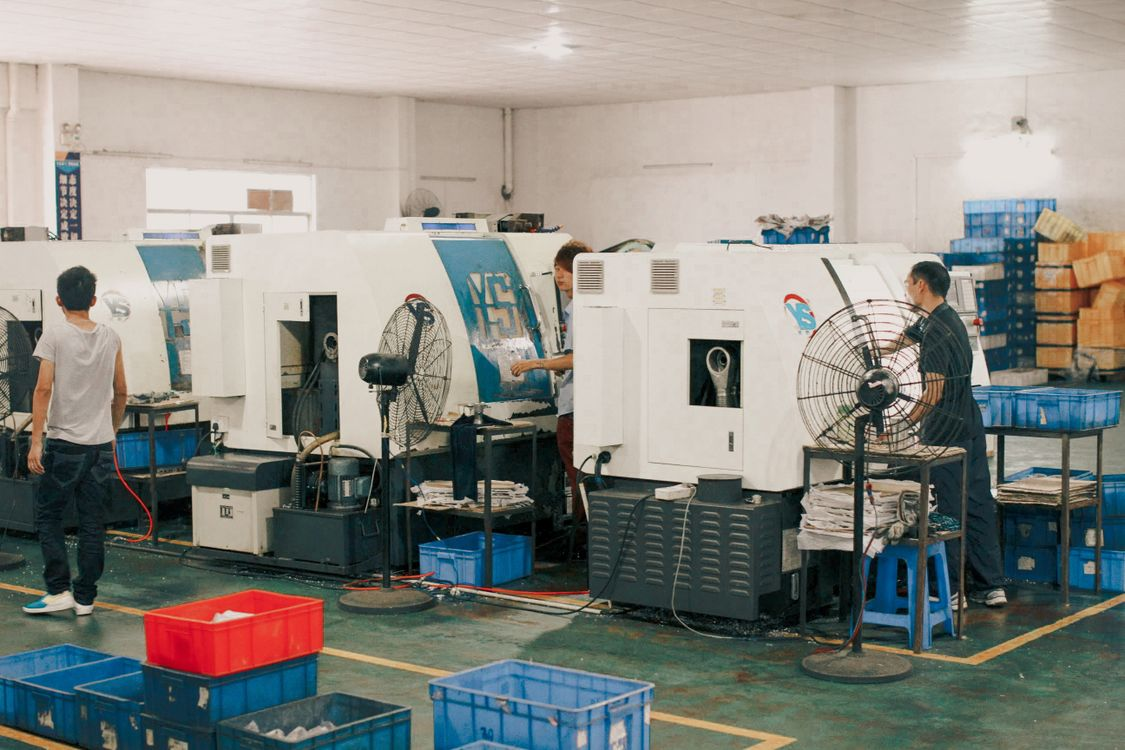
Rivan Industries has opened a 60,000 sq ft manufacturing facility in South London to move its modular synthetic natural gas technology from development hardware towards repeat production, with capacity planned for as many as 50 1MW systems a year.
The facility, known as Production Base 1, brings fabrication, assembly, testing, research and engineering into one site. Rivan announced the factory earlier in the year and has now opened the operation as it prepares for the first production systems to move through the line from 2027.
Rivan is developing modular plants that convert electricity, water and carbon dioxide into synthetic methane. Its current 1MW architecture combines an alkaline electrolyser, carbon dioxide supply, a Sabatier reactor, power management, controls and supporting process equipment, with the hardware designed around direct connection to dedicated solar generation away from the electricity grid.
The electrolyser splits water to produce hydrogen, while the Sabatier reaction combines that hydrogen with carbon dioxide to form methane and water. Once the resulting methane meets the required gas specification, it is chemically compatible with infrastructure and combustion equipment designed for natural gas.
Compatibility with existing gas systems carries an energy penalty because electricity is converted into hydrogen before the hydrogen is converted again into methane. Pumps, compression, thermal management, controls and carbon dioxide handling consume further energy, so the synthetic fuel has to justify those losses through advantages such as storage, use in existing industrial gas equipment or applications where direct electrification is technically difficult.
Rivan’s manufacturing strategy is aimed partly at reducing the capital cost of the equipment needed to make that fuel. Conventional synthetic fuel projects can involve substantial site specific engineering, with process equipment, controls and interfaces designed around each installation. Rivan is instead developing a standard 1MW module that can be manufactured repeatedly and deployed in groups.
That approach moves more engineering work into the product and factory. If the same reactor, electrolyser interfaces, control architecture and structural design can be repeated, later installations require less redesign, while suppliers can produce larger volumes of common components.
The company deployed its first full scale 1MW system in August after previously operating a 100kW pilot. The larger unit integrates its reactor, electrolyser, power management and control architecture with dedicated solar generation, providing the engineering basis for the equipment now intended for repeat manufacture.
The current demonstration system uses liquid biogenic carbon dioxide from a nearby anaerobic digestion plant rather than relying immediately on direct air capture. Rivan intends to incorporate its own direct air capture technology as that subsystem is scaled, meaning later production configurations may differ from the unit currently being commissioned.
Production Base 1 is designed to remove bottlenecks encountered in the smaller development facility. Rivan has installed custom power, machinery, pneumatics, hydraulics, test equipment and storage while keeping engineering and manufacturing teams under the same roof.
Close integration between those teams can shorten the time between finding a production problem and changing the design that caused it, but repeat manufacturing also imposes disciplines that prototype work can avoid. A development system can absorb manual fitting, component variation and frequent engineering intervention that become expensive when dozens of nominally identical units have to move through a production line.
Stable bills of materials, defined work instructions, supplier quality controls, traceability and repeatable testing therefore become more important as volume increases. Designs must also be tolerant enough to assemble without constant adjustment while maintaining the pressure, temperature and gas handling requirements of the complete process system.
Rivan is recruiting across production, assembly, supply chain and regulatory roles as that transition continues. The company plans to manufacture its first 50 1MW systems through the new base and use the site as a template for later factories if commercial demand increases.
Fifty systems would represent 50MW of annual module capacity, a substantial increase from the equipment built so far. Throughput will depend on whether the electrolyser, reactor and supporting hardware can be assembled and tested at a cadence very different from development builds, while suppliers will have to provide repeated batches of components rather than pilot quantities.
An earlier 1MW deployment moved Rivan beyond its 100kW pilot architecture, but commissioning data remains central to the production case. The company has set ambitious cost and performance targets for synthetic natural gas, and manufacturing scale cannot compensate if the integrated process fails to deliver the required efficiency, reliability, gas quality or operating life.
A stable modular design would, however, allow improvements made during one production run to carry into later units without redesigning an entire plant. That is the industrial premise behind Production Base 1: shifting synthetic fuel equipment towards repeat manufacture rather than treating every installation as a bespoke process project.
The factory opening changes Rivan’s immediate engineering problem from whether it can build a megawatt scale system to whether it can build the same system repeatedly. Commissioning of the 1MW platform, qualification of suppliers and the first production units in 2027 will show whether the equipment can retain its performance as development methods give way to manufacturing discipline.