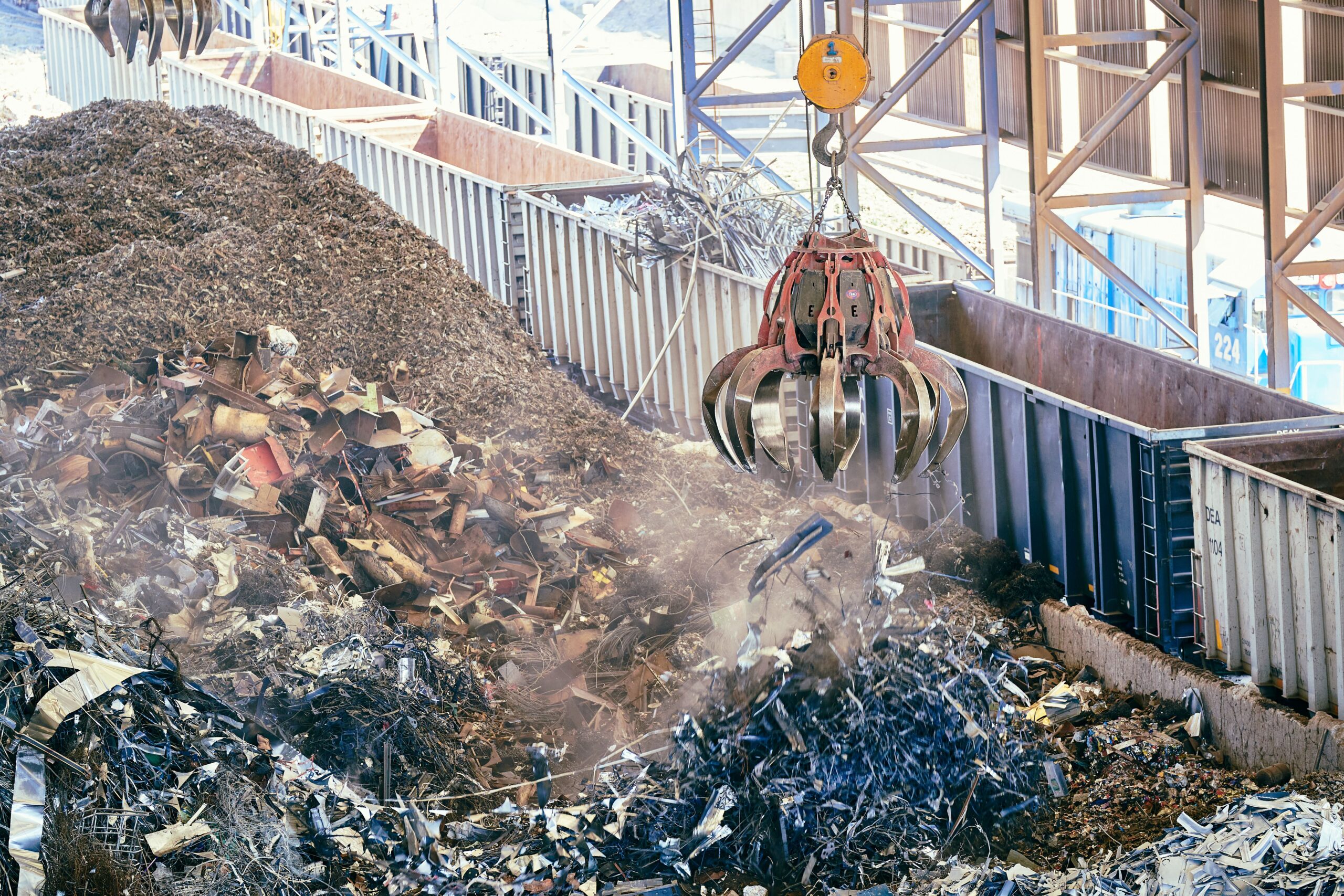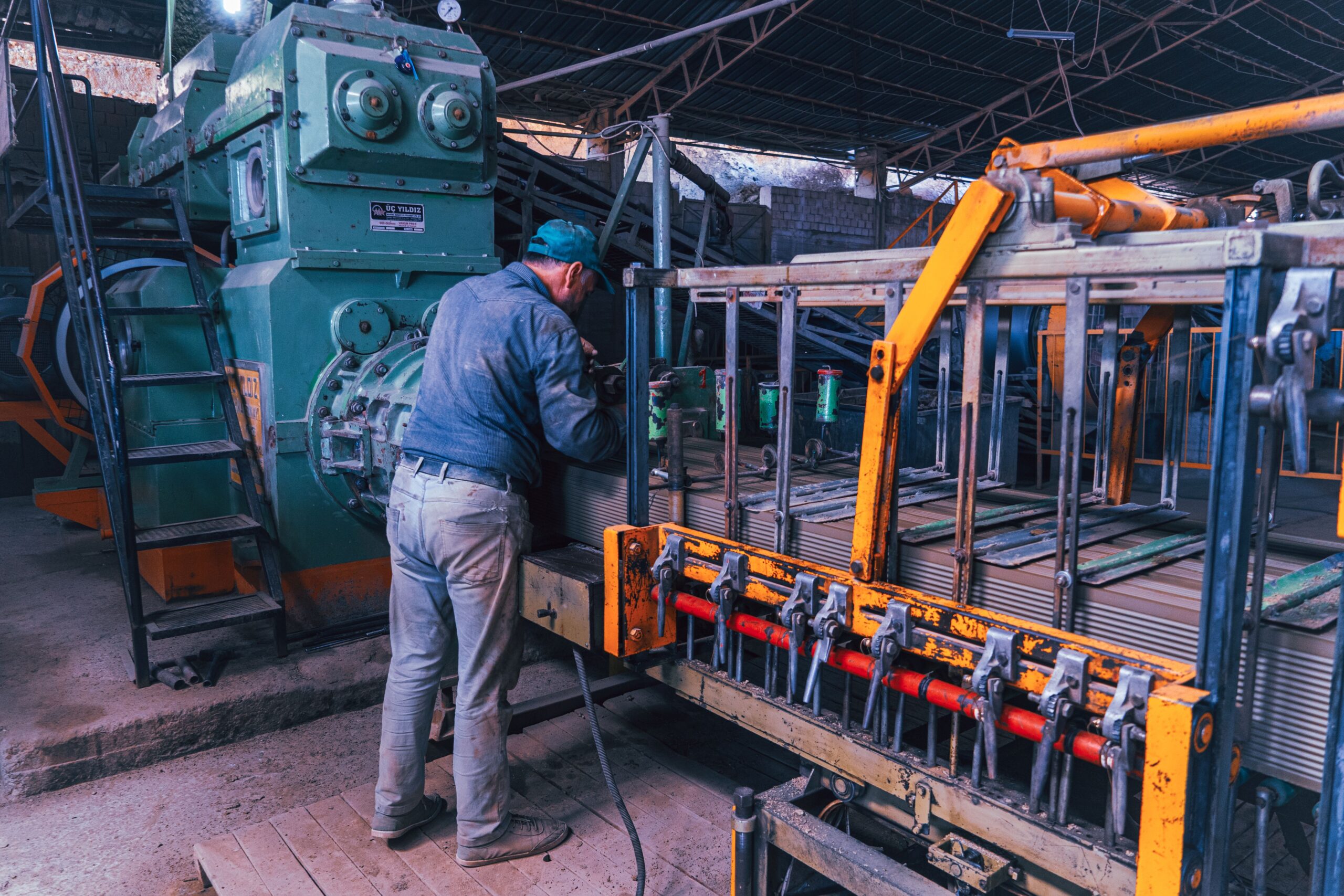
PWO Group has secured a €15 million loan from the European Investment Bank to finance machinery at its recently opened manufacturing facility in Čačak, Serbia, adding development-bank funding to a €31 million automotive investment focused on lightweight metal components.
The 16,500-square-metre plant manufactures components and systems for the automotive industry, including products used in electrified vehicles. PWO entered Serbia in 2023 and began operations at the new engineering and production facility at the end of 2025, creating a further manufacturing base within southeast Europe.
The financing package combines the €15 million EIB loan with €12 million from PWO and €4 million from the Serbian government. The investment is expected to create 550 jobs by 2033 and includes the production machinery required to increase output at a factory whose main buildings are already complete.
That distinction matters because opening a factory and establishing stable automotive production are separate industrial stages. Presses, dies, joining equipment, automated handling, inspection systems, utilities, and production controls all have to be installed and commissioned before customer programmes can move into reliable series manufacture.
PWO specialises in metal components produced through forming and joining processes, with applications covering vehicle structures, electrification, safety, comfort, and other assemblies where weight, strength, geometry, and repeatability have to remain controlled across high production volumes.
The Čačak operation also includes tooling capability for sheet-metal cold forming. Tooling is central to the economics of this type of manufacturing because the press provides force and cycle speed while the die determines the geometry and tolerances of the part being made.
New vehicle programmes therefore require more than spare machine capacity. Tool design, process trials, dimensional inspection, material behaviour, and customer approval all influence how quickly a component can move from prototype or pre-series production into routine supply.
The EIB describes the investment as supporting technology transfer and the competitiveness of the European automotive industry. Serbia is outside the European Union but closely integrated with continental vehicle supply chains, giving manufacturers access to European customers from a production base with a different cost structure from established western European locations.
That position also creates logistical demands. Components still have to cross borders and arrive within tightly controlled production schedules, particularly where customers operate just-in-time or sequenced assembly. A lower factory cost provides little advantage if transport variability forces customers to hold substantially more inventory.
PWO has significant space for further expansion at Čačak. The company controls approximately 100,000 square metres at the location while the current factory occupies 16,500 square metres, leaving room to add production if further customer programmes are awarded.
A Shared Service Centre at the site also supports PWO’s European operations, giving Čačak a role that combines manufacturing with engineering and administrative functions. That makes the Serbian investment broader than a stand-alone component plant and gives the group another location from which to support its regional network.
PWO has already reported additional series-production orders for the site. Those awards are critical to the return on the new machinery because automotive capacity carries fixed costs before programme volumes reach their expected level.
Utilisation becomes especially important where dedicated tooling is involved. A production line built around long vehicle programmes can generate predictable output for several years, but an underfilled plant still has to carry depreciation, maintenance, staffing, utilities, and financing costs.
Electrification does not remove the market for PWO’s type of metal component. Battery-electric vehicles require structural trays, reinforcements, crash-management systems, suspension parts, brackets, housings, and other assemblies whose mass and stiffness influence range, safety, and packaging.
The change in drivetrain can therefore alter part designs without eliminating the requirement for high-volume forming and joining. Suppliers able to follow customers into electric platforms while maintaining quality and delivery performance remain embedded in the production chain even as engine-related content declines.
The €15 million EIB loan is debt rather than a grant, so PWO still has to generate a commercial return from the equipment being financed. The public-policy case rests on employment, technology transfer, and industrial development; the company’s case rests on customer programmes, utilisation, and production cost.
The financing moves Čačak beyond the symbolic factory-opening stage. PWO already has the site and early programmes; the next phase is equipping and ramping the plant until its machinery, tooling, quality systems, and workforce can deliver repeatable series output at automotive volumes.