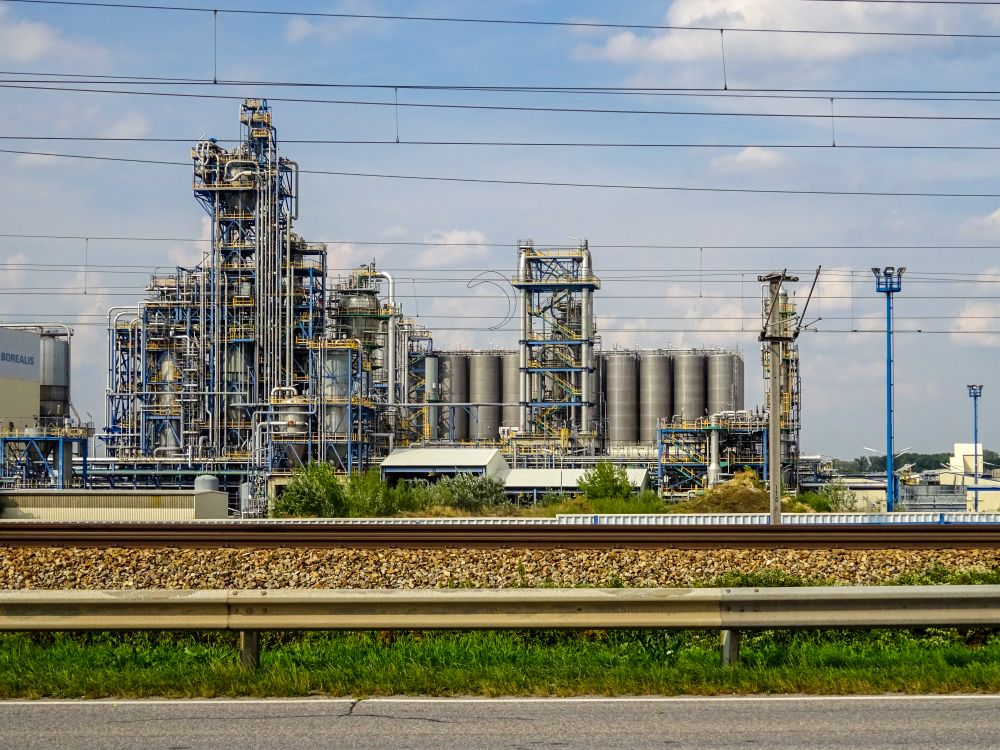
CATL has started trial battery cell production on the first two lines at its Debrecen plant in Hungary, moving the €7.34 billion manufacturing project into process commissioning after an earlier interruption linked to occupational safety concerns.
The trial phase began on 22 September and will be used to adjust, optimise, and verify production equipment before series cell manufacturing starts. The company says it has satisfied the conditions attached to its integrated environmental permit and obtained the approvals required to operate the new cell-production building on a trial basis.
Construction of the first cell manufacturing building began in summer 2023, with equipment installation under way by spring 2026. CATL had already been producing battery modules in Debrecen, but locally manufactured cells had not entered production, making the September trial run a separate milestone in the site’s development.
The ramp-up follows an interruption in August after biological monitoring identified elevated nickel exposure in nine employees during equipment commissioning. Hungarian authorities inspected the operation, identified shortcomings involving personal protective equipment, and required corrective action before affected work could continue.
CATL suspended commissioning activity while those issues were addressed. Local authorities subsequently confirmed that the identified deficiencies had been rectified, allowing trial cell production to begin. The company says health, safety, and environmental monitoring will continue during the trial period.
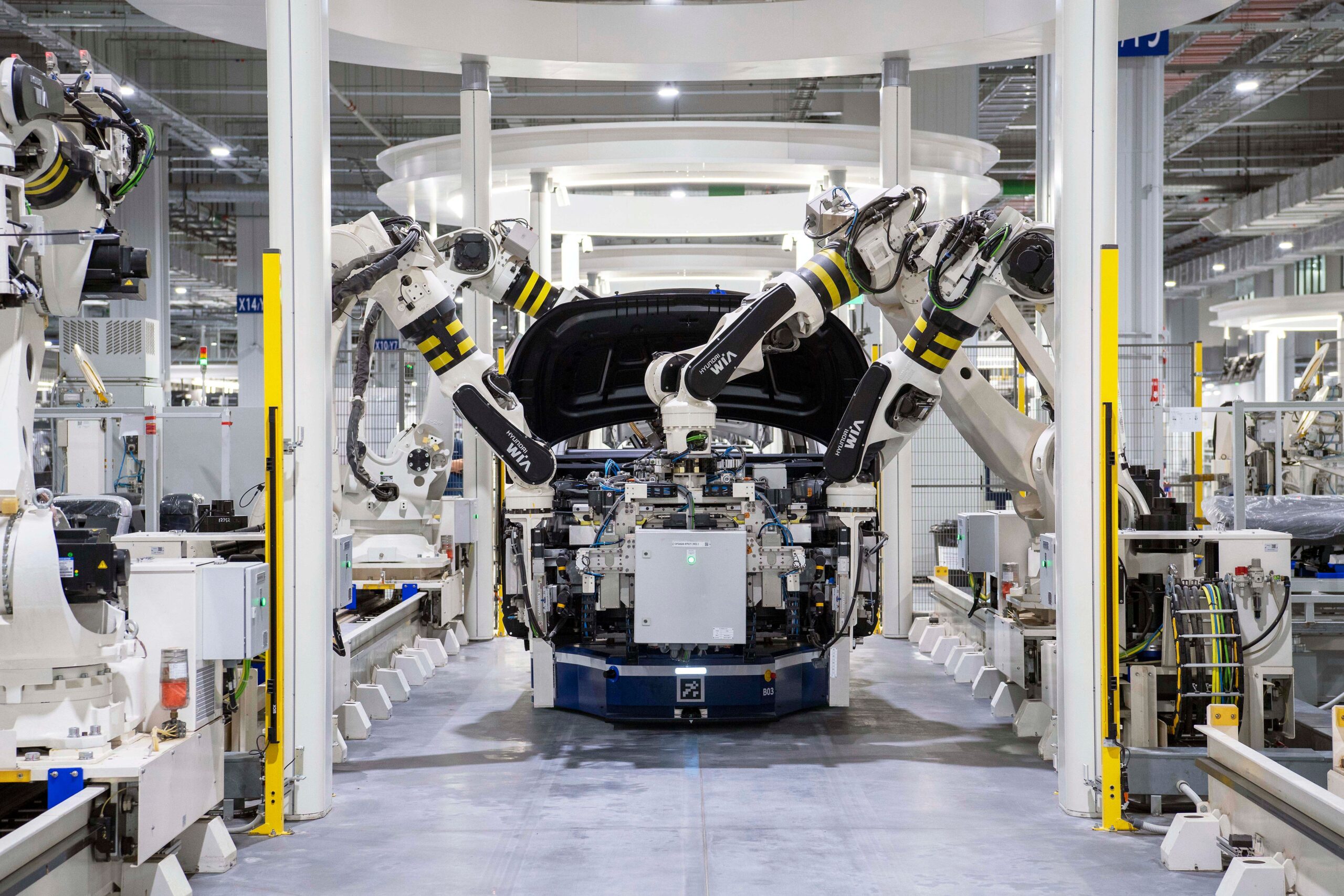
That sequence matters because trial production is not equivalent to routine commercial output. Battery cell plants rely on a long chain of tightly controlled processes including electrode preparation, coating, drying, calendaring, cutting, assembly, electrolyte filling, formation, ageing, and inspection.
Individual machines can be mechanically complete while the overall production system remains unstable. Engineers have to bring those stages into balance so that material arrives at each process with the required dimensions, moisture level, chemistry, and timing.
Small deviations can compound rapidly. Electrode coating thickness, particle contamination, winding or stacking accuracy, electrolyte dosing, and formation parameters all influence cell performance and reject rates. A series-production line therefore has to demonstrate both technical quality and an economically acceptable yield.
Debrecen is intended to become CATL’s largest manufacturing base outside China if all planned phases are completed, with annual capacity of up to 100GWh. At that scale, marginal improvements in first-pass yield or equipment availability translate into substantial differences in saleable output.
The plant also sits within a growing central European electric-vehicle manufacturing cluster. Hungary has attracted battery and vehicle investment from European and Asian manufacturers, placing cell production closer to major automotive assembly operations.
CATL announced the Hungarian project in 2022 as its second European battery manufacturing base. Module production has been under way since autumn 2024, and the company says 537,000 modules have now been produced in Debrecen, enough to equip more than 134,000 vehicles. A newer module hall has annual capacity of around 5GWh.
Producing cells on site changes the industrial significance of Debrecen. Modules can be assembled from imported cells, whereas cell manufacturing requires coating, chemical handling, dry-room infrastructure, formation equipment, process utilities, and substantially more quality control.
Localising those stages increases the amount of battery value added within Hungary and reduces some of the logistics associated with moving cells from other plants. It also raises the environmental and occupational controls required because production handles active materials, solvents, metal-containing powders, and processes with specific exposure limits.
The August intervention demonstrates how closely regulatory compliance and production ramp-up are linked. An unresolved safety problem can stop equipment commissioning regardless of how much capital has already been committed to the plant.
CATL now has to demonstrate that the first two lines can move from trial operation into stable series manufacturing while meeting the conditions imposed by Hungarian authorities. Production engineers will use the initial output to refine equipment settings, process windows, and quality controls before larger volumes are released.
The site’s eventual 100GWh nameplate capacity is therefore less important in the near term than the performance of those first lines. Stable yield, quality, operating availability, and continued regulatory compliance will determine how quickly Debrecen moves from installed manufacturing capacity to dependable commercial production.