METLEN is investing nearly €25 million in recycled aluminium producer EP.AL.ME., adding automated sorting, processing, and melting equipment intended to handle more complex scrap streams and tighten the link between secondary metal production and Aluminium of Greece.
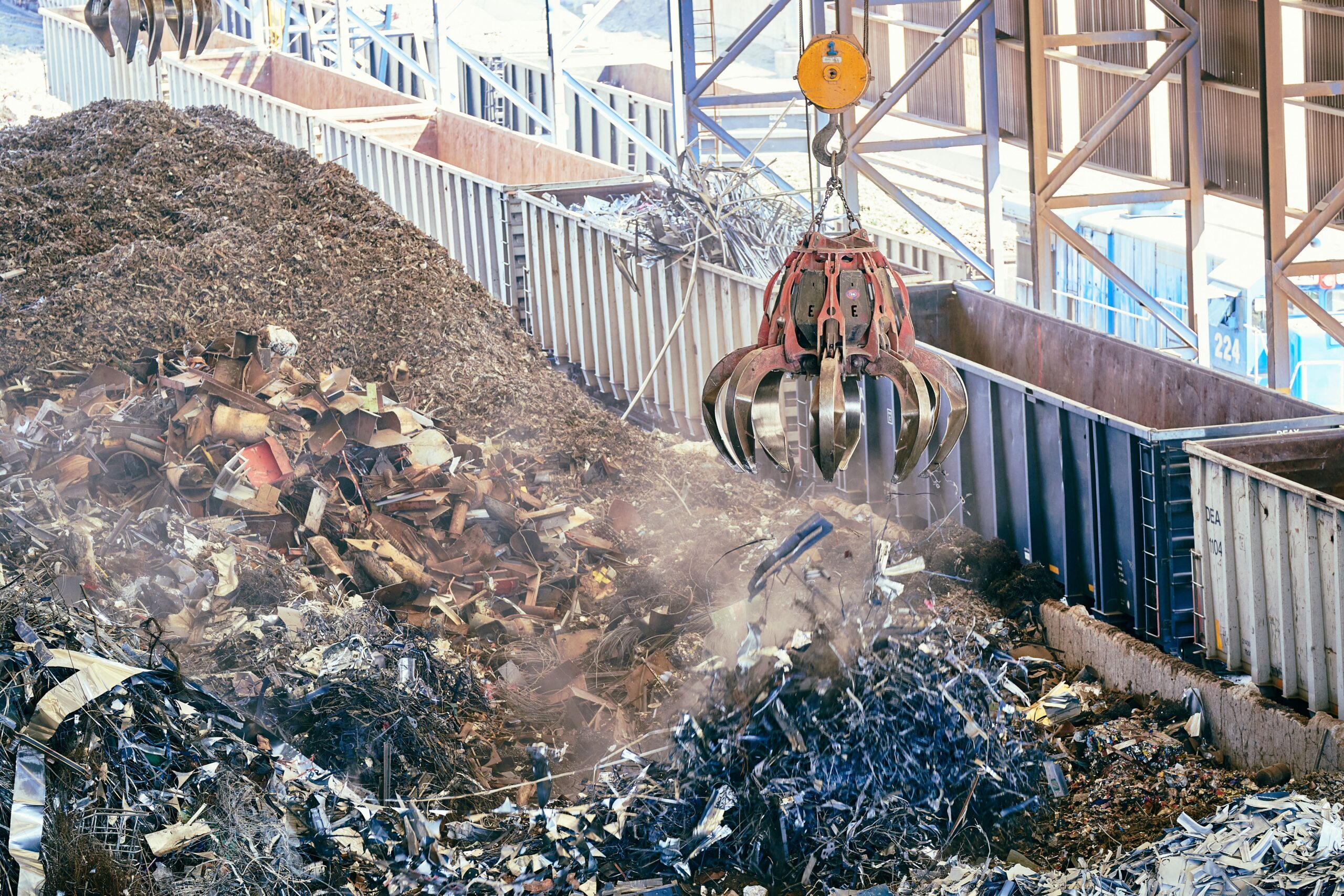
The project will expand EP.AL.ME.’s role from billet production towards a broader collection, sorting, and pre-processing hub for aluminium scrap. METLEN plans to accept a larger range of less-processed material, including additional categories of post-consumer aluminium that require more preparation before they can return to productive use.
Once the investment is fully developed, the group expects combined production across its aluminium operations to exceed 250,000 tonnes. METLEN also expects closer integration between the two operations to improve margins by keeping more sorting, treatment, and metallurgical value within the group.
EP.AL.ME., based at Oinofyta in Viotia, already produces secondary aluminium billets from production and post-consumer scrap. Its existing process includes raw-material control, melting, refining, casting, homogenisation, cooling, cutting, and bundling, giving it a vertically connected route from incoming scrap to extrusion billet.
The plant operates several types of melting equipment, including conventional, double-chamber, and rotary furnaces used for different feedstocks and recovery duties. Aluminium leaving the melting stage is adjusted for chemistry and casting temperature before being formed into billets and heat treated to achieve the required metallurgical characteristics.
The new investment addresses one of the main constraints in secondary-metal production: scrap is not a uniform raw material. Clean production offcuts are comparatively straightforward to recycle because their alloy and contamination levels are generally known.
Post-consumer material can arrive mixed with coatings, fasteners, plastics, oils, other metals, or several aluminium alloys. More capable sorting and preparation are therefore required before that material can enter a controlled melting process.
Automated separation and improved pre-processing allow recyclers to recover usable aluminium from streams that would otherwise need extensive manual treatment or be sold into lower-value markets. The commercial value comes from widening the available raw-material pool without losing control of the alloy chemistry needed in the finished billet.
That chemistry is critical because recycled aluminium is not valuable merely as molten metal. Customers buying extrusion billet require defined alloy compositions and mechanical properties, so contaminants such as iron, copper, zinc, or magnesium have to be understood and managed.
A recycler capable of identifying and segregating incoming alloys more accurately can direct each stream towards an application where its composition is useful rather than diluting it unnecessarily with primary metal.
METLEN intends to use Aluminium of Greece as the larger metallurgical platform around that recycling operation. EP.AL.ME. will increasingly concentrate on collecting, sorting, and preparing scrap, while Aluminium of Greece provides greater production scale and the ability to integrate recycled metal into a broader range of products.
The two operations already exchange material. METLEN says liquid aluminium has been transferred systematically between Aluminium of Greece and EP.AL.ME. since 2022, creating an existing operating link that the new equipment can deepen.
That reduces the integration risk compared with building an entirely new recycling chain between previously separate businesses. The companies already have material flows, technical standards, and production relationships that can be expanded as new sorting and processing equipment comes online.
Energy is another part of the economic argument. Producing secondary aluminium from scrap requires only a fraction of the energy consumed when metal is made from bauxite through alumina refining and electrolytic smelting. METLEN puts recycling energy demand at around 5% of the primary route.
The comparison does not mean every tonne of scrap can replace a tonne of primary metal directly. Losses occur during collection, sorting, decoating, melting, and treatment, while some alloys cannot be recycled into identical products indefinitely without managing accumulated impurities.
Primary metal therefore remains important for chemistry adjustment and applications with particularly tight composition limits. The industrial opportunity lies in combining both routes more effectively rather than treating recycling and primary production as competing systems.
Better scrap preparation gives METLEN a larger secondary feedstock base, while its primary-aluminium capability provides clean metal that can correct chemistry where required. Integrating the two allows recycled material to be used more selectively and at higher value.
Europe has an additional strategic reason to improve that integration. Aluminium is widely used in transport, electrical equipment, packaging, construction, and machinery, while European smelting has faced sustained pressure from energy costs.
Recovering more metal already circulating within the regional economy can reduce exposure to imported raw material and energy-intensive primary production, provided collection and sorting systems are capable of delivering predictable feedstock.
EP.AL.ME. has previously demonstrated recycled content above 90% in some certified extrusion billet. The latest investment aims to extend that capability towards more difficult post-consumer streams rather than relying predominantly on cleaner and more easily classified scrap.
The success of the €25 million programme will therefore be measured by the quality of material EP.AL.ME. can accept, not simply the number of machines installed. If automated sorting and treatment can convert lower-grade scrap into controlled furnace feed, METLEN will increase the amount of usable secondary aluminium entering its system while retaining more processing value internally.
That makes the project both a recycling investment and an exercise in vertical integration: more complex scrap enters at one end, while a larger share of the sorting, melting, chemistry adjustment, and casting needed to turn it back into industrial aluminium remains within the same group.