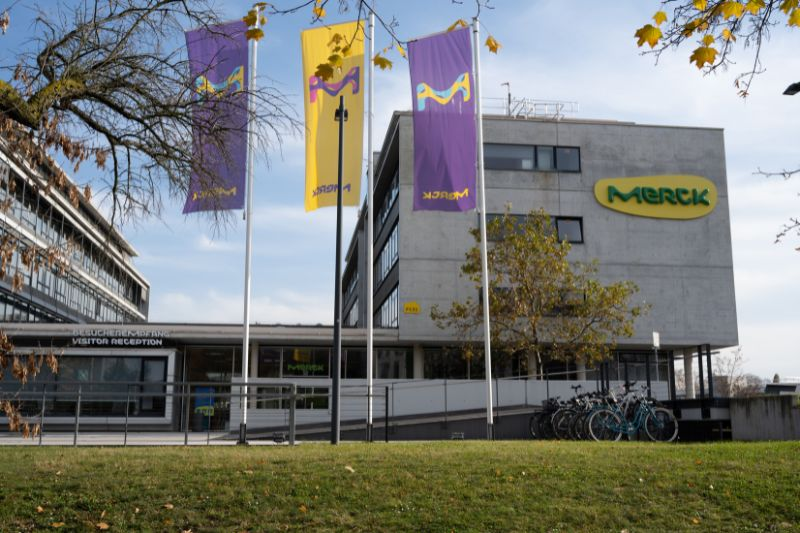
Merck KGaA has agreed to acquire Bio-Techne for approximately $11.3bn, strengthening its life science business across research tools, advanced biological research, cell and gene therapy, and precision diagnostics.
The German company is offering $73 per share for Bio-Techne, representing a premium to the US company’s previous closing price. The transaction is expected to close in late 2026 or early 2027, subject to shareholder and regulatory approvals. Merck plans to finance the acquisition through a combination of cash and debt and expects cost savings of around €140m by the third year after closing.
Bio-Techne supplies research reagents, proteins, antibodies, analytical instruments, and other tools used by scientists and drug developers. Its product catalogue includes thousands of proteins and hundreds of thousands of antibodies. The company’s technologies are used across drug discovery, diagnostics, cell and gene therapy workflows, protein analysis, spatial biology, and related life science applications.
The acquisition expands a business area that has become increasingly important as pharmaceutical development relies more heavily on biological systems, analytical depth, and specialised manufacturing tools. Advanced therapies, biologics, and precision diagnostics need robust upstream research inputs, assay systems, process tools, and quality evidence. Merck gains additional scale in markets where customers are trying to move faster from early biological insight to clinical and manufacturing decisions.
The deal follows a period of more realistic valuations in life science tools after the pandemic-era surge in demand. Research tool companies expanded rapidly when COVID-related activity, biotech funding, and laboratory demand were unusually high. As those conditions normalised, valuations came under pressure, giving larger buyers an opportunity to add specialist capability in areas still expected to grow over the long term.
Manufacturing and development integration are becoming central to the sector. Biomanufacturing partnerships are linking cell line development, analytics, process development, and GMP production more closely, reflecting demand for fewer handovers and stronger technical continuity. Merck’s acquisition of Bio-Techne follows the same logic at a larger corporate scale.
Cell and gene therapies illustrate why that integration is valuable. These products rely on complex biological materials, specialised analytics, and tightly controlled production processes. Variability in reagents, cell behaviour, vector systems, analytical methods, and process conditions can influence development timelines and manufacturing success. Suppliers that provide tools, materials, and workflow support across multiple stages can become deeply embedded in customer programmes.
The acquisition will also expand Merck’s position in precision diagnostics and multi-omics. These areas are increasingly linked to drug development because understanding disease biology at greater resolution can shape target selection, patient stratification, biomarker development, and clinical trial design. The commercial opportunity extends beyond individual reagents into platforms and consumables that repeat across many laboratories, programmes, and therapeutic areas.
Bio-Techne would gain access to greater global scale, distribution, and manufacturing infrastructure. Merck’s main task will be integration. Life science customers value product reliability, technical support, continuity of supply, and scientific credibility. Cost savings may appeal to investors, but laboratories and production teams will judge the deal on product availability, quality, service, and innovation after completion.
The transaction also reflects consolidation across the life science supply base. Drug developers are seeking speed and control, while suppliers are building broader portfolios that cover more of the research and manufacturing workflow. That can simplify procurement and technical coordination, although it also concentrates more dependency into fewer large suppliers.
Merck’s largest acquisition in more than a decade strengthens its position in a market shaped by biological complexity. The company is betting that demand for research tools, analytical capability, and advanced therapy workflows will continue to grow even as biotech funding cycles fluctuate.