Supply chains have spent years being optimised for speed, cost, and lean inventory. Issue 4 of IN Supply examines the other side of that equation: what happens when the margin for error has been engineered out just as climate, trade, transport, and regulatory pressures become harder to absorb.
The edition is built around resilience, although not as a standalone contingency exercise. Its strongest thread is the movement of resilience into specifications, supplier data, logistics assets, verification systems, and warehouse control — areas where operational decisions can either contain disruption or transmit it further into manufacturing.
That becomes particularly visible in Sphera’s examination of El Niño. The weather cycle arrives with advance warning, but its effects on crops, fertiliser demand, transport routes, and commodity availability are developing against existing geopolitical and cost pressures. Mapping exposure beyond tier one therefore becomes less an exercise in theoretical risk and more a question of lead times, substitution options, and production continuity.
The same logic appears elsewhere in the issue. 51toCarbonZero argues that Scope 3 measurement has limited value unless supplier-specific data begins to shape procurement, while The Hashgraph Group considers how verifiable product records could close gaps left by conventional visibility systems. Envirotainer makes the case for reusable temperature-controlled logistics as infrastructure rather than disposable packaging, and Zotefoams traces resilience back to material consistency at the specification stage.
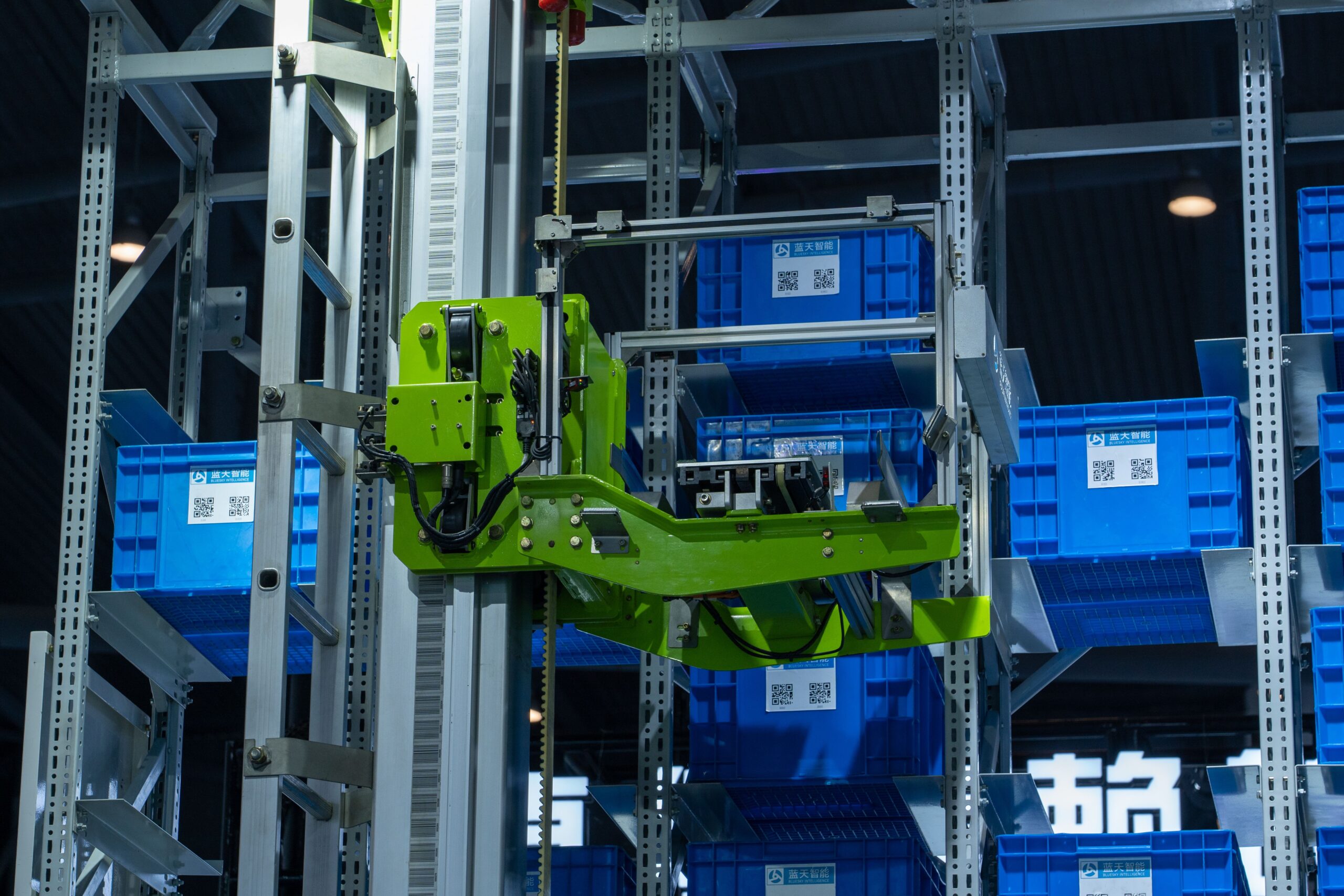
The closing feature moves into the warehouse, where automation is extending beyond predictable storage and picking into trailer loading, container unloading, freezer handling, and mixed incoming goods. As those systems multiply, control software, interfaces, maintenance responsibility, and recovery from failure become as important as nominal robot performance.
Taken together, Issue 4 treats resilience less as a defensive measure and more as an operational property that has to be engineered.
IN Supply Issue 4 is available now.
Read a preview below, or subscribe to IN Supply to read the full magazine here.