The UK Government has launched a £700 million programme to accelerate major industrial and commercial developments in the UK, targeting sites where established investor interest is being held back by infrastructure, planning or financing constraints. The Strategic Sites Accelerator will initially support between six and ten locations through a combination of finance, advice and coordinated work with developers and local authorities.
The scheme brings together the Office for Investment and the National Wealth Fund, with property consultancy CBRE acting as national delivery partner. Its ambition is to mobilise up to £2 billion of private investment over time, although individual projects will be subject to commercial assessments, due diligence and approvals before public money is committed.
The accelerator can provide equity, debt, targeted grants and technical assistance to address whichever constraint is preventing a commercially viable site from progressing. Eligible developments must show credible occupier demand and a plausible route to raising most of the required finance from the market.
Potential locations under discussion include manufacturing campuses, science parks and innovation districts in Glasgow, Burgess Hill and Sheffield. The programme is also exploring opportunities with partners in Greater Manchester, West Yorkshire, the West Midlands, South Yorkshire, the Liverpool City Region, the North East and Cardiff Capital Region. These locations are part of the emerging project pipeline, with individual financing decisions still subject to appraisal.
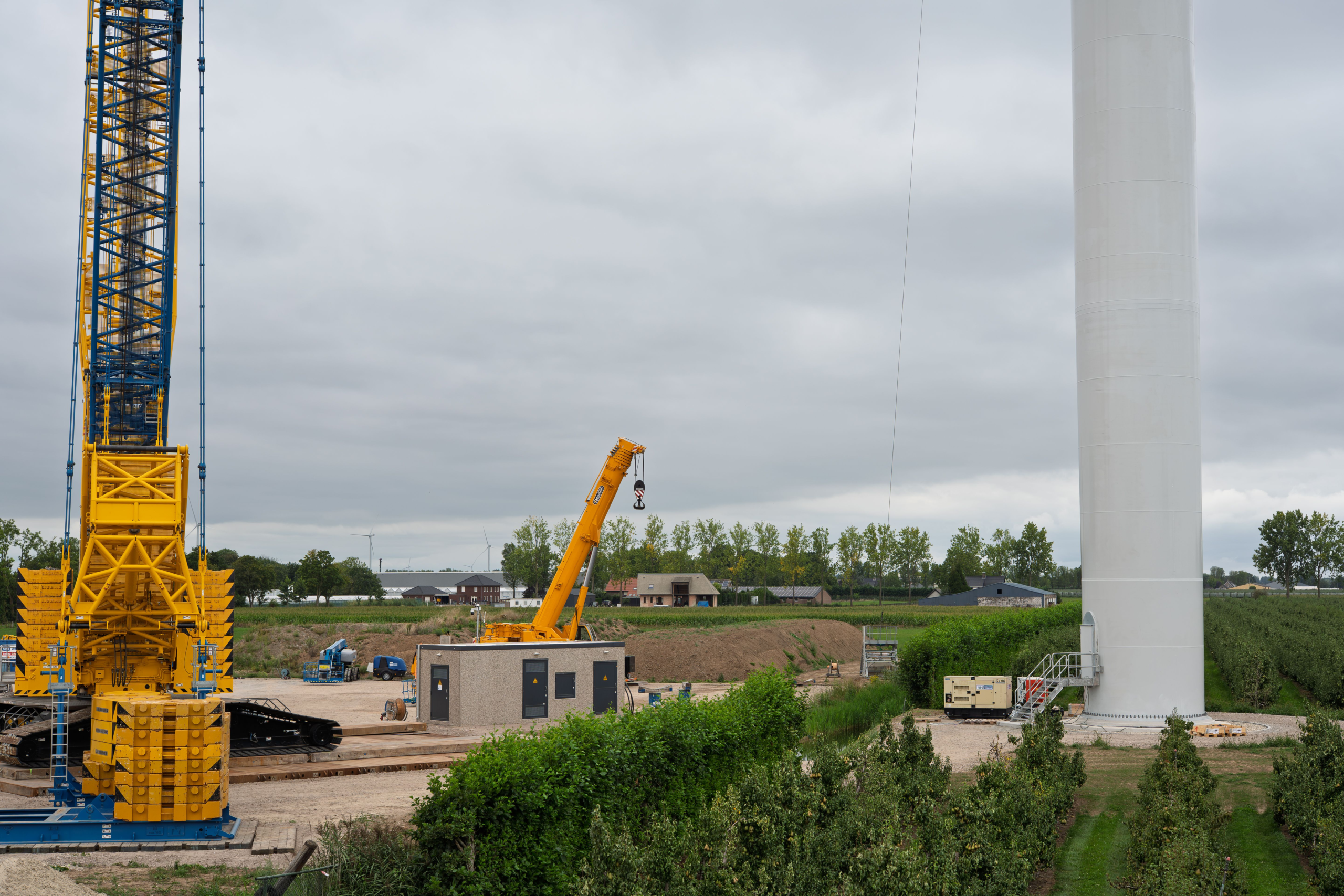
The engineering obstacles faced by large industrial sites often extend beyond securing a serviced plot. An occupier may require substantial electrical capacity, process water, wastewater treatment, heavy-vehicle access and space for utility corridors before production equipment can be installed. Each dependency can have a different owner, permitting route and construction timetable, making it difficult for a developer to offer an investment-ready facility on a commercially useful schedule.
Grid connection capacity is a particular issue for energy-intensive manufacturing. A factory with high electrical loads cannot necessarily proceed simply because an industrial building has planning consent. Developers may need to coordinate network reinforcement, substations and site-side distribution before tenants can make credible commissioning plans. Where these investments precede occupancy, the developer also carries capital costs without an immediate operating return.
Environmental assessments, transport connections and utility works can each depend on separate authorities and infrastructure operators. Their timetables must be coordinated with site preparation and planning permission: a delay to a grid upgrade or access road can postpone an occupier’s equipment installation even where the main building could proceed.
Government-backed finance could bring forward those enabling works, while technical support helps developers and public bodies align the decisions needed to deliver them. Each intervention must address a defined viability or delivery constraint; the programme will assess individual proposals before determining the appropriate combination of funding and advice.
Applicants must demonstrate that their development team and supply chain have experience delivering comparable projects. They must also establish a credible route to raising the majority of the required funding commercially. Those tests are intended to distinguish developments capable of moving towards construction from earlier concepts without committed demand or a deliverable financing plan.
The pilot has a two-stage application process. An initial sift requests information about the site, its stakeholders, planning status and high-level financial needs. Shortlisted applicants will then be asked for more detailed evidence covering project finances, barriers to delivery and the proposed economic impact. The first application window closes at 11.59pm on 19 January 2027.
Government expects the programme to begin investing in selected sites by the end of March 2027. The longer-term employment ambition runs to tens of thousands of jobs, directly and indirectly, but those numbers depend on the chosen sites being developed and attracting businesses that actually occupy and operate them.
The selection of funded sites will establish which proposals can move beyond technical assessment and into delivery. Developers will need to align land preparation, transport access, power supply and water services with the construction schedules of prospective occupiers, rather than complete infrastructure in isolation. Grid operators and planning authorities can influence those dates as much as the availability of finance. An investment site only becomes usable for production once equipment can be installed, commissioned and supplied with the necessary utilities. The programme’s longer-term employment and private investment ambitions depend on those physical works being delivered and businesses subsequently occupying the sites. During appraisal, applicants will have to establish which pieces of enabling infrastructure are essential to their proposed industrial use and which can be financed by future occupiers or commercial partners.