RELEX Solutions has expanded its RELEX Open platform with capabilities for connecting planning applications, business knowledge and AI agents across supply chain, manufacturing, merchandising and operations. The architecture is designed to help decisions made in one function reflect constraints elsewhere, building on the company’s existing forecasting and replenishment systems. RELEX is developing customer-specific extensions alongside its longer-term approach to coordinating agents between functions.
A production schedule can appear feasible until procurement identifies a material shortage, just as releasing inventory to fulfil one order can leave another customer without stock. Those conflicts arise because planning applications often optimise their own objectives using separate datasets and operating rules. RELEX is connecting the relevant context so that a proposed change to purchasing, stock or scheduling can be assessed against the effects it creates further along the value chain.
RELEX Open builds on the company’s existing applications for forecasting, replenishment, merchandising, pricing and operations. These capabilities use a unified operational data model, which provides a common representation of product demand and supply conditions. The new architecture adds methods for external applications, customer-developed logic and AI agents to work with that foundation, including application programming interfaces, Model Context Protocol connections and plugins.
The shared knowledge graph maps links between business processes, systems, teams, decisions and performance indicators. It supplies operational context alongside forecasts and transaction data: a stock target may be constrained by supplier lead times, available production capacity and the consequences of a missed delivery. Those relationships can be expressed as connected entities, allowing applications to identify which other functions should be consulted before a recommendation moves forward.
Keeping that representation current is part of the engineering challenge. Supplier availability, factory routing and product configurations can change independently, and a planning recommendation based on an outdated relationship will still be unsuitable even when the underlying calculation is accurate. RELEX says its graph can also capture the institutional knowledge used by experienced planners, allowing agents to work with operating practices rather than relying solely on transactional records.
The company describes RELEX Open through three connected capabilities. Built to deploy supplies established planning intelligence, embedded AI and a unified operational data model. Built to extend opens that foundation to customer applications and external systems through APIs, Model Context Protocol connections and plugins. Built to orchestrate is intended to let agents exchange context, coordinate actions across functions and show how a recommendation was reached. The distinction between existing planning applications, customer-specific extensions and the broader orchestration vision is important when assessing what a deployment currently does.
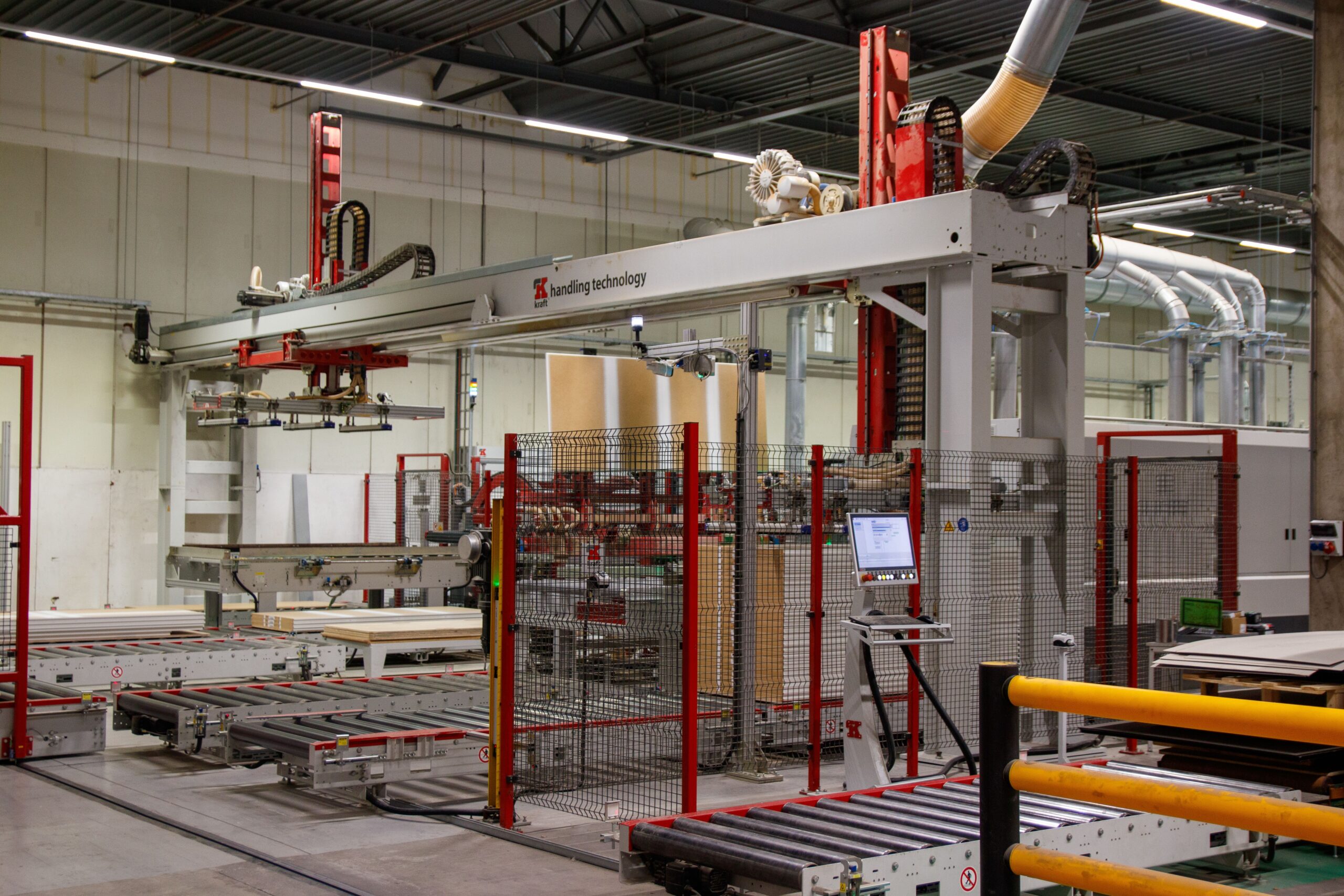
A change in manufacturing demand can alter the preferred production sequence, but the available options remain limited by changeover times, batch sizes, shelf life and materials that may come from a single supplier. A planning agent therefore needs constraints from the physical plant as well as demand forecasts. A revised replenishment proposal can be useful only if the factory can complete the resulting production orders and the material reaches the line when required.
Governance determines whether an agent can inspect information, recommend a change or commit it. RELEX describes security, transparency, explainability and human oversight as elements of the platform, giving organisations control over how agents access information and act. Approval requirements can differ between a low-risk planning suggestion and an order that changes procurement commitments or the sequence of manufacturing operations.
RELEX is developing individual extensions with customers while expanding the shared architecture. Sprouts Farmers Market is working with store teams to refine replenishment workflows, and an unnamed major European food retailer is collaborating with RELEX engineers on supplier planning constraints specific to its operating model. RELEX says the first capability for that European customer was developed within days and ready for production use within weeks.
The two applications face different time horizons. Store replenishment responds to frequent sales changes, waste and delivery schedules, while suppliers and manufacturers may be committed to longer production runs or material lead times. Connecting the decisions could allow a change in demand to be compared with physical inventory and feasible manufacturing capacity before any purchase or production instruction is altered.
Factories and distribution networks rarely operate on a single software platform. Enterprise resource planning, warehouse management and production systems may hold different elements of the same order, and their data may be refreshed at different intervals. RELEX Open is designed to connect them without wholesale replacement, although implementation still requires consistent identifiers, dependable data mapping and permissions appropriate to each system.
A recommendation also needs a reliable time reference. Inventory recorded at the end of the previous shift may no longer be available, while a manufacturing control system may reflect a change made seconds earlier. The interval between those updates determines which decisions can safely be automated and which need verification. Keeping a record of the data used and the resulting actions helps operators investigate a missed delivery or an unexpected planning result.
A US grocer also moved fresh ordering and inventory functions onto RELEX within a quarter, while a European convenience retailer piloted dynamic markdown recommendations. These applications provide established planning workflows that can be connected with supplier and operational constraints as RELEX develops wider coordination between agents.
RELEX Open now combines existing planning applications with methods for building extensions and sharing operational context. The company’s current customer work provides a route to test that architecture against supplier constraints and production data, while the extent of automated execution will depend on the systems connected and the controls each operator chooses to apply.