Ericsson has introduced a drone detection system that uses elements of existing 5G mobile networks as a distributed sensing platform, with selected small-scale commercial pilots planned for 2027. The Ericsson Integrated Sensing and Communication, or ISAC, System is designed to locate and track moving objects even when those objects are not connected to a mobile network.
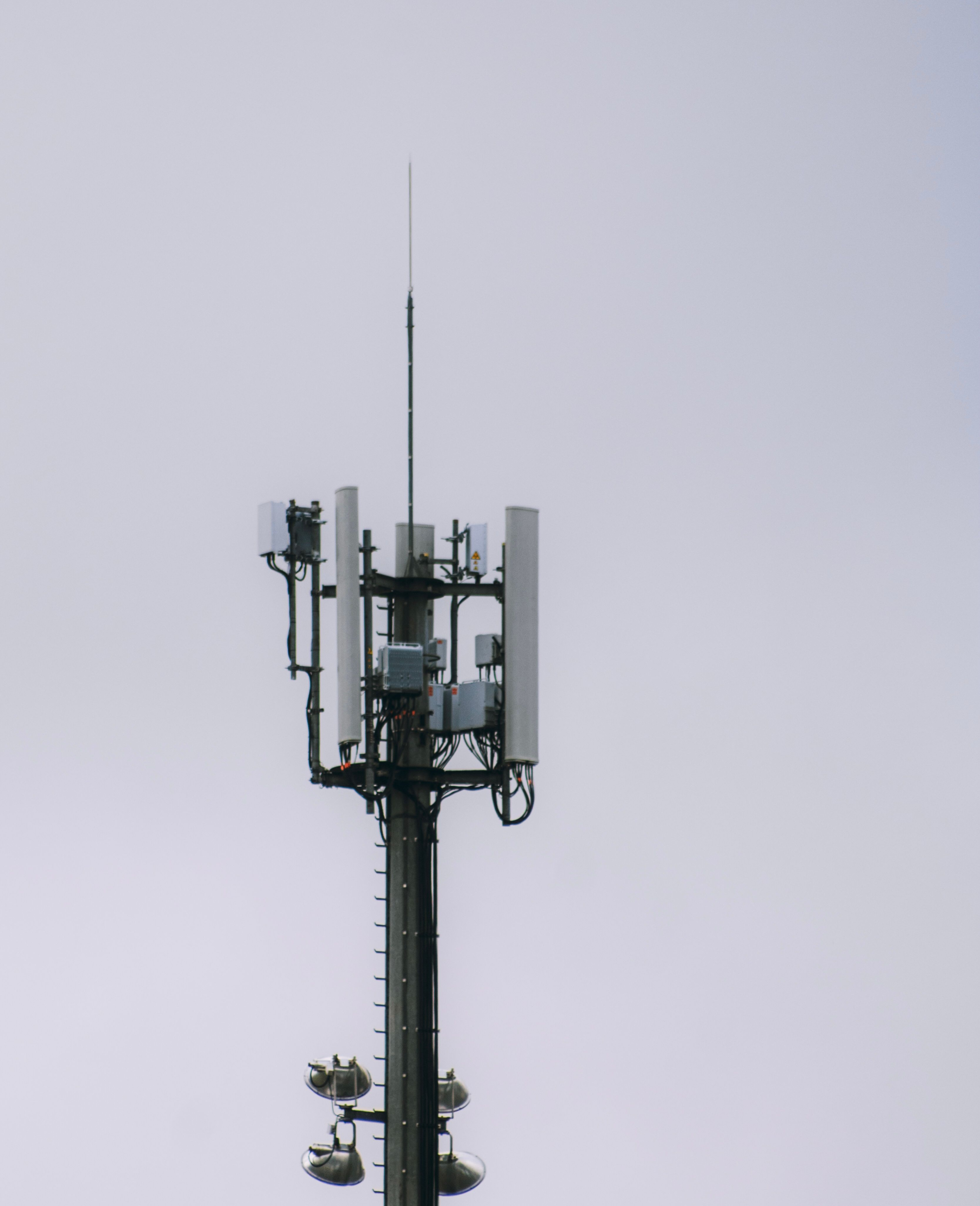
The system combines sensing-capable radio equipment, signal processing, artificial intelligence and edge computing with mobile-network towers, spectrum and backhaul. Rather than requiring a drone to transmit an identifying signal, it examines how radio energy is reflected by the object as signals travel through the surrounding environment. Ericsson is targeting public safety, defence and the protection of critical infrastructure in its first applications.
Ericsson’s sensing configuration uses signals transmitted and received from geographically separated radio sites, a multistatic arrangement in which an object can be observed from different directions. Signal processing combines those observations into an estimated location and moving track. The position of each site and the surrounding terrain influence the angles available for detection, so network coverage and sensing coverage are not identical.
Radio reflections from buildings, vehicles and other structures complicate the task. A sensing processor must separate signals associated with moving targets from the background and maintain a consistent track as the object changes position. Machine learning may help classify the observed activity, but the measured location still depends on radio conditions, sensor configuration and the quality of the underlying observations.
In Ericsson’s tests, the system has tracked micro drones at kilometre-scale distances and produced three-dimensional location estimates. Those demonstrations establish a capability under the tested conditions, while the range and consistency available at an industrial site will depend on the drone’s size and motion, radio interference, surrounding structures and the placement of sensing radios.
The equipment is designed to supplement existing radar, acoustic sensors and other security systems. Radar provides an established method of detecting reflective objects, while acoustic systems can recognise characteristic sound signatures at suitable distances. Mobile-network sensing offers a potentially wider distributed observation layer where towers already exist, although the methods will still have different strengths and coverage limitations.
Ports, power stations and transport facilities can span areas that are difficult to monitor with sensors installed only along a site boundary. Observations from several mobile-network locations may extend the available tracks beyond one perimeter, provided the radios are suitable for sensing and the network geometry supports the area concerned. Detection information then has to reach an authorised security system in time for staff to assess the object and the appropriate response.
Ericsson has demonstrated the approach with AT&T in Arlington, Texas, where dashboards displayed detected drone movements. A separate project with Finland’s Erillisverkot used multiple 5G locations to monitor drones, while a Polish demonstration involved Ericsson, mobile operator Play and technology company Asseco, combining network sensing with Asseco’s acoustic detection equipment.
Testing near Helsinki’s Vuosaari harbour placed sensing equipment in an environment containing maritime infrastructure and moving objects. A position estimate becomes operationally useful when the system can maintain a track across successive observations and deliver it to the people responsible for evaluating the activity. The Finnish programme tested that distributed sensing approach in conjunction with existing mobile infrastructure.
Ericsson proposes interfaces through which sensing tracks can be supplied to authorised security and command systems. Those platforms may fuse them with radar, optical or acoustic observations, while operating procedures must account for uncertain detections and periods when individual radio sites are unavailable. The deployment therefore has both network configuration and security-system integration requirements.
The system adds a sensing workload to radio infrastructure principally designed for communications. It uses suitable 5G radios, edge processing and data transport to generate and distribute track information, with the communications service and sensing function requiring coordinated network resources. Ericsson’s initial commercial phase will be sensing-only; integrated communications functionality is planned as the architecture develops towards 6G.
Selected small-scale commercial sensing pilots are expected in 2027, followed by broader deployments from 2028. Those deployments will provide evidence about site coverage, track continuity and integration under real operating conditions, ahead of Ericsson’s longer-term intention to combine communications and sensing more fully.
Deployment at an industrial facility will require a survey of available mobile sites, radio geometry and existing security arrangements. The system can add a further detection layer, but response procedures and suitable complementary sensors will still determine what action follows an alert. The first selected pilots will establish how the distributed tracking approach performs beyond the demonstrations already completed.