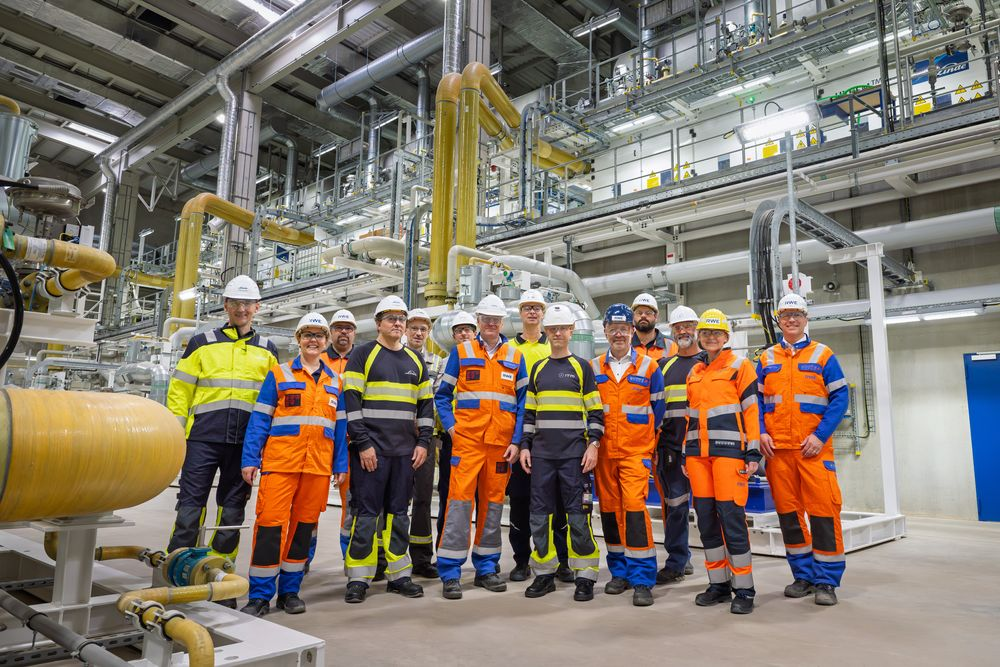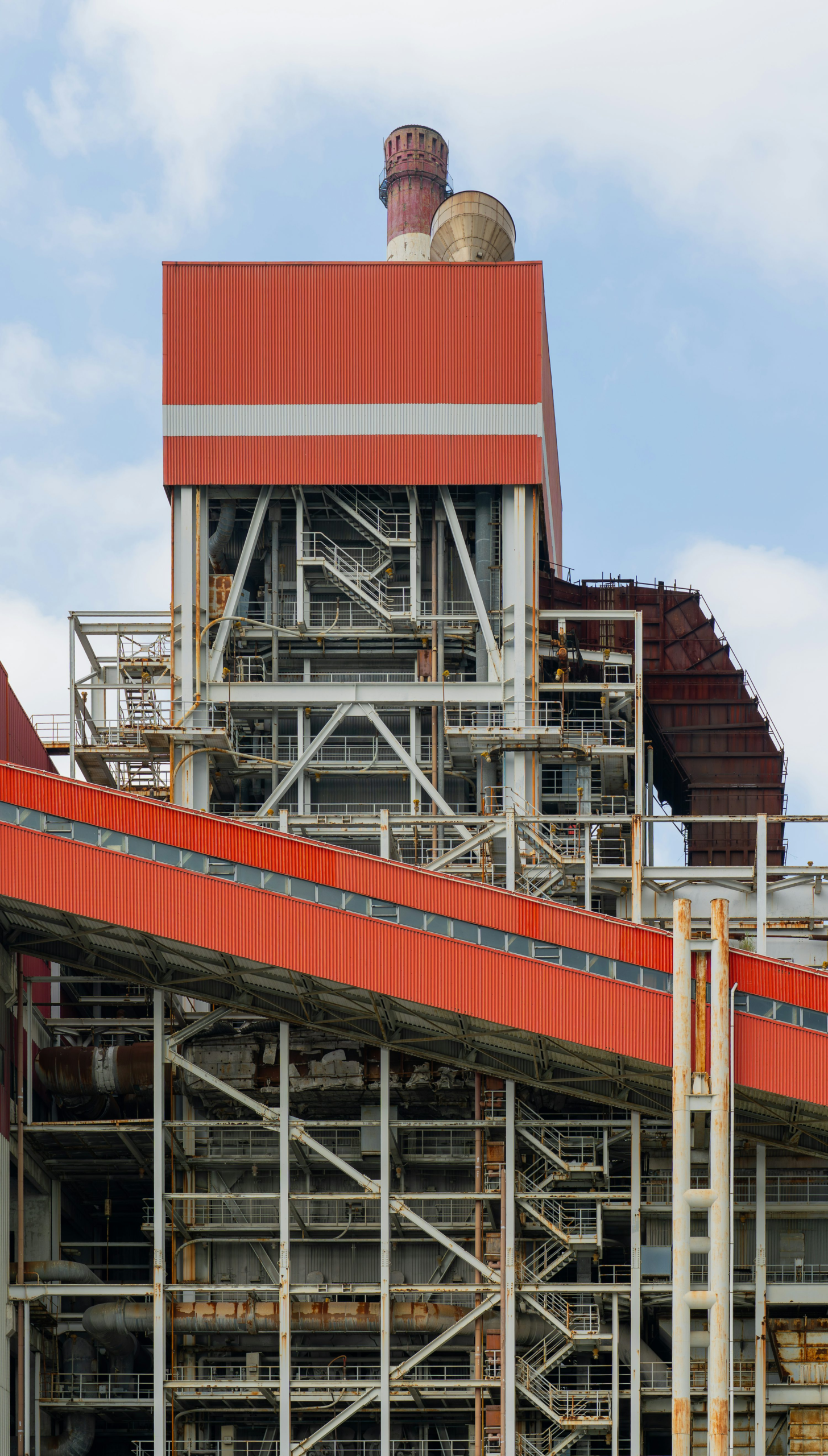
Holcim has commissioned a calcined-clay production line at its Čížkovice plant in the Czech Republic, adding more than 115,000 tonnes of annual mineral-component capacity for lower-clinker cement manufacture.
The approximately CZK1 billion investment is the largest undertaken by Holcim Czech Republic. Around CZK330 million has been provided through the Czech Ministry of the Environment’s Modernization Fund, while the new line is intended to support production of up to 580,000 tonnes of ECOPlanet cement each year.
The plant will use clay sourced from Holcim’s local quarry and thermally process it before the material is incorporated into cement as a partial substitute for clinker. Holcim says the resulting cement can have a carbon footprint around 30% lower than conventional alternatives without compromising required performance.
The industrial significance lies in the clinker substitution rather than the clay itself. Clinker is produced by heating limestone and other raw materials at high temperature, creating emissions both from the fuel used to operate the kiln and from the chemical conversion of calcium carbonate during calcination.
Reducing the amount of clinker required in each tonne of cement can therefore lower emissions before more capital-intensive measures such as carbon capture are considered. Producers have long used supplementary cementitious materials to achieve that effect, but some conventional sources are becoming less predictable as coal-fired electricity and blast-furnace steelmaking decline in parts of Europe.
Calcined clay provides another route where suitable geological material is available. Heating clay changes its mineral structure and creates a reactive material that can contribute to the cementitious system when combined with clinker and other constituents.
The process requires substantially less severe thermal treatment than conventional clinker manufacture, but it still has to be engineered carefully. Raw clay can vary in mineralogy and moisture content, while calcination temperature, residence time, grinding, particle distribution, and final blending all affect the performance of the material entering the cement.
That makes the use of locally quarried feedstock an operational advantage only if the plant can manage geological variation consistently. Holcim gains a short, directly controlled supply route, but the production system must still turn a naturally variable raw material into an industrial constituent with repeatable characteristics.
The relationship between the line’s 115,000-tonne calcined-clay capacity and 580,000 tonnes of annual cement output illustrates the leverage provided by partial substitution. Calcined clay forms only part of the finished formulation, meaning a smaller dedicated process line can influence a much larger volume of cement production.
Performance remains the limiting factor. Cement and concrete customers require predictable early and later-age strength, setting behaviour, workability, durability, water demand, and compatibility with admixtures. Higher substitution levels are commercially useful only where those properties remain within the requirements of the intended construction application.
The Čížkovice line therefore represents a shift from development work towards routine industrial manufacture. Rather than relying on limited trial batches or externally supplied material, Holcim now has permanent production equipment intended to feed calcined clay directly into its Czech cement portfolio.
The company has already introduced similar technology elsewhere. A calcined-clay operation at Saint-Pierre-la-Cour in France was developed to support up to 500,000 tonnes of lower-carbon cement annually, while further capacity has been installed in other markets as Holcim expands the range of mineral components available to reduce its clinker factor.
That broader strategy matters because there is no single raw-material solution for every cement plant. Slag availability depends on steelmaking, fly ash on thermal power generation, natural pozzolans on geology, and recycled cementitious material on demolition and processing infrastructure. Calcined clay adds another feedstock option rather than replacing those routes universally.
Holcim is targeting a lower clinker factor across its cement operations, making mineral-component availability increasingly important to production planning. Plants need enough suitable substitute material to sustain high-volume cement output without compromising specifications or becoming dependent on long-distance transport.
The Czech project addresses that issue with a local source and dedicated process equipment. It also reduces the proportion of the emissions problem that later decarbonisation technologies have to solve: every tonne of clinker avoided is a tonne whose process emissions do not subsequently need to be captured.
The economics will depend on more than the headline investment. Quarrying, clay preparation, calcination, grinding, handling, quality control, energy consumption, maintenance, and market demand all determine the cost of using the material at scale.
Čížkovice has nevertheless moved the technology into an operating production environment. The next useful measure will be how consistently the line delivers its planned output and how much clinker it actually displaces across commercial cement production — rather than how much capacity is written on the nameplate.