Greenland Mines has secured government approval for the transfer of the exploration licence covering the Sarfartoq Carbonatite Complex, removing a key regulatory condition from its planned acquisition of the rare-earth project from Neo Performance Materials.
The Government of Greenland, through the Ministry of Business and Mineral Resources, approved the indirect transfer of Mineral Exploration Licence MEL 2020-32 under Section 69(1) of the Greenland Mineral Activities Act. The licence covers the Sarfartoq complex in southwest Greenland and forms the central asset in the transaction agreed between Greenland Mines and Neo.
The approval does not complete the acquisition, but it clears one of the principal jurisdictional conditions attached to the change of control. Greenland Mines agreed in May to acquire the project for consideration valued at US$35 million, comprising US$20 million in cash and US$15 million in shares.
Neo is expected to retain a strategic interest following completion and has secured rights to purchase up to 60% of future Sarfartoq production. The arrangement gives any eventual output a potential commercial route into an established rare-earth materials business, although production remains dependent on further project development.
Sarfartoq is particularly associated with neodymium and praseodymium, which are used in high-performance permanent magnets for electric motors, industrial automation, wind turbines, aerospace equipment, and other applications requiring high magnetic strength in a relatively compact component.
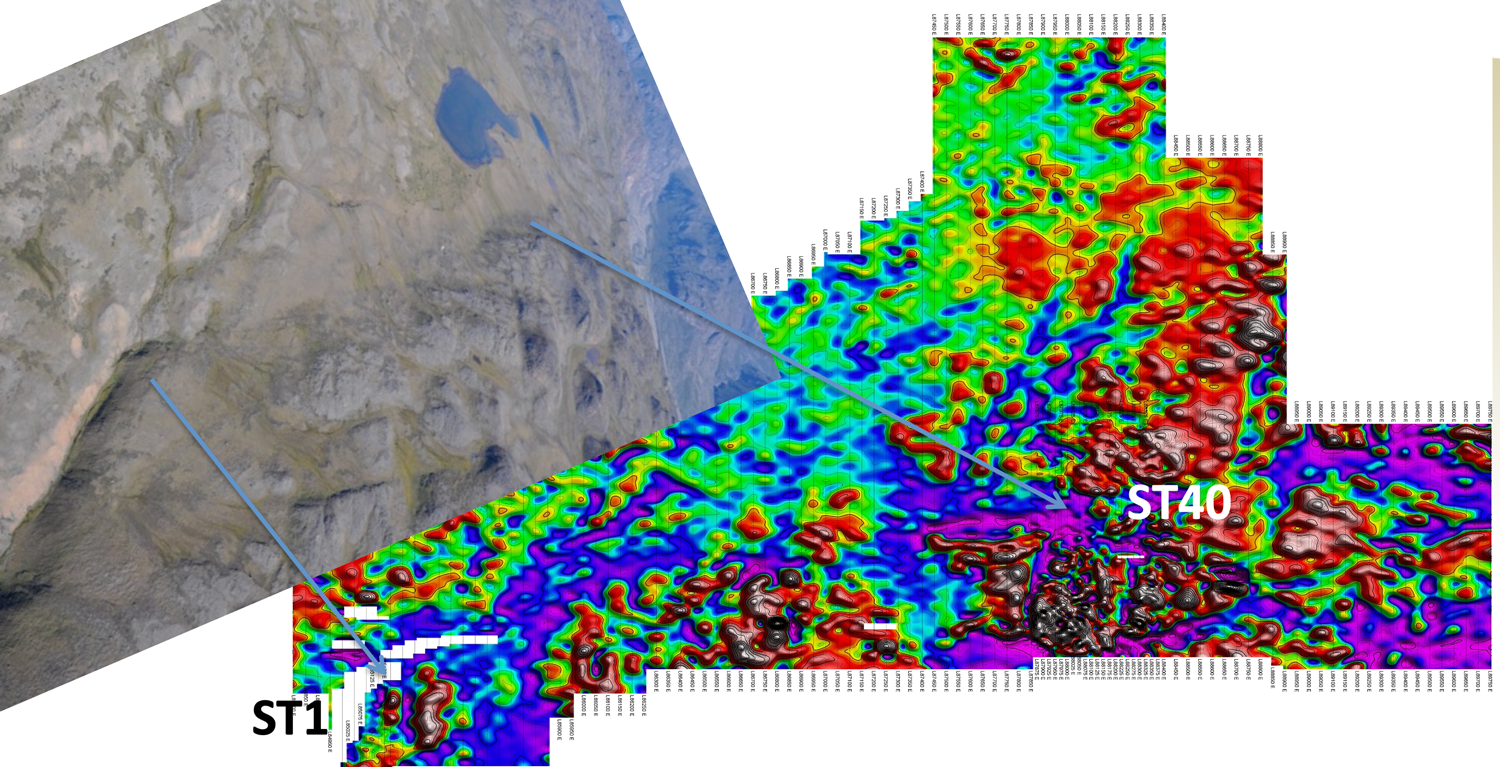
The project’s ST1 zone is reported to contain a relatively high proportion of those magnet materials, with Nd-Pr representing between 25% and 40% of total rare-earth oxides in the mineralisation. Greenland Mines also points to more than 15 years of previous exploration, over 23,000 metres of drilling, metallurgical testing, environmental baseline work, a historic mineral-resource estimate, and an earlier preliminary economic assessment.
That technical history provides a substantial body of project data, but Sarfartoq remains a development asset rather than a near-term source of industrial material. Further engineering, permitting, financing, mine development, processing work, and logistics would be required before a saleable rare-earth product could reach downstream customers.
The distinction is important because extracting rare-earth-bearing material is only the first stage of a considerably longer industrial chain. Ore must be concentrated and the constituent elements separated and refined before they can be converted into alloys and permanent magnets with the chemistry, purity, and consistency required by manufacturers.
Processing capacity has become as strategically important as geological resource ownership. A mine in a new jurisdiction does little to diversify industrial supply if its material still depends on the same concentrated processing network further downstream, leaving separation and refining technology central to the commercial case for new projects.
The proposed relationship with Neo could help connect Sarfartoq with expertise beyond the mine itself. Neo operates in the production of advanced industrial materials and rare-earth magnet products, giving the transaction a downstream connection that many early-stage mineral developments lack. Its proposed offtake rights nevertheless remain contingent on the project reaching production.
Infrastructure will influence that timetable. Sarfartoq benefits from sheltered fjord access and an existing exploration camp, while the developer has identified nearby hydroelectric resources as a potential advantage for future operations. Those features may reduce some development constraints, but construction and operation in Greenland still require careful management of transport, weather, workforce, equipment, and seasonal access.
The project is also emerging as Western governments and industrial groups seek additional sources of critical minerals used in electrification and advanced manufacturing. Rare-earth magnet demand links upstream mining decisions with sectors including automotive production, robotics, power generation, electronics, and defence, placing greater scrutiny on both supply security and processing location.
Qualification will matter as much as extraction volume. Permanent-magnet supply chains depend on tight control of chemistry and impurities, while downstream customers need repeatable material performance across large production runs. Any new source must therefore prove that its concentrate and separated products can meet specifications consistently enough for industrial buyers to qualify them.
Sarfartoq is one of several projects attempting to turn that strategic interest into an operating supply chain. The industrial test will come through engineering and commercial milestones rather than resource figures alone: defined processing routes, updated technical studies, environmental approvals, financing, construction, and ultimately consistent product qualification.
The Greenland approval removes one uncertainty from that sequence. Completion of the acquisition would transfer control of a well-explored asset with an identified strategic partner, but the distance between licence ownership and magnet-grade material remains considerable. Sarfartoq will become industrially significant only if the next stages convert its geology into repeatable production.