Confidence among UK food and drink manufacturers remained firmly negative during the second quarter of 2026, extending an uninterrupted run of pessimistic readings to nine quarters despite recovering substantially from the severe decline recorded at the start of the year.
The latest State of Industry survey from the Food and Drink Federation recorded a net business confidence score of -31% in Q2, compared with -64% in the first quarter. The movement indicates that conditions deteriorated less sharply, rather than showing a sector in broad recovery.
Ninety-one per cent of respondents said business conditions were either unchanged or worse than in Q1. Looking over a longer period, 88% said conditions had deteriorated since Labour came to power following the 2024 general election.
The survey itself was carried out between 13 April and 1 May, before Andy Burnham became Prime Minister on 20 July. The results therefore describe conditions inherited by the new administration rather than manufacturers’ reaction to policies introduced since the change in leadership.
Production costs remain one of the industry’s most persistent constraints. Food and drink manufacturers reported an average increase of 3.8% over the preceding 12 months across labour, energy, ingredients, packaging, transport, and other operating inputs.
Margin pressure is feeding directly into investment intentions. Eighty-seven per cent of respondents have no plans to increase investment in skills over the next year, while 84% do not expect to increase research and development expenditure. Plant and machinery remains more resilient than those categories, but manufacturers are still making capital decisions against a weak confidence backdrop.
The Middle East conflict has added another layer of cost volatility. More than a third of respondents reported increases of between 5% and 10% associated with the disruption, while the underlying FDF survey records an average conflict-related cost increase of 2.4% across respondents.
The exposure is uneven. Smaller manufacturers generally have less purchasing leverage, fewer hedging options, and less working capital with which to absorb sudden increases in energy, ingredients, freight, or packaging costs. Cost shocks can therefore move more quickly from the purchasing ledger into decisions on recruitment, machinery, product pricing, and production volumes.
Manufacturers have so far absorbed a substantial proportion of the additional pressure. The FDF data shows many businesses delaying full price recovery, although a growing share expects consumer prices eventually to rise as maintaining compressed margins becomes progressively harder.
That lag matters industrially because the same margin that absorbs an unexpected energy or ingredient increase would otherwise fund maintenance, production equipment, automation, skills, digitalisation, and new product development. A business can protect its customers from a shock for a period, but doing so is rarely cost-free inside the factory.
Balwinder Dhoot, Director of Growth and Sustainability at the Food and Drink Federation, said: “Rising costs and policy uncertainty are dampening investment, so it’s no wonder that the mood among food and drink manufacturers has been persistently low.”
Employment policy is the clearest request from manufacturers ahead of the new government’s first Budget. Three quarters of respondents want labour costs not to increase faster than inflation, rising to 91% among SMEs, following earlier changes to employer National Insurance contributions and the National Living Wage.
Energy is another priority, with 56% calling for measures to reduce business energy costs. Half want the government to review regulation to reduce the cumulative burden on manufacturers, while 50% support implementation of the sanitary and phytosanitary agreement intended to reduce friction in food and drink trade with the European Union.
Extended Producer Responsibility charges, advertising restrictions, employment costs, food regulation, and trade requirements have increasingly arrived at the same time as manufacturers are trying to manage volatile input prices. Individually, each policy can have a defined objective; collectively, their timing determines how much capital and management capacity remains for investment elsewhere.
The sector is also exposed to agricultural and climate effects that manufacturers themselves cannot control. Drought across parts of Europe has increased concern over the availability and cost of agricultural ingredients, adding another source of pressure to businesses already dealing with energy and geopolitical volatility.
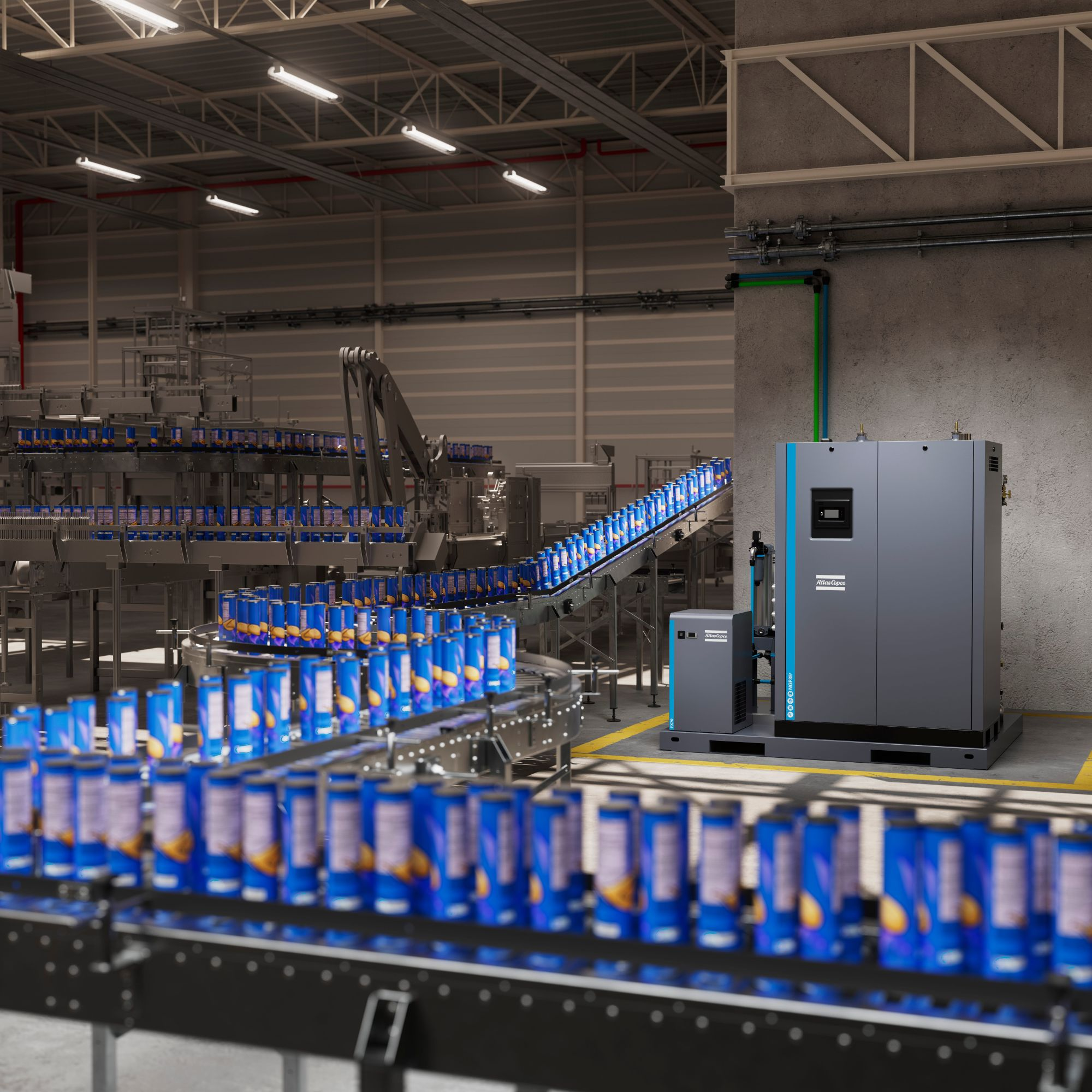
Automation remains one response where companies can justify the capital expenditure. Investment in machinery can reduce repetitive labour requirements, improve yield, stabilise quality, and collect production data, although those gains have to be sufficient to offset financing costs and the wider reluctance to commit capital while demand and policy remain uncertain.
The improvement from -64% to -31% is therefore useful but easily overstated. Confidence remains negative, manufacturers are still limiting expenditure in several long-term categories, and most businesses have yet to report an actual improvement in operating conditions.
The first Budget under Burnham will give the sector a clearer view of labour, energy, tax, and regulatory costs. For manufacturers deciding whether to approve the next production line, training programme, or R&D project, the relevant test will be whether those costs become predictable enough to make the investment case work again.