The government has announced plans to create Great British Grid, a publicly owned electricity network body intended to compete for connection projects, support businesses building their own connection infrastructure, and accelerate delivery of new grid capacity.
The proposed organisation will sit under the Great British Energy umbrella and work alongside existing privately owned network companies rather than replacing them. Its initial role is expected to include investment in transmission connection projects and co-investment with businesses that choose to finance and build connection infrastructure themselves. Ministers have also set a wider objective of bringing UK energy costs closer to European levels within a decade, although the capital allocation and detailed operating model for Great British Grid have not yet been set out in full.
Connection speed has become as important to many industrial projects as the unit price of electricity. Large manufacturing sites, data centres, electrified process plants, storage schemes, and new generation projects all compete for network capacity, while reinforcement work can add years to an investment timetable. A plant can have land, planning permission, machinery, and customers lined up and still be unable to operate at the intended scale if sufficient electrical capacity is unavailable when required.
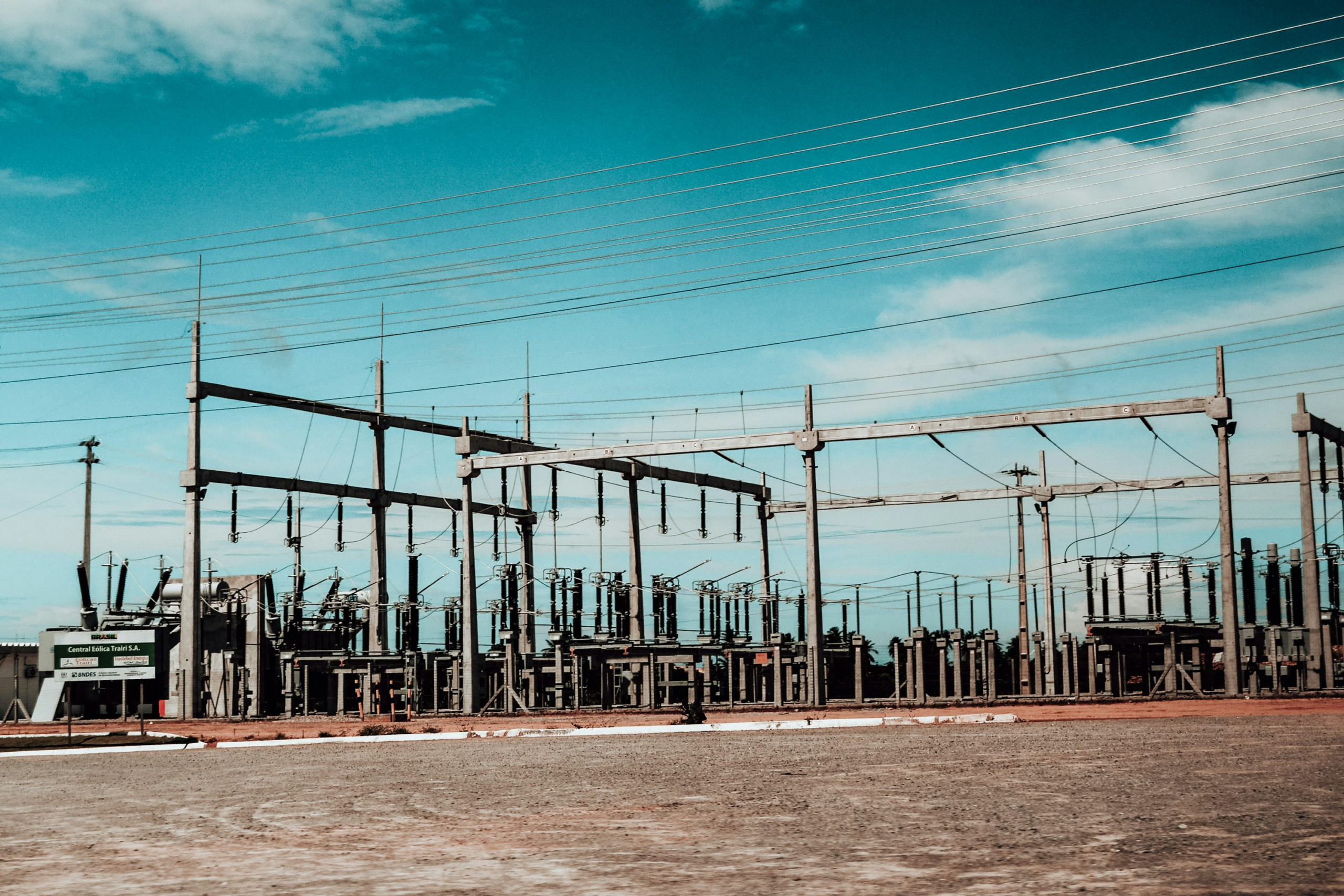
The proposal would expand the ability of businesses and developers to build their own connection infrastructure, with Great British Grid able to support and potentially co-invest in those projects. That changes the delivery route without removing the engineering work involved. New substations, cables, switchgear, protection systems, and transmission assets still have to be designed, consented, procured, installed, and commissioned, placing the same specialist contractors and equipment supply chains under pressure.
Great Britain is already pursuing a wider programme of connections reform. Ofgem is taking forward work on connections data and the customer experience, including clearer service standards, better transparency, and stronger accountability for delivery. The National Energy System Operator and network companies have also been working to remove speculative projects from the queue so that more advanced schemes can progress.
The queue has therefore become an industrial planning constraint rather than a narrow utility issue. Electricity demand is rising at sites replacing gas-fired heat, installing electric furnaces, adding high-power charging, expanding automated production, or bringing energy-intensive digital infrastructure on site. In each case, the electrical connection forms part of the production system, and delays can influence where new capacity is built.
Tata Steel’s Port Talbot programme has already shown how network delivery can move onto the critical path of a major industrial investment. Its high-voltage connection timetable has affected the expected commissioning schedule for the site’s electric arc furnace. The particulars are different from those facing most manufacturers, but the project demonstrates how grid infrastructure can become inseparable from factory investment.
The Great British Grid plan enters a system where many of the bottlenecks are already understood. The government argues that an additional public participant and greater competition for connection work can increase delivery capacity and give businesses another route to progress projects. Network operators and contractors, however, still face constraints in planning, specialist labour, transformers, cable, switchgear, and other long-lead equipment.
Those constraints become more important as network spending rises. Tens of billions of pounds of transmission and distribution investment are planned over the remainder of the decade, creating additional demand for electrical equipment, steelwork, civil engineering, power electronics, and specialist installation capability. A new network body will draw on many of the same resources unless additional UK and international supply can be brought into the market.
The commercial structure will also determine whether business-led connections become materially easier to deliver. Companies considering a self-build route will need clarity over which assets they can construct, how technical standards will be enforced, who carries cost and performance risk, and how completed infrastructure transfers into the regulated network. Co-investment adds another layer because public capital, private capital, ownership, and operational responsibility will have to align.
Delivery performance will ultimately be judged through physical infrastructure rather than institutional design. Faster application processing has limited value if substations cannot be equipped or cable cannot be installed on time, while additional engineering capacity can be undermined by poor data or uncertain project priorities. The value of Great British Grid will therefore depend on whether it adds deployable capability to a network build programme already competing heavily for people and equipment.
The announcement establishes a new route for government intervention in electricity network delivery, but the industrial outcome remains measurable in straightforward terms: completed connections, energised substations, and investment projects able to start production when planned. The implementation detail will determine whether Great British Grid shortens that path or simply adds another participant to an already complex system.