TotalEnergies, SOCAR, and XRG have taken final investment decision on full field development of the Absheron gas and condensate field in the Caspian Sea, with additional production targeted for start-up in 2029.
The project will increase total field output from its existing first phase capacity of 1.5 billion cubic metres of gas annually to 6 billion cubic metres per year. Condensate production is planned to rise from around 12,000 barrels per day to 47,000 barrels per day when the expanded development reaches its intended production level.
TotalEnergies operates Absheron with a 35% interest, alongside SOCAR with 35% and XRG with 30%. The field lies approximately 100km south-east of Baku and contains around 140 billion cubic metres of recoverable gas reserves, according to the operator.
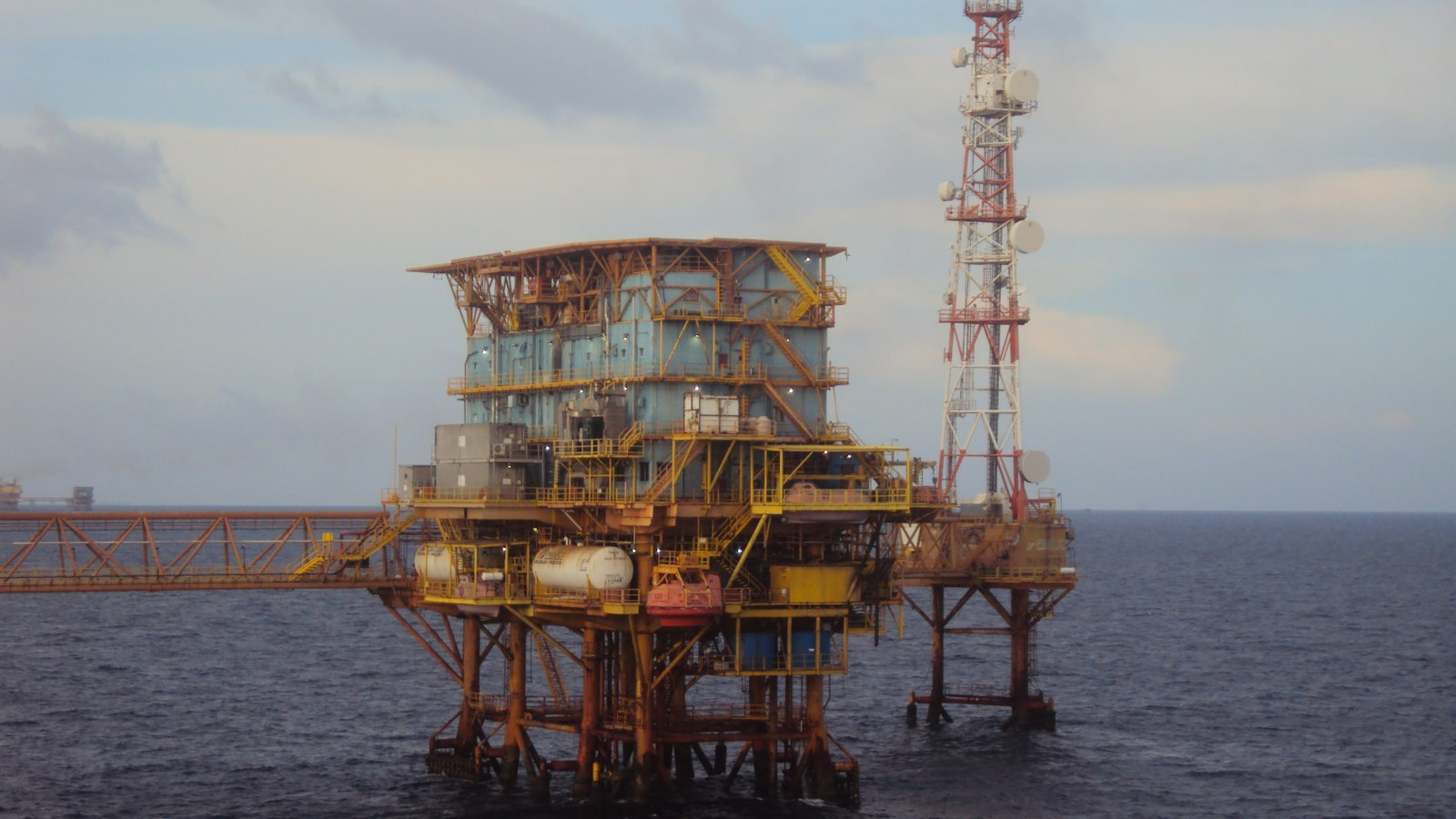
The first development phase entered production in 2023 through a single subsea well connected to a dedicated processing platform near SOCAR’s existing Oil Rocks facilities. Full field development changes the physical scale considerably by adding four subsea wells, a new transport system to shore, and new onshore processing infrastructure.
TotalEnergies says production from the four wells will be transported through a subsea pipeline equipped with advanced automation before entering a fully electrified onshore processing plant. That architecture places a significant portion of the production system below water and on land rather than adding another large offshore processing platform.
A long subsea production route shifts engineering complexity into wells, flow assurance, controls, pipelines, monitoring, chemical management, and intervention planning. Gas and condensate have to travel reliably across the system under changing pressures, temperatures, and production rates, while subsea failures are inherently more difficult to inspect and repair than equipment installed onshore.
The project therefore creates work well beyond drilling. Subsea trees and associated hardware, line pipe, automation, electrical systems, process equipment, compressors, instrumentation, valves, construction, marine installation, commissioning, and inspection will all be required before the additional production can enter the existing regional gas network.
Reaching final investment decision moves those requirements from engineering studies into an executable development programme. Procurement packages can now progress against a sanctioned design, while contractors and suppliers gain a firmer basis for allocating engineering teams, fabrication capacity, vessels, and long lead equipment.
The electrified onshore processing plant is intended to minimise energy consumption and operating emissions. TotalEnergies puts Scope 1 and Scope 2 greenhouse gas emissions intensity for the full field development below 4kg CO2e per barrel of oil equivalent, a figure that covers production operations rather than the emissions created when the resulting gas is eventually consumed.
Using electricity for processing does not remove the energy requirement, but it changes how that demand is supplied and can reduce combustion at the facility where suitable power is available. The final operating performance will depend on equipment efficiency, plant utilisation, power supply, well behaviour, and how the production system performs as reservoir conditions change.
Gas from the expanded field is intended for both Azerbaijan’s domestic market and export to Turkey through existing infrastructure connected with the wider European gas market. Use of established export routes limits the amount of additional transmission construction required beyond the field development, although the upstream programme still requires the new subsea and processing system.
Absheron’s existing production reduces some of the uncertainty faced by a completely undeveloped discovery because the reservoir is already producing commercially. Full field development nevertheless represents a much larger operating system, with more wells, higher throughput, new automated infrastructure, and additional processing equipment that have to be commissioned as an integrated whole.
The 2029 start-up target leaves roughly three years for detailed engineering, procurement, drilling, fabrication, construction, offshore installation, integration, and commissioning. Individual equipment packages provide little value if another section of the production chain is late, so the schedule will depend heavily on coordination between subsea work, the pipeline, onshore construction, and well completion.
The next industrial milestones will therefore come through contract awards, drilling progress, subsea fabrication, pipeline installation, and construction of the electrified processing plant. Final investment decision has settled the question of whether the partners intend to proceed; execution now determines whether Absheron can reach the planned 6 billion cubic metres of annual gas production in 2029.