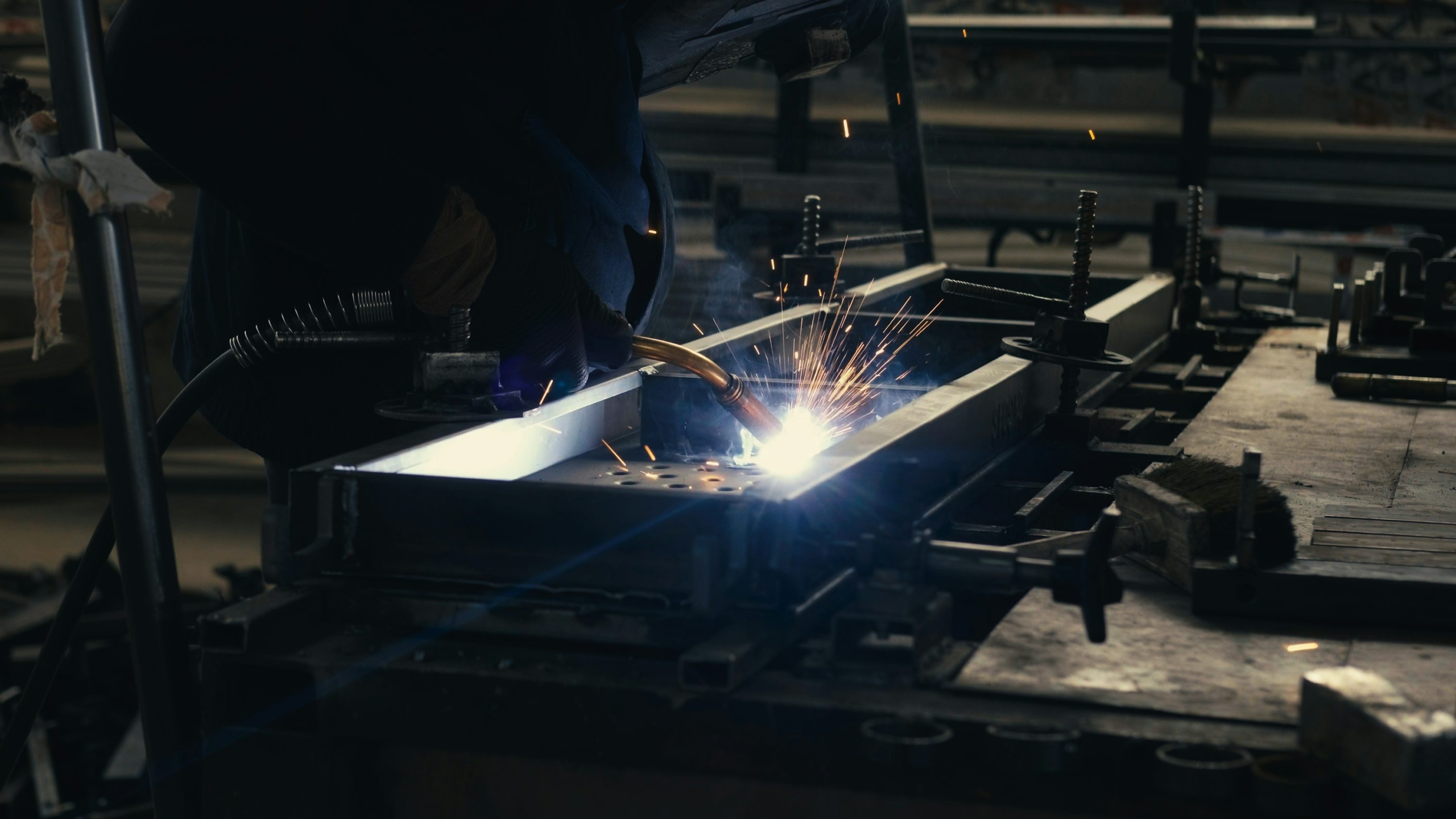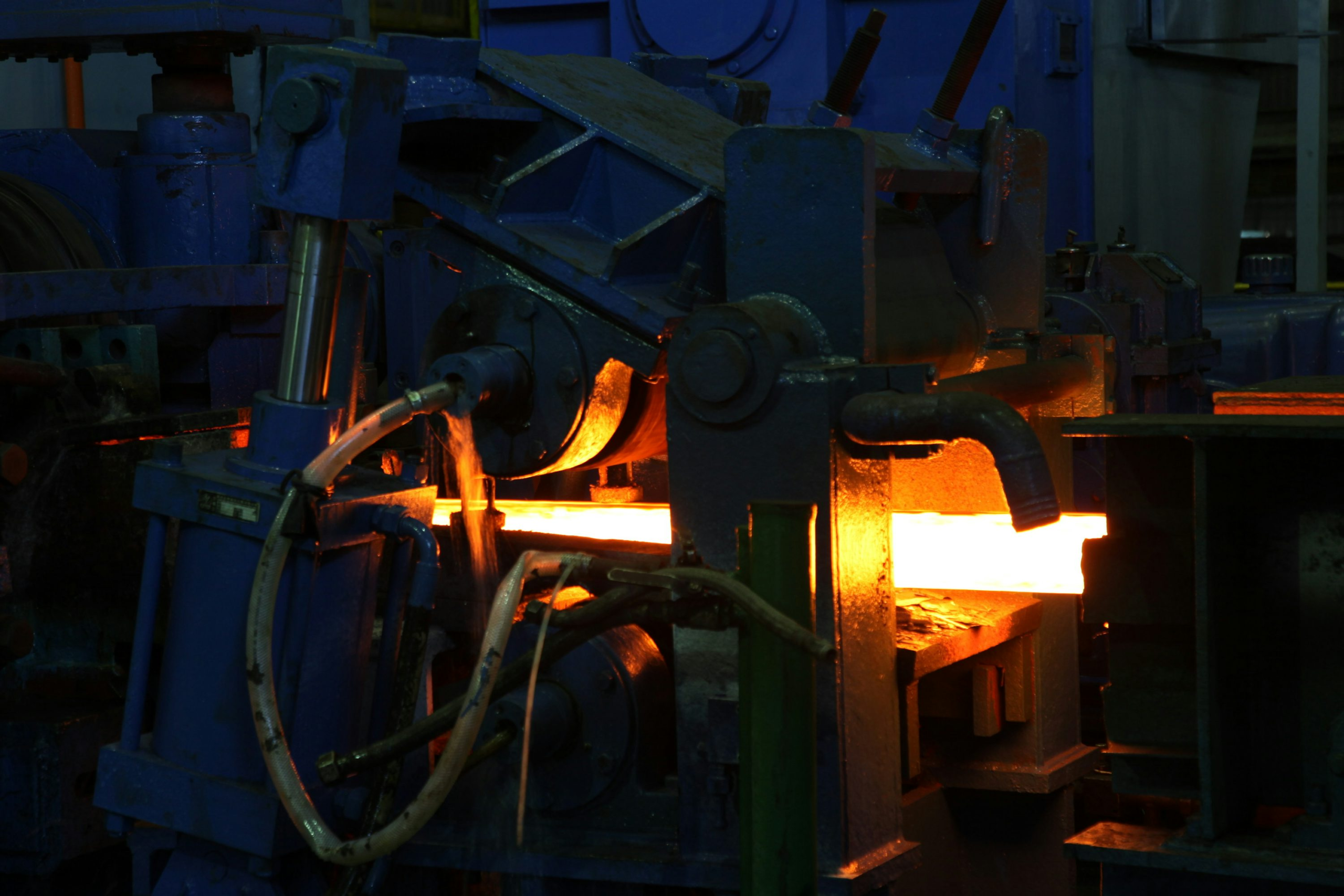
CWE has opened a new wagon overhaul facility at Gascoigne Wood in North Yorkshire, bringing rail-connected overhaul, refurbishment, engineering modification, fabrication, component manufacture, and testing into a single operating site.
The all-weather facility has a bi-directional mainline rail connection, allowing complete wagons to enter and leave without repeated road movements or fragmented work across separate locations. CWE says the layout has been designed to support continuous production throughout the year, reduce internal wagon movements, and shorten turnaround times for freight operators and wagon lessors.
The investment extends work CWE has been developing at Gascoigne Wood since 2023, when it partnered with MCL Rail to provide wagon repair, shotblasting, painting, and refurbishment services at the site. The new operation moves the proposition further towards complete overhaul programmes, covering the engineering investigation that identifies a defect through to reverse engineering, fabrication, modification, refurbishment, testing, and project delivery.
Dave Bates, managing director at CWE, said the project “represents an important milestone for CWE” and supports the company’s ambition to grow its freight engineering capability. The operating model is intended to give customers a single route for work that can otherwise involve several specialist suppliers and additional wagon transfers between sites.
That consolidation is particularly relevant to freight rolling stock, where workshop time is a direct availability cost. Wagons do not generate productive mileage while awaiting inspection, parts, engineering decisions, or movement between contractors. Bringing those activities together cannot remove every source of delay, but it can reduce handovers and make fault investigation, fabrication, and final testing part of one controlled production sequence.
CWE says one recent programme at the facility began as a stalled overhaul before engineers identified the root cause of recurring failures and developed a modification with potential application across further vehicles. The work illustrates the difference between routine maintenance and engineering-led overhaul: the objective is not only to return one asset to service, but to determine whether a repeat defect can be designed out of a wider fleet.
The company already operates specialist rail engineering capability in areas including buffers, couplers, bogies, machining, and fabrication. Its Centre of Excellence for Rail at Crowle combines buffer and coupler overhaul with broader refurbishment services, while the Gascoigne Wood operation adds the ability to work on complete wagons in a rail-connected environment.
Mark Potterton, production supervisor at CWE, said the all-weather environment and rail connection allow production to continue throughout the year while improving process flow. He added that the team is spending less time moving wagons and more time on “engineering, inspecting and delivering quality work”.
The production logic is familiar from manufacturing. Transport between process stages adds no value to the component being repaired, while every additional movement introduces scheduling, handling, and coordination requirements. In wagon overhaul, the same principle applies at a much larger physical scale. A mainline-connected site that can inspect, engineer, fabricate, and test can reduce the amount of shunting and external logistics needed to complete a job.
Rail maintenance is also moving towards more structured lifecycle management as fleets age and operators seek to keep serviceable assets working for longer. Replacement is not always the economical or fastest answer, particularly where new rolling stock lead times are long or an existing vehicle can be returned to specification through targeted repair and component renewal.
Reverse engineering becomes important when original parts are obsolete or no longer supported, while controlled welding, fabrication, and non-destructive testing determine whether a repair is suitable for safety-critical service. Keeping those capabilities close to the overhaul line can shorten the gap between identifying a problem and producing an approved engineering response.
Recent investment in European rail maintenance has similarly combined heavy workshop capability with improved rail access and more structured asset management. The common objective is to make depot time more productive rather than simply increase the number of maintenance locations. In the UK freight market, that requirement is sharpened by the need to keep specialist wagons available without carrying excessive spare fleet.
CWE was established in 1966 and has built its rail activity around aftermarket engineering rather than new vehicle manufacture. Gascoigne Wood therefore adds complete-wagon workflow around capabilities the company already uses on components and subsystems, rather than creating an entirely separate engineering business.
The facility is already handling customer work, so performance can be judged on practical measures rather than opening-day capacity claims. Turnaround time, repeat failure rates, utilisation of the rail connection, and the number of jobs completed without external handoffs will determine how much advantage the integrated model delivers. The intended outcome is fewer days with wagons stationary and more engineering work completed before they return to traffic.