Eni and TotalEnergies have taken a final investment decision on the Cronos gas development offshore Cyprus, advancing the country’s first project designed to place discovered gas into commercial production.
Located in deep water approximately 185km southwest of Cyprus, the field will be developed through four subsea wells connected by pipeline to existing infrastructure in Egypt. Gas will be processed through facilities associated with the Zohr field before reaching the Damietta liquefied natural gas terminal for export.
Cronos contains more than three trillion cubic feet of gas in place, while plateau production is expected to reach about 500 million cubic feet per day. That output is equivalent to approximately 2.8 million tonnes of LNG annually, divided equally between Eni and TotalEnergies for marketing.
First production is scheduled for 2028. By using Egyptian processing and export capacity, the partners can avoid constructing a complete standalone treatment and liquefaction chain in Cyprus, reducing the amount of new onshore infrastructure required before gas reaches the market.
The development still depends on a closely coordinated engineering system spanning wells, subsea control equipment, pipelines, receiving facilities, gas treatment, liquefaction, storage, shipping, and commercial contracts. Each stage must handle the field’s pressure, composition, flow rate, and operating profile without disrupting existing Egyptian production.
Existing infrastructure changes project economics
Subsea tiebacks can reduce the capital cost and environmental footprint of offshore developments that do not justify a dedicated platform and export terminal. The model allows discovered resources to share processing capacity, although the receiving infrastructure must have sufficient technical capability and commercial availability over the field’s life.
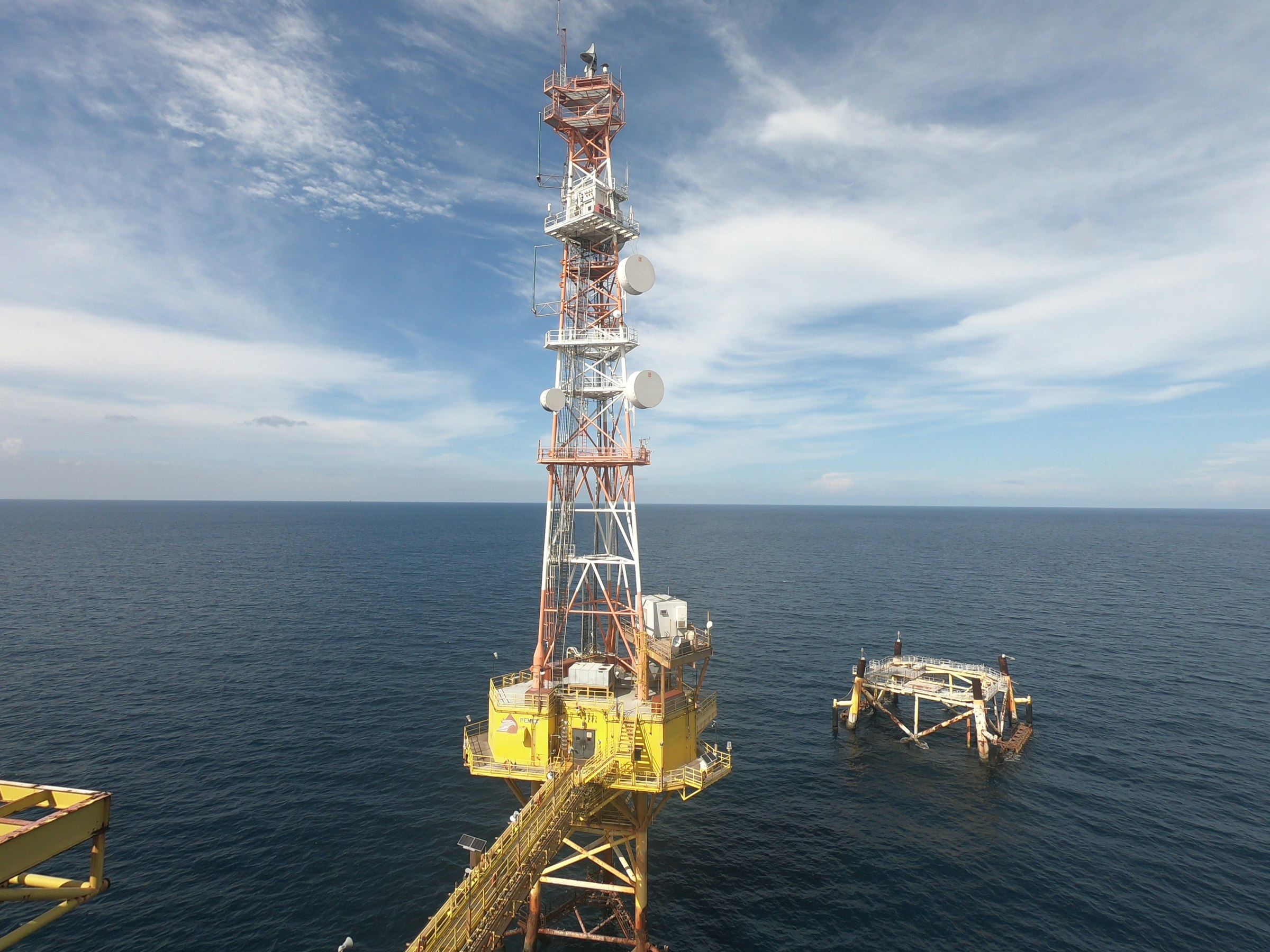
Engineering work will cover subsea trees, manifolds, controls, umbilicals, flowlines, the export pipeline, and connections to operating assets. Water depth, seabed conditions, pressure, temperature, corrosion, hydrate formation, and intervention access will shape equipment selection and installation methods.
Compatibility with the Egyptian system is central to the design. Cronos gas must arrive within the pressure, temperature, composition, metering, and treatment limits of the receiving facilities, while any modifications need to be completed without creating unacceptable disruption to current operations.
The project adds to a broader European offshore construction programme intended to bring new regional gas supply into production. Work on the Neptun Deep development in the Black Sea is progressing through a different field architecture, but similarly depends on coordinated fabrication, marine installation, processing, and export infrastructure.
European gas supply has become more diversified since 2022, with greater reliance on LNG imports, storage, and alternative pipeline routes. Cronos will add another Mediterranean source connected to established export facilities, although its planned output represents one part of a much larger and volatile regional market.
Gas remains important to power generation, industrial heat, fertiliser, chemicals, and other process industries, while European policy continues to reduce unabated fossil fuel consumption. The project must therefore recover substantial capital while long term demand, carbon costs, and competing energy technologies continue to evolve.
Subsea reliability will determine much of the operating cost. Valves, connectors, control modules, sensors, and umbilicals must function for long periods without direct access, while intervention requires specialist vessels and can be constrained by weather, equipment availability, and regional marine activity.
Condition monitoring will provide pressure, temperature, flow, and equipment status data, allowing operators to identify deterioration before it develops into a complete failure. Those systems need dependable subsea instrumentation, communications, data management, and diagnostic models that distinguish genuine faults from normal production variation.
The 2028 target requires drilling, engineering, procurement, fabrication, pipeline installation, subsea commissioning, and Egyptian modifications to advance in parallel. Competition for vessels, subsea production equipment, flexible pipes, controls, and experienced offshore personnel could affect the schedule as other large projects enter construction.
Cross-border arrangements add another operational layer. Cyprus, Egypt, Eni, TotalEnergies, the receiving facilities, and LNG customers must maintain agreements covering transit, processing, capacity, commercial allocation, and gas quality throughout the production period.
With the investment decision complete, Cronos now moves from appraisal and commercial preparation into execution. Its streamlined infrastructure concept can shorten development, but only if four subsea wells and a chain of existing Egyptian facilities operate as one dependable production system.