Elevra Lithium has signed a binding seven-year agreement to supply spodumene concentrate from its North American Lithium operation in Québec to Mangrove Lithium’s proposed conversion facility in Eastern Canada.
The agreement replaces the non-binding memorandum of understanding announced in February and sets commercial, technical, and logistics terms for a domestic Canadian lithium supply chain. The principal supply obligations remain conditional on Mangrove securing financing, reaching a positive final investment decision, and bringing its planned plant into sustained commercial operation.
The initial term runs for seven years, two years longer than contemplated under the memorandum, with a further seven-year renewal unless either party elects to terminate. Contracted volumes start at 122,000 dry metric tonnes of spodumene concentrate in the first year and rise to 144,000 tonnes annually from year two on a take-or-pay basis.
Mangrove can request up to 20% more concentrate in a given year where North American Lithium has sufficient capacity and Elevra agrees to the increase. The agreement also allows Mangrove to purchase up to 72,000 dry metric tonnes during any 12-month period before commercial operation, creating a route for feedstock procurement or commissioning activity before full contracted deliveries begin.
The timetable is explicit. Mangrove must reach final investment decision by 31 December 2028 and begin commercial operation no more than three years later. Sustained operation must reach at least 50% of the plant’s nameplate capacity before the principal supply commitments take effect.
Mangrove’s proposed facility is designed for annual production equivalent to 20,000 tonnes of lithium carbonate equivalent and would use the company’s electrochemical processing technology. It is intended to convert spodumene concentrate into high-purity lithium chemicals in Eastern Canada rather than sending the material overseas for conversion.
Pricing under the supply agreement is linked to market rates for spodumene concentrate and adjusted for product grade. Elevra says the contract includes a floor price that it expects to sit above North American Lithium’s production cost, while no price ceiling applies.
That structure gives the mine some protection against severe downside pricing while retaining exposure to stronger markets. Take-or-pay terms also provide greater volume visibility than spot sales, although the commercial benefit remains dependent on Mangrove satisfying the financing and operating conditions attached to the agreement.
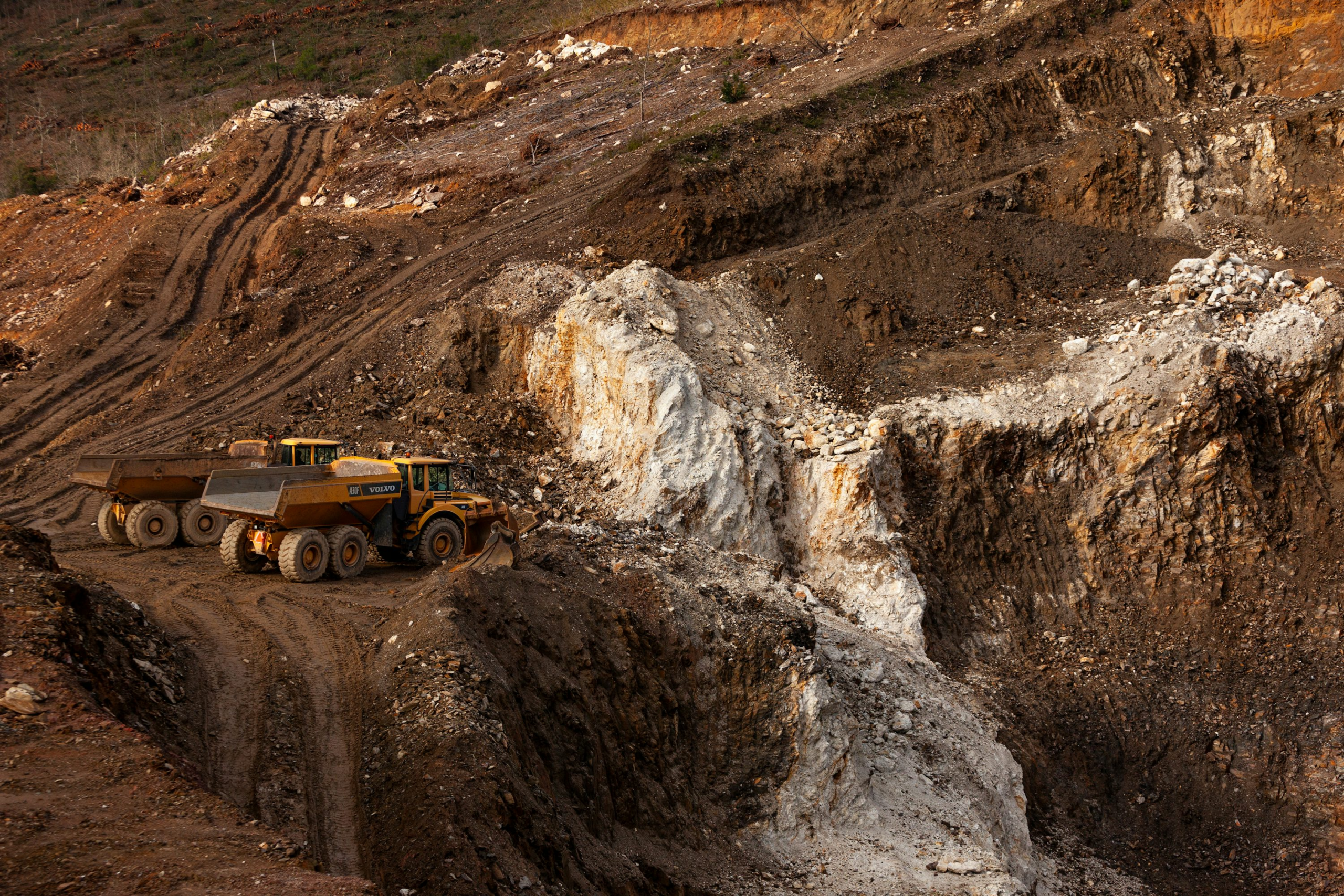
Location influences the economics as much as contract length. North American Lithium is an operating open-pit mine and spodumene concentrator in Québec, while Mangrove intends to build its conversion plant in Eastern Canada. Keeping concentrate within a domestic processing chain would remove the ocean freight associated with sending material to overseas converters and then moving refined chemicals towards North American customers.
Spodumene concentrate remains an intermediate product. Mined ore must be crushed, concentrated, converted, refined, and qualified before it becomes lithium hydroxide or lithium carbonate suitable for battery-material production. Each step introduces energy demand, reagent use, quality control, inventory, transport, and working-capital requirements.
Domestic conversion can shorten that chain without making the chemistry easier. A converter still has to maintain feed consistency, achieve product purity, manage impurities and residues, and prove that its process performs reliably at commercial scale. The supply agreement therefore secures a potential feed stream, not the operating performance of the proposed refinery.
Mangrove has arranged structured financing of up to US$85 million led by the Canada Growth Fund, while Elevra has separately received Canada Growth Fund backing for brownfield expansion at North American Lithium. The two investments put mine output and proposed downstream processing within the same broader Canadian critical-minerals policy environment.
The arrangement also reflects the growing emphasis on retaining more value between mineral extraction and battery production. Concentrate exports create revenue at the mining stage, but conversion into battery-grade chemicals captures additional processing value and can provide downstream manufacturers with a shorter and more traceable route to raw materials.
Traceability is becoming an increasingly practical requirement for automotive and battery supply chains. Customers may need clearer information on mineral origin, processing route, carbon intensity, and product specification, while regional processing can simplify some of the documentation and logistics compared with a chain that crosses several jurisdictions.
The contract does not remove project risk. Mangrove still has to complete engineering, secure full financing, make the final investment decision, construct the plant, commission its process, and sustain at least half of nameplate output before the larger annual volumes become binding in practice.
For Elevra, the agreement provides a defined potential customer for a material already being produced at North American Lithium. For Mangrove, it secures access to an operating Canadian spodumene source if the conversion project reaches the required milestones.
The next decisive step is therefore Mangrove’s final investment decision. If the project proceeds on schedule, an operating Québec mine would be connected to new Canadian conversion capacity under a contract capable of running for as long as 14 years. Until then, the industrial chain exists on paper at one end and in production at the other, with the refinery still to be built between them.