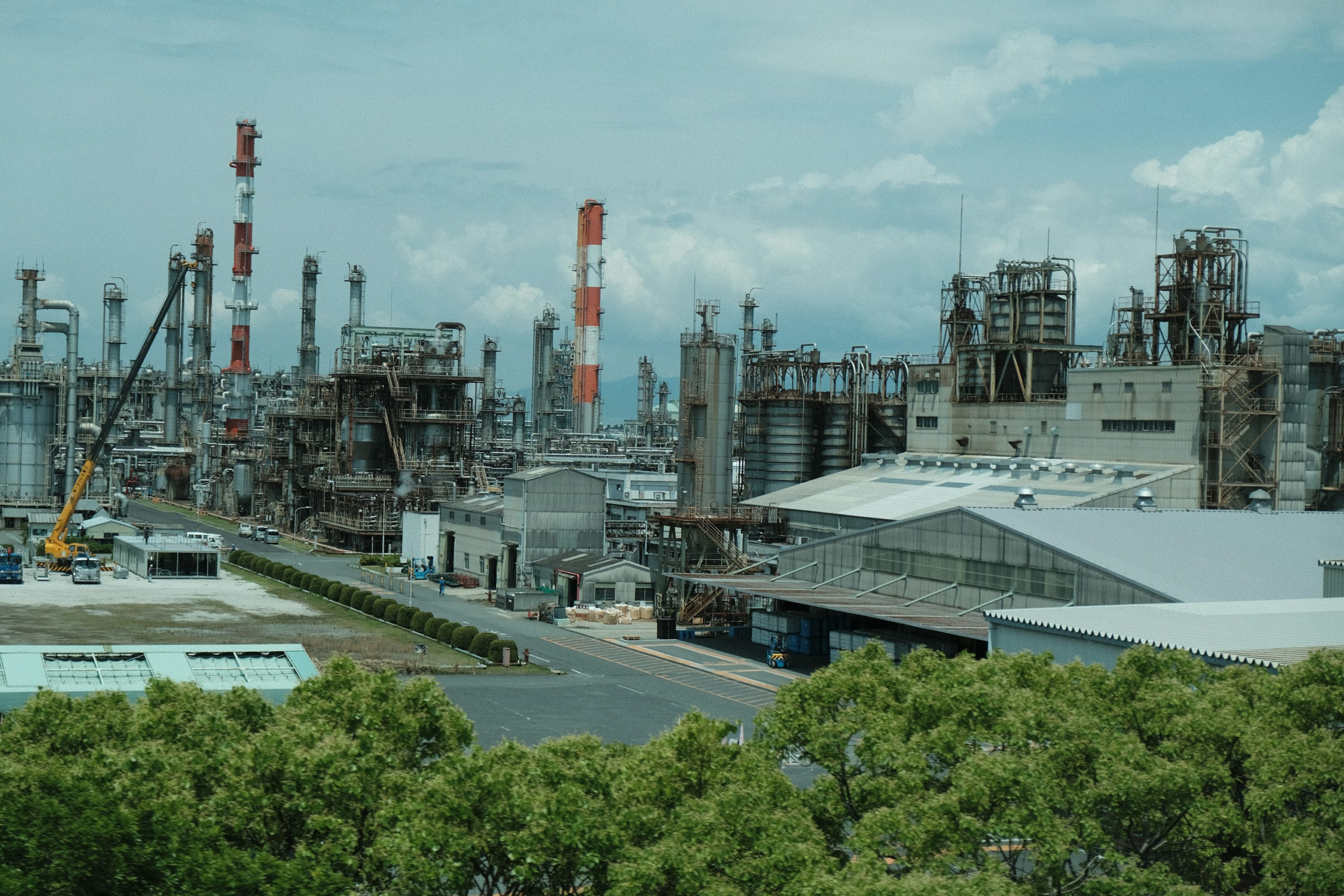
CSG plans to invest more than €100 million in the initial redevelopment of the Gnaschwitz industrial site in Saxony, adding German capacity for nitroglycerin, ammunition components, and potentially complete ammunition assembly. The group acquired the 57-hectare site near Bautzen from MAXAM through CSG Energetic Materials Germany.
The first phase will establish production for nitroglycerin and related materials while preparing areas for ammunition and component manufacturing. CSG has not disclosed the purchase price or a commissioning timetable, but expects the planned projects to create up to 125 jobs.
Nitroglycerin is a key ingredient in double-base and triple-base propellants used as charges for small-, medium-, and large-calibre ammunition. Increasing final assembly capacity without securing those energetic materials would simply transfer the production constraint further upstream.
CSG intends to supply both companies within its own group and external customers from Gnaschwitz. The arrangement supports a vertically integrated model extending from energetic materials through ammunition components to finished rounds, while retaining a commercial outlet beyond internal demand.
Jan Marinov, chief executive of CSG Defence Systems, said European ammunition capacity required reliable supplies of strategic energetic materials. The acquisition builds on the group’s investment at Walsrode and is intended to strengthen supply security and reduce dependence on external producers.
CSG completed its acquisition of the MSM Walsrode facility in Bomlitz, Lower Saxony, in May 2025 after signing the agreement with International Flavors & Fragrances the previous October. It is expanding industrial nitrocellulose production there to include energetic nitrocellulose for ammunition manufacture.
The two German sites are intended to form the core of CSG’s energetic-materials platform. Walsrode adds nitrocellulose capacity, while Gnaschwitz is planned around nitroglycerin and possible downstream ammunition activity. The combination gives the group greater control over material availability, qualification, production scheduling, and supply continuity.
Gnaschwitz is an established industrial site rather than a greenfield proposal. Energetic-material production there dates to 1874, and CSG said the location retains industrial infrastructure and technical facilities that can support redevelopment.
Historic use does not remove the engineering burden of reopening and expanding hazardous-process capacity. Modern production must incorporate containment, separation, process control, environmental protection, worker safety, quality assurance, and regulatory approval, with commissioning paced by evidence rather than the availability of buildings alone.
The first investment phase also leaves space for further projects. CSG has identified potential assembly of medium-calibre ammunition, tank ammunition, and 120 mm mortar rounds, together with additional component production, although those lines have not yet been confirmed as commissioned capacity.
That distinction matters because the announced €100 million covers initial development, not every possible expansion described for the site. Useful progress will be measured through permits, installed equipment, recruited technical staff, qualified processes, and first output rather than the full list of future options.
The project sits within a wider European effort to expand ammunition supply, but the industrial constraint is not confined to filling and assembly. Energetic chemicals are produced at specialised sites, require controlled transport and storage, and must meet consistent performance standards before they can enter qualified propellant and ammunition processes.
Vertical integration can reduce external exposure, although it also concentrates responsibility within the group. CSG will have to manage raw materials, hazardous processing, component production, and downstream manufacturing as connected operations, with any delay or quality problem capable of affecting several stages at once.
Supplying external customers could broaden utilisation and reduce dependence on CSG’s own ammunition programmes, but it will also require product specifications, qualification regimes, and delivery schedules acceptable to several buyers. The company has not yet disclosed the intended split between internal consumption and merchant sales.
The proposed 125 jobs will depend on that build-out reaching operation. Recruitment must cover process engineering, production, maintenance, laboratory, safety, quality, and logistics roles suited to an industry where experience cannot be created as quickly as floor space.
The project will also test whether existing site infrastructure can be adapted economically to modern standards or whether significant replacement is required before process equipment can be installed.
Gnaschwitz gives CSG a second German anchor for energetic materials and room to develop further ammunition activity. The capital commitment is substantial, but energetic chemistry is less tolerant of optimistic schedules than an ordinary factory expansion. The next meaningful milestones will be regulatory approval, construction, qualification, and safe production at scale.