
Materials
-
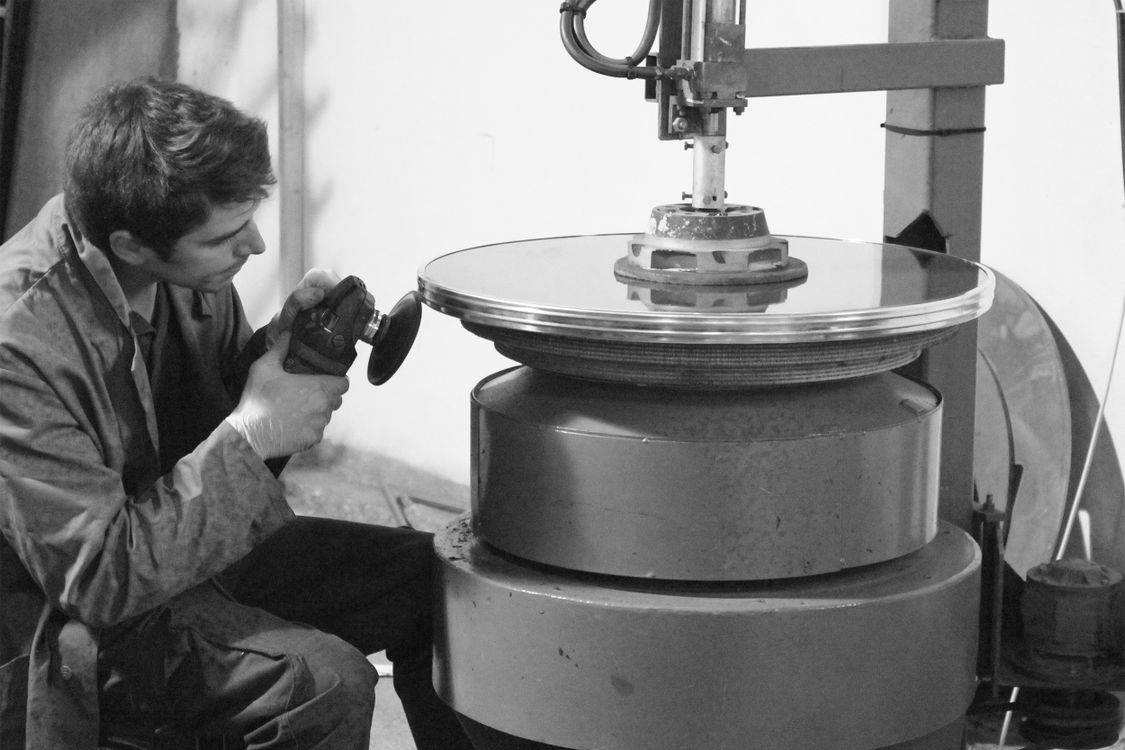
UK universities are coordinating research into more sustainable industrial coatings. The new network links surface science, digital tools and manufacturing trials, but has not yet delivered a commercially qualified replacement material.
-
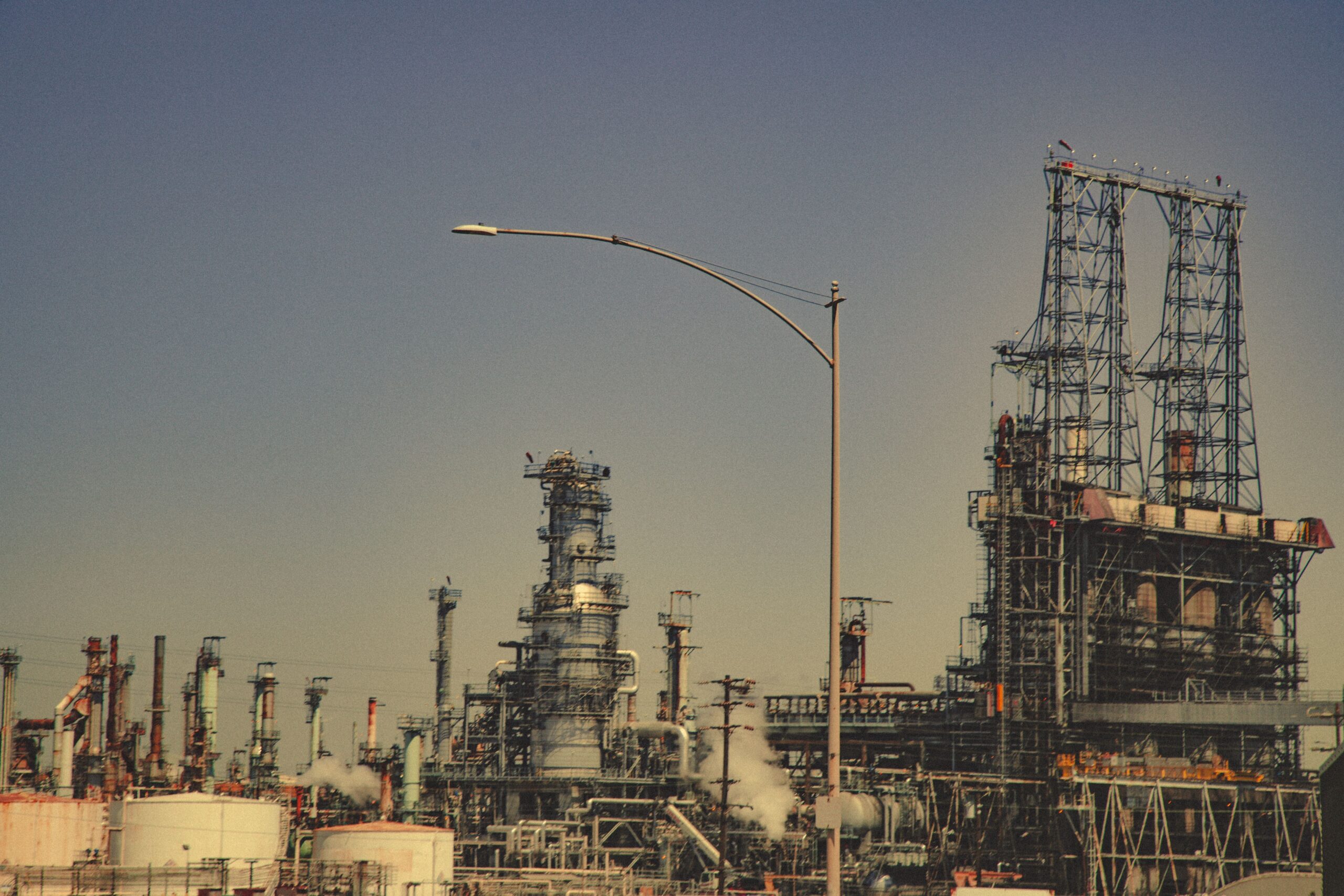
Concretene secures £4.5m to expand graphene admixture manufacturing capacity. The Series A first close will support larger concrete trials and planned multi-tonne graphene production using wastewater biogas as feedstock.
-
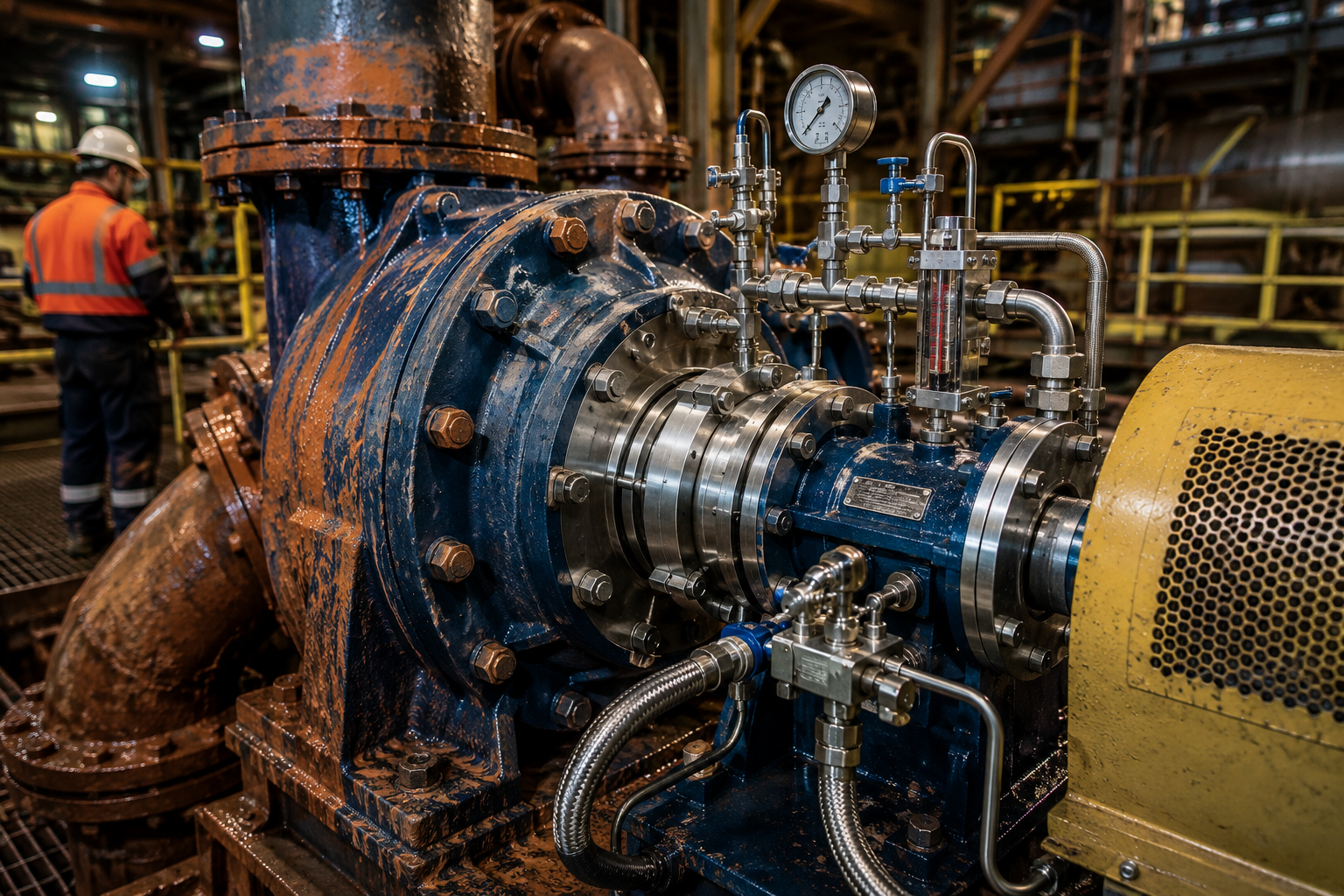
Halo Minerals has obtained a Chilean permit for beach dredging. The Playa Verde authorisation covers mining works at Chañaral, including urban areas, but further concessions and a final investment decision are still required.
-
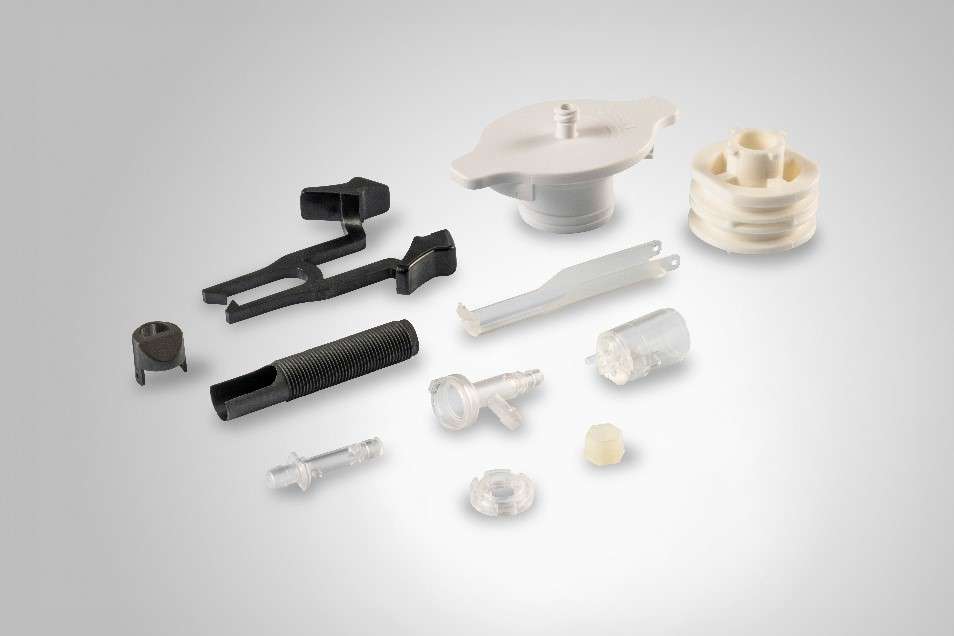
MeadeX has ordered a new 260-tonne plastic injection moulding machine. The Borche Bi260 is due at its Ross-on-Wye operation in October, with UK engineers assigned to installation and commissioning; the company has not quantified additional capacity.
-
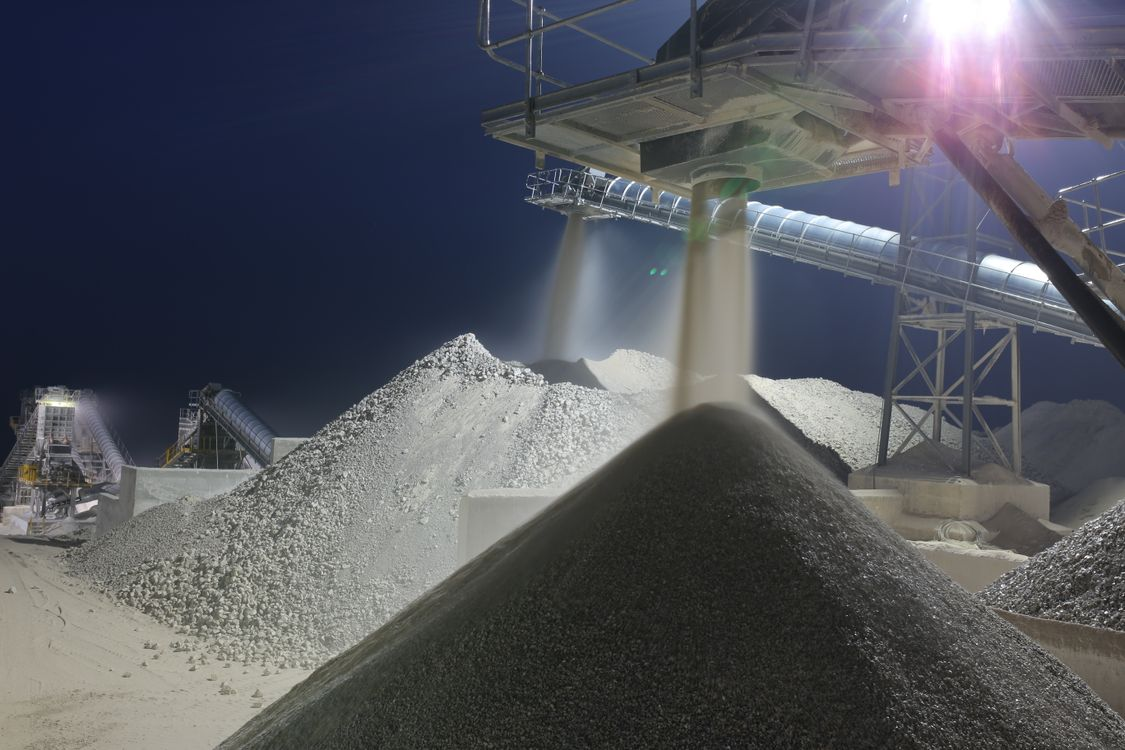
Bannerman and CNNC have approved full-scale construction of Namibia’s Etango. The Etango-8 project has forecast pre-production spending of approximately US$353 million and targets initial uranium oxide production during 2028.
-
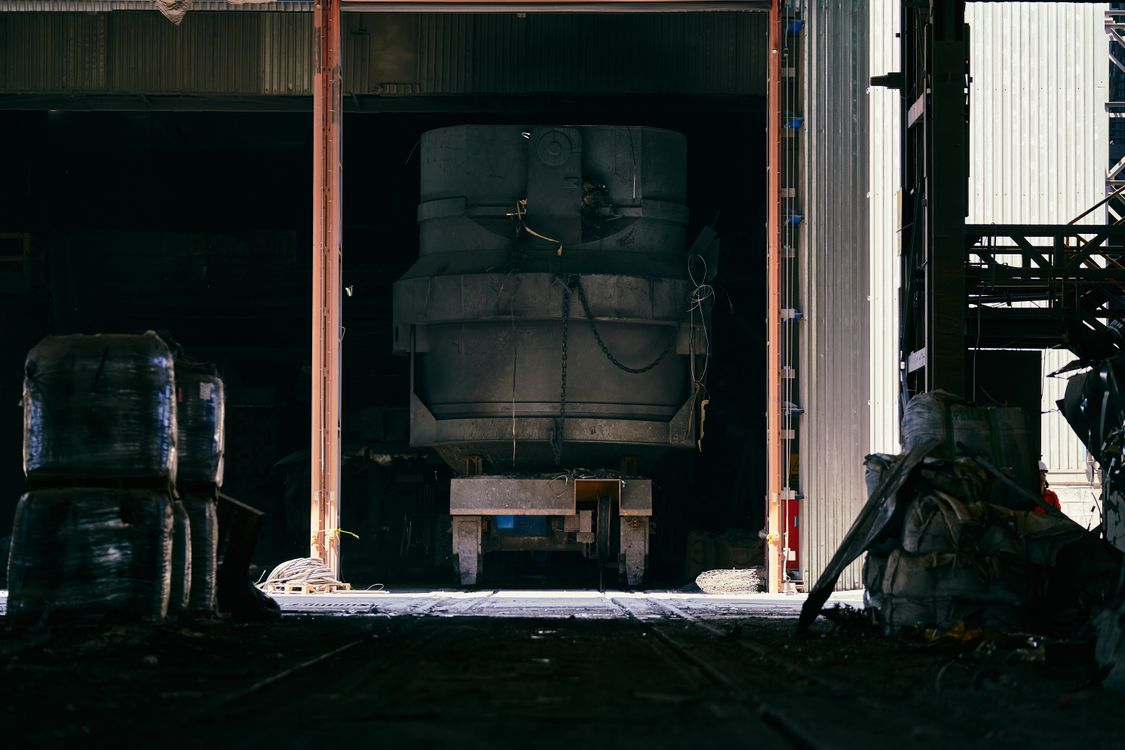
US Steel has authorised investment in a new rolling mill. The nearly $3 billion Mon Valley project would lift stated annual hot strip capacity from 2.2 million to 3.5 million tons, subject to permits and construction.
-
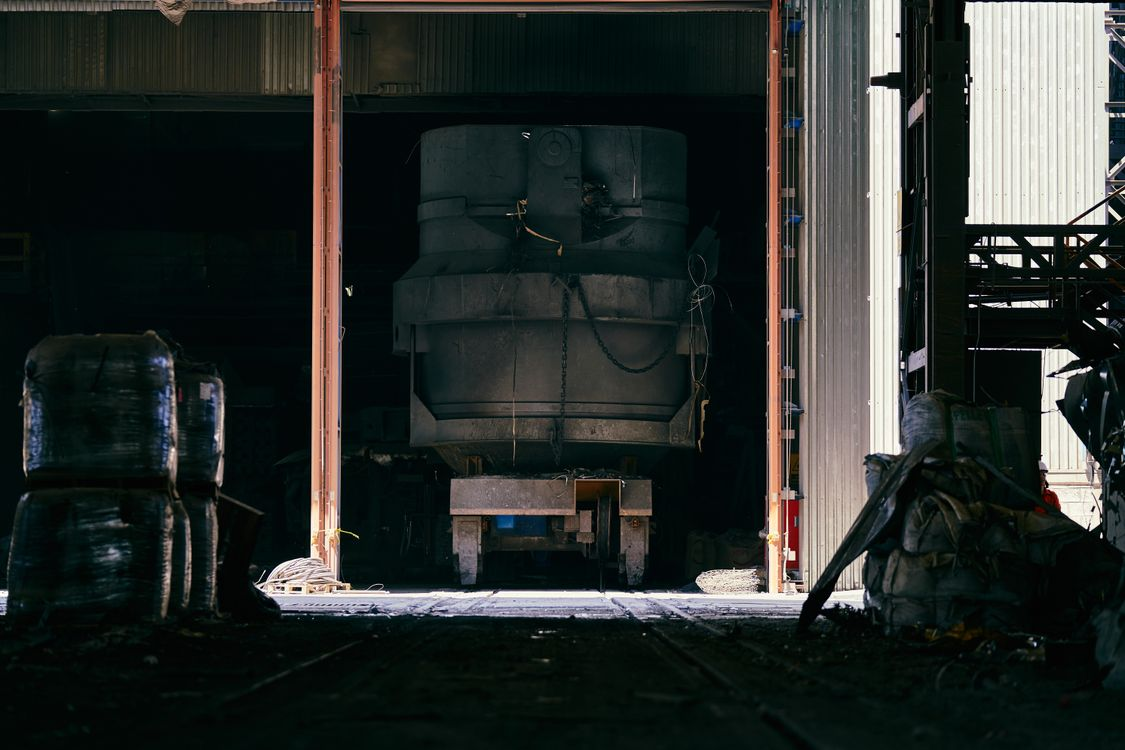
European Union crude steel production fell five percent during September. Worldsteel reports 10.1 million tonnes from the EU and a 13% fall in Germany, while production across its 70 reporting countries slipped just 0.2%.
-
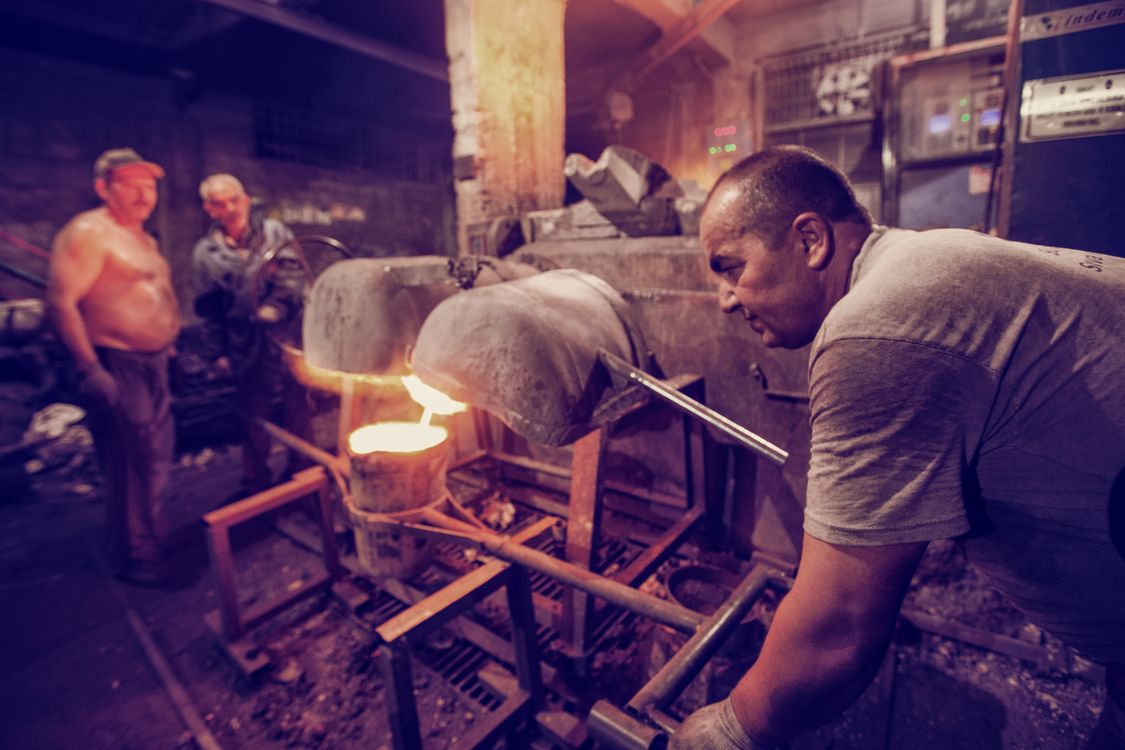
Cinovec has provisionally approved a new lithium roasting kiln design. Test work reports comparable recovery at lower temperatures than the original rotary kiln plan, while detailed engineering and the final heating fuel choice remain outstanding.
-

Arclin plans additional Nomex manufacturing capacity at its Spanish facility. The investment will expand floc production and introduce paper production capability, with construction scheduled for completion in 2027 and commissioning planned in early 2028.
-
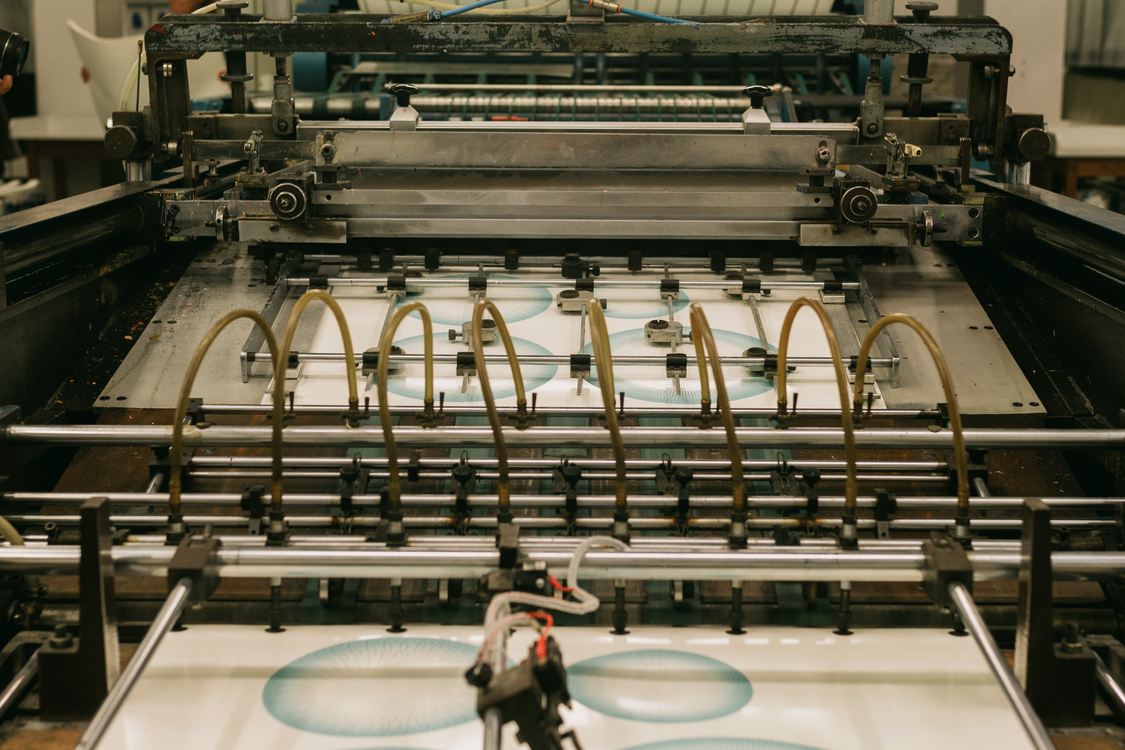
Printed Cup Company installed faster equipment at its Lancashire factory. A six-colour dry offset printer carries a rated capacity of 3,000 plastic cups per hour, compared with around 280 previously.

© 2b Publishing 2026.