Bridgnorth Aluminium has signed a five-year agreement with Lotte Aluminium Materials USA to supply battery-grade aluminium for electric vehicle and energy storage applications.
The agreement was signed at Lotte Aluminium Materials USA’s site in Elizabethtown, Kentucky, following joint development and qualification work between the two companies. Bridgnorth Aluminium will supply material for use in next generation batteries, extending the Shropshire company’s role in electrification supply chains.
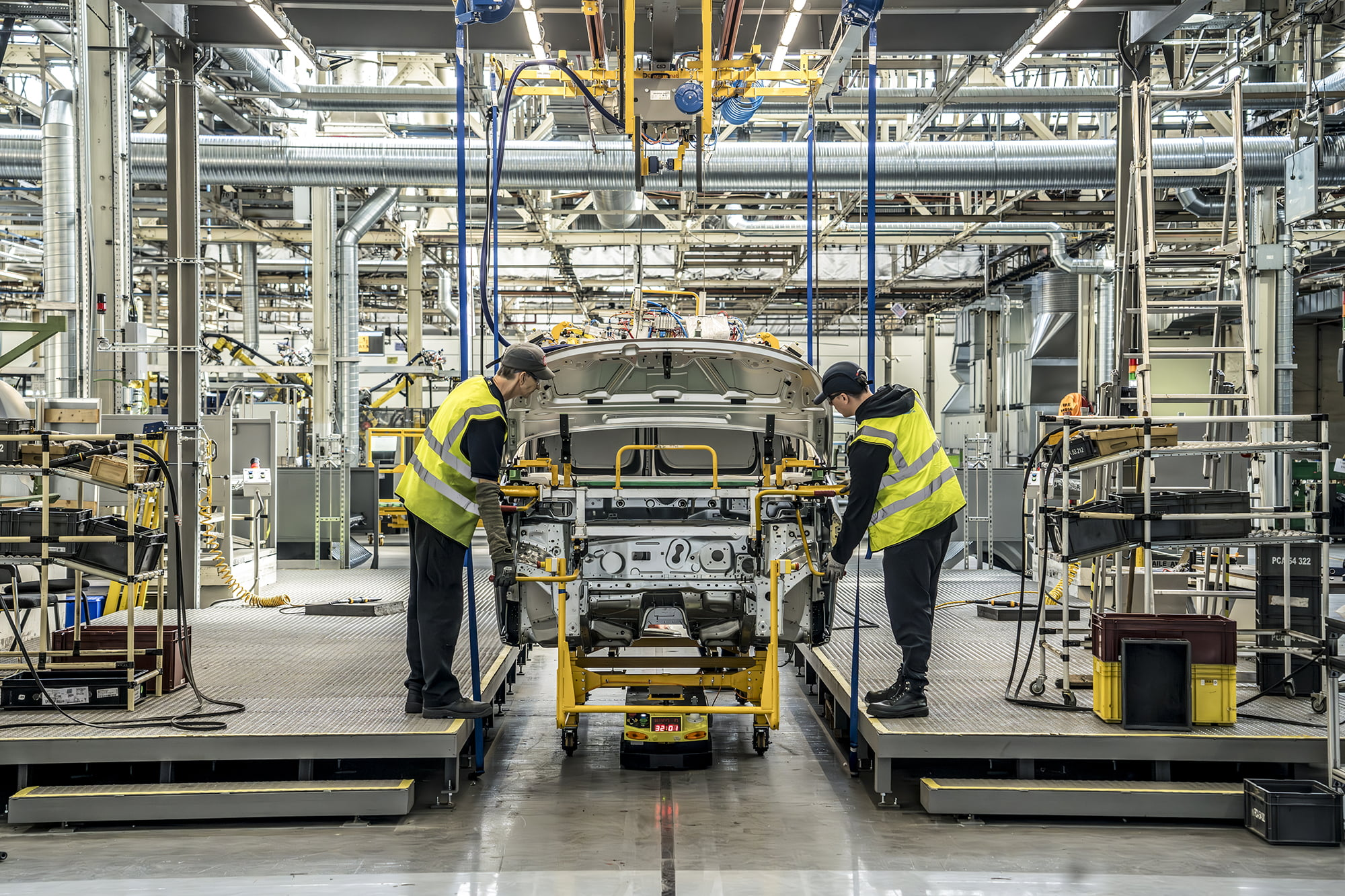
The company employs 368 people at its Bridgnorth production site and remains one of the UK’s most important aluminium rolling assets. The deal follows an eighteen-month recovery period in which the business returned to 24/7 production, expanded its workforce, and invested more than £2m in cast house technology and a dedicated slitting line.
Battery foil is a demanding product because small variations in gauge, surface condition, mechanical properties, cleanliness, or edge quality can affect downstream cell production. Coating, calendaring, winding, assembly, and long-term cell performance all depend on tightly controlled material inputs. Qualification is therefore lengthy, technical, and difficult to replace once production programmes are established.
Bridgnorth’s agreement with Lotte shows how established industrial materials businesses are moving toward higher specification electrification markets. Aluminium rolling has long served sectors including packaging, printing, construction, and energy. Battery material supply adds a different set of customer requirements, where traceability, repeatability, process discipline, and long-term technical collaboration become central to the commercial relationship.
The investment in cast house and slitting capability is part of that shift. Battery customers need rolled material that is not only metallurgically suitable, but prepared in a form that supports high-volume downstream processing. Slitting quality, edge condition, winding, handling, and packaging can influence line efficiency and waste levels once the material enters battery production.
Electrification is also changing the geography of materials supply. North America is building battery manufacturing capacity at scale, while Europe continues to pursue its own battery supply base. Both regions need qualified suppliers that can provide specialist materials consistently over long production runs. Companies with existing industrial assets and proven process control are therefore being pulled into markets that were once outside their traditional customer mix.
The agreement gives Bridgnorth Aluminium a defined role in a global battery supply chain at a time when UK manufacturers are looking for routes into electric vehicle and energy storage production. The UK has faced setbacks in cell manufacturing, but specialist materials, equipment, testing, automation, and process technology still offer routes into the sector where companies can meet demanding specifications.
Aluminium’s wider role in electrification is already extensive. It is used in vehicle lightweighting, battery enclosures, current collectors, thermal management, power transmission, renewable energy infrastructure, and packaging. Battery foil adds a high-value product route, but it also increases exposure to fast-moving markets where customers expect rapid scale, consistent quality, and technical support across borders.
The company’s latest agreement builds on earlier investment at the Bridgnorth site, including capital spending to expand production capability. The direction is now clearer: rather than relying only on established end markets, the business is positioning its rolling and finishing assets around electrification demand.
That shift carries a broader lesson for UK materials manufacturing. Legacy industrial assets can still move into growth markets when investment, qualification, and customer development align, but the process is neither automatic nor quick. Battery supply chains are unforgiving, and participation depends on technical credibility as much as location or policy ambition.
Bridgnorth Aluminium’s contract with Lotte does not resolve the UK’s wider battery manufacturing gap, although it does show how domestic materials capability can connect into international electrification programmes. In a metals sector under sustained cost and competitiveness pressure, a qualified long-term supply agreement is a stronger signal than broad claims about future demand. It gives the factory a market, the customer a specialist supplier, and the UK a continuing role in a sector where material performance is everything.