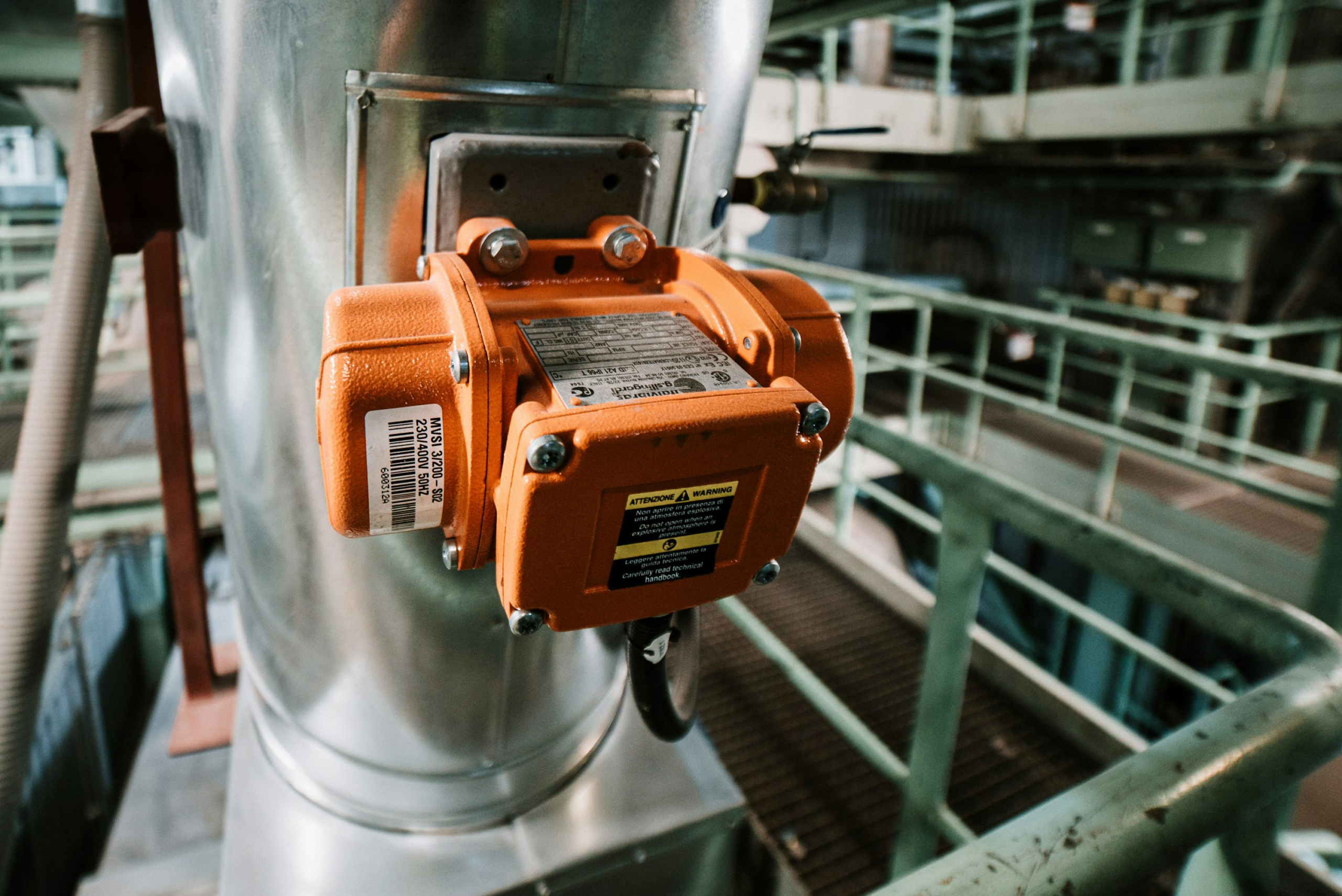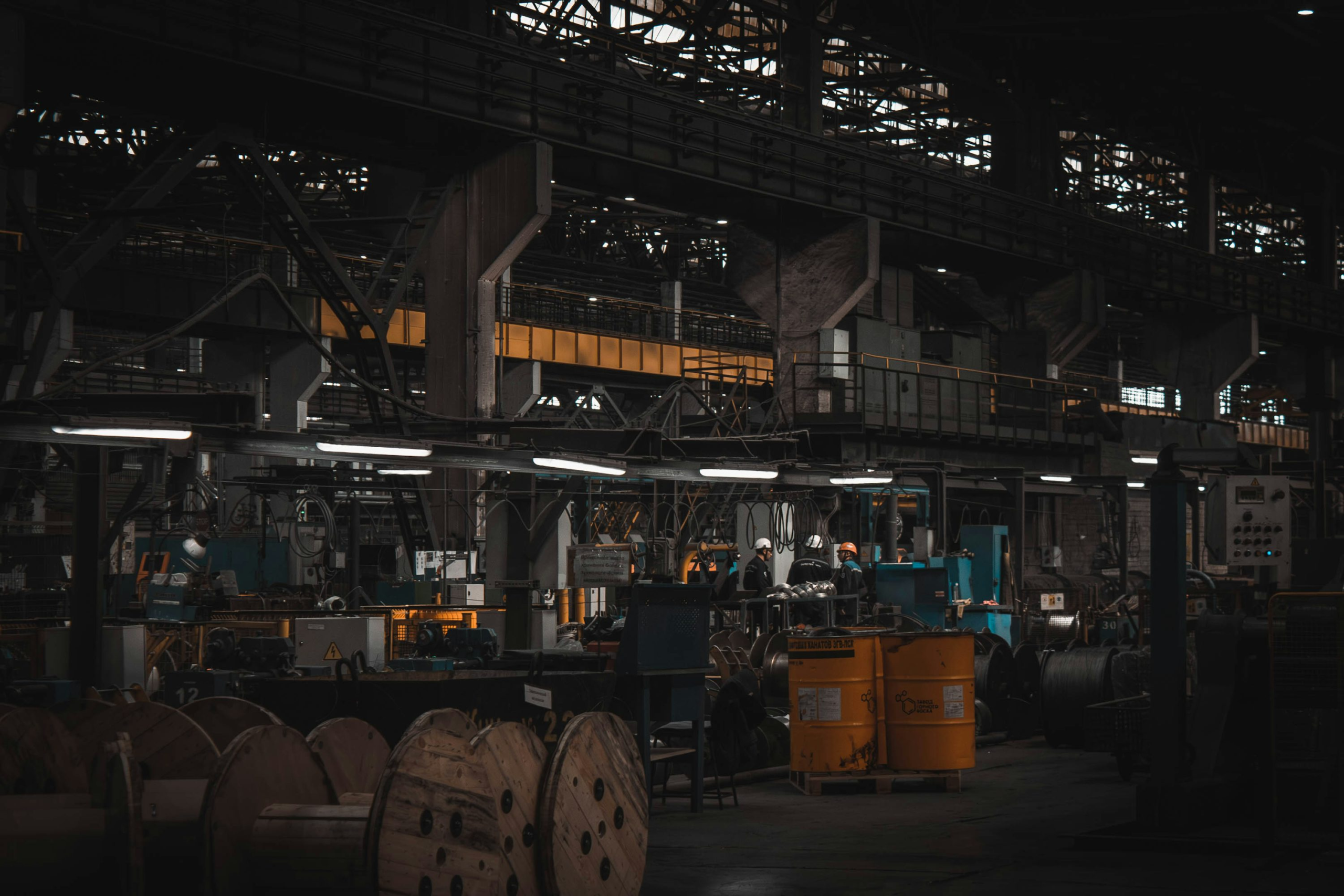
BMI UK & Ireland has restarted production at its Redland clay roof tile plant in Coventry after a £6.3 million refurbishment covering the Rosemary kiln, automation, product handling, gas and control equipment, hydraulics and supporting production infrastructure.
The work at BMI UK & Ireland followed five months of planned maintenance and involved more than 33,000 contact hours. Production is under way again, with the company expecting the upgraded plant to improve manufacturing resilience, product quality, safety and supply reliability.
Rosemary clay tiles have been manufactured at the Coventry operation since 1989, making the project an extensive modernisation of an established process rather than the installation of an entirely new product line. Kiln equipment, gas systems, controls, automation and handling machinery all influence whether material moves consistently through forming, drying, firing and downstream operations.
Refurbishing those systems together can remove constraints that are harder to address through routine maintenance. Mature production plants often accumulate equipment from different generations, with mechanical components, drives, control hardware and safety systems upgraded at different times. A prolonged planned shutdown provides an opportunity to deal with several ageing or limiting systems while access to the line is available.
The 33,000 contact-hour figure reflects the scale of that task. Contractors, production engineers and maintenance teams have to sequence mechanical, electrical and control work so that individual upgrades function as a complete production system when the plant restarts. A modernised kiln is of limited value if its material handling, gas supply or controls cannot support stable operation around it.
Clay tile manufacture also places particular demands on process consistency. Firing conditions influence dimensional stability, colour and material performance, while variation introduced during forming, drying or handling can become difficult to correct later in the process. Improvements to control and automation therefore have value beyond reducing manual work if they also narrow the process variation entering the kiln.
Product handling is another practical constraint. Tiles pass through several stages before reaching finished stock, and breakage or poor positioning can reduce yield even where the primary thermal process is operating correctly. Better automation can improve repeatability, but the equipment still has to accommodate material that may vary slightly in moisture content, dimensions or behaviour during processing.
Gas and control upgrades are particularly relevant to kiln operation because temperature profiles have to be managed consistently across extended firing cycles. BMI has not published a quantified energy or emissions saving for the £6.3 million refurbishment, so there is no basis for assigning a decarbonisation figure to the work. Updated burners, controls and instrumentation nonetheless give operators newer equipment with which to manage the process.
The same restraint applies to productivity. BMI says the investment is intended to improve efficiency and resilience but has not disclosed a before-and-after output figure or cycle-time reduction. The performance of the refurbishment will therefore be established over subsequent production runs, when maintenance requirements, quality, throughput and unplanned stoppages can be compared with the previous plant configuration.
Extending the working life of mature machinery can be economically attractive when the underlying process remains sound. Replacing an entire factory line introduces substantial capital cost and a longer commissioning programme, whereas targeted mechanical and controls investment can retain useful plant while removing specific weaknesses. The risk is that an incomplete refurbishment simply moves the production bottleneck to the next oldest piece of equipment.
The Coventry programme appears broader than that sort of piecemeal intervention. Work across the kiln entrance, hydraulics, automation, handling, gas systems and controls indicates a coordinated attempt to improve several connected stages rather than replacing one failed component.
Domestic production also has a supply-chain dimension. Roofing products are bulky, construction schedules can be sensitive to material availability, and established tile formats may be required for refurbishment and repair work. A functioning UK production base can provide a shorter supply route than imported alternatives, although the commercial value will depend on output cost and the plant’s ability to maintain consistent availability.
The Rosemary range itself has a much longer history than the Coventry site, dating back to the nineteenth century. Keeping such a mature product in production does not require constant reinvention, but it does require the manufacturing equipment behind it to keep pace with modern expectations for safety, control, maintenance and quality.
Five months of planned work have now returned the Coventry line to operation with £6.3 million of upgraded equipment behind it. The less photogenic part comes next: establishing whether the investment delivers steadier firing, fewer interruptions and more consistent output over thousands of subsequent production cycles.