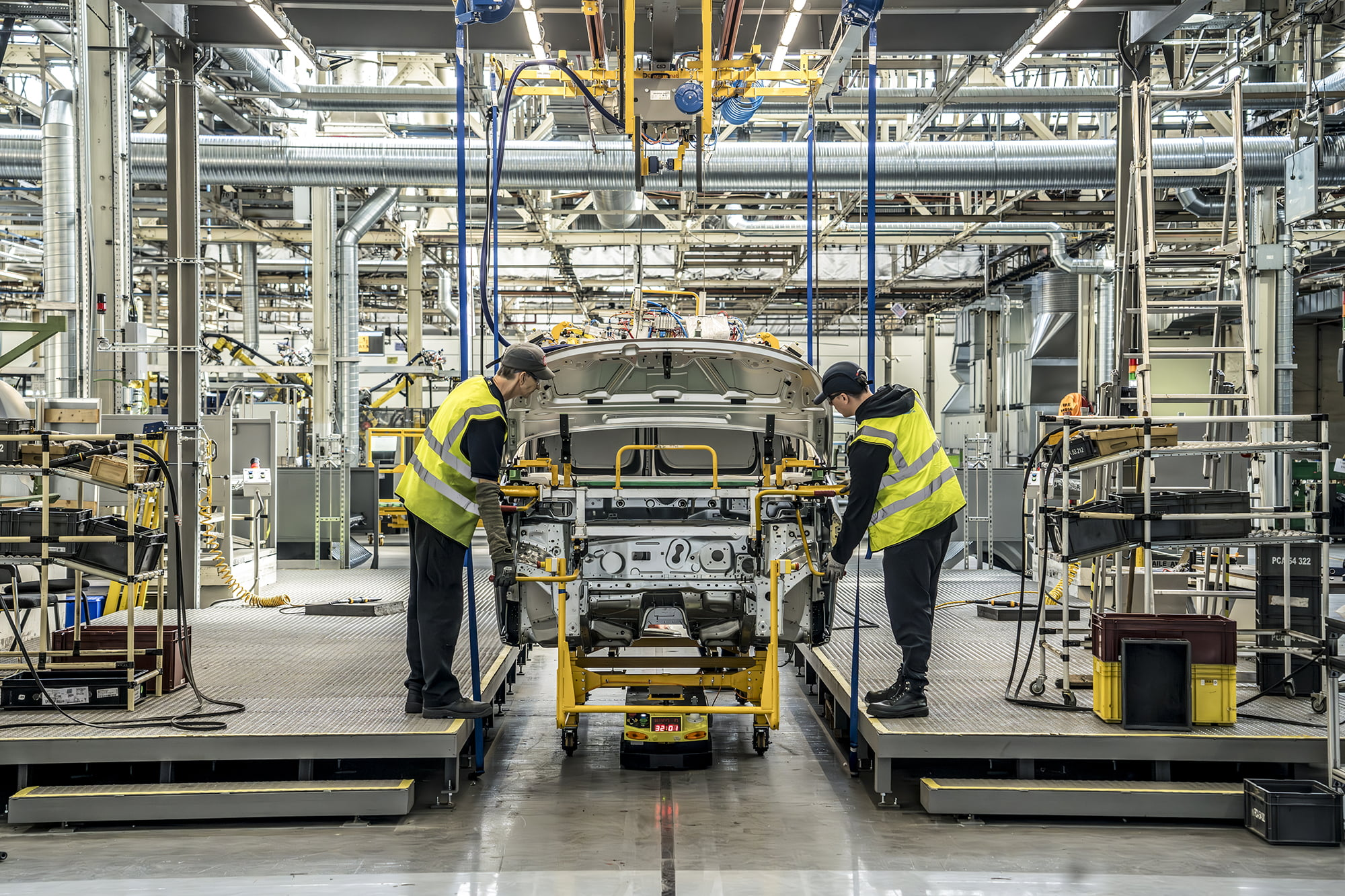
Bentley Motors has started operations at its new paint shop in Crewe, marking a major step in the transformation of the company’s UK manufacturing headquarters.
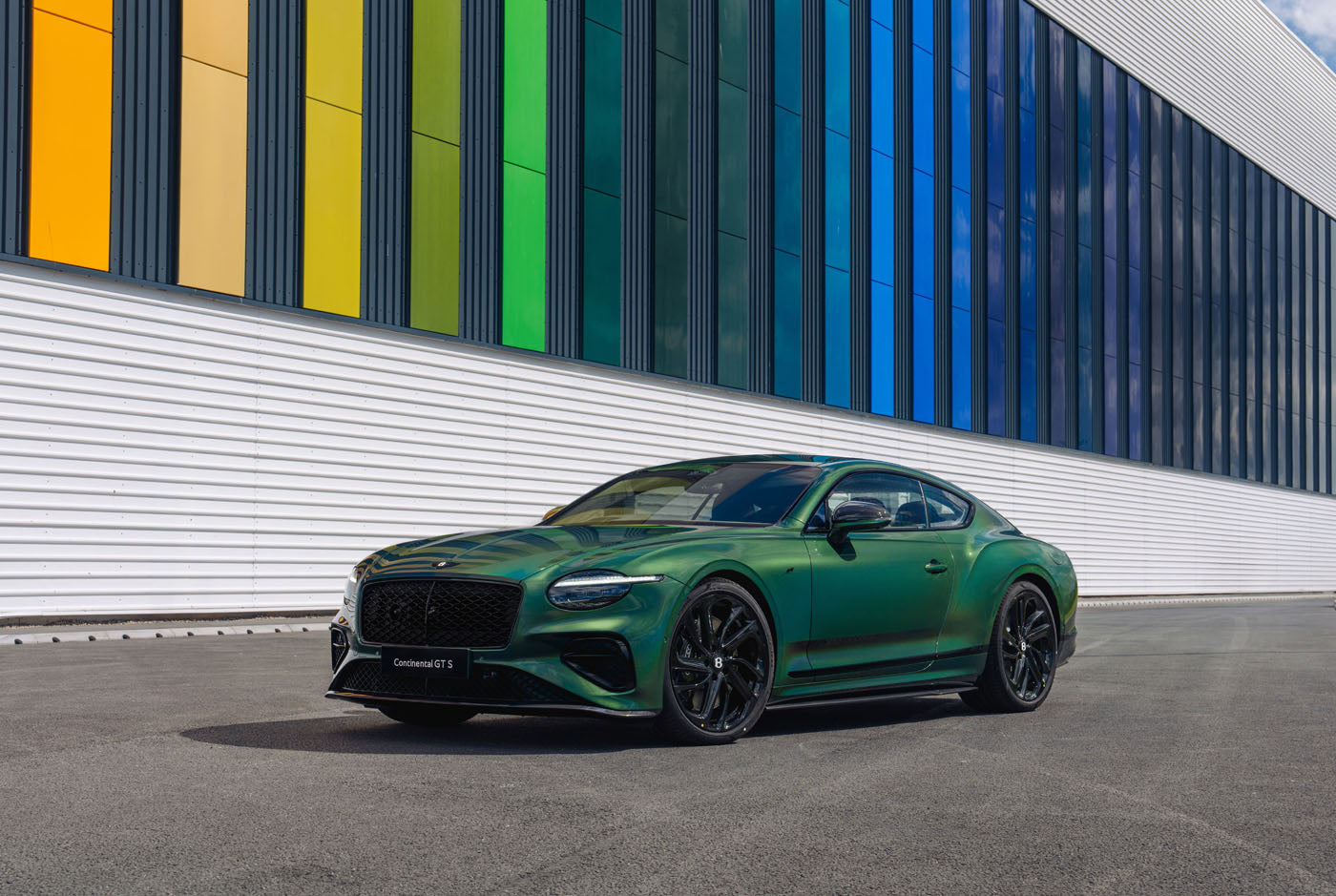
The facility will paint the Continental GT, Continental GTC, Flying Spur, and Bentley’s first battery electric vehicle, which is due to launch later this year. The opening was marked by the completion of a one-off Continental GT S using a Spectraflair finish enabled by the new paint operation.
Paint is one of the most capital-intensive and technically demanding areas of vehicle manufacturing, combining surface quality, corrosion protection, environmental control, robotics, finishing, energy consumption, and customer personalisation. At the premium end of the market, the process carries additional pressure because the visible finish is part of the product’s perceived engineering quality.
The Crewe facility gives Bentley greater control over a production stage that affects appearance, throughput, customisation, and future model introduction. Luxury vehicle manufacturing increasingly depends on the ability to handle low-volume variation without losing process discipline. Bespoke colours, specialist finishes, and high customer choice all add complexity to a process that must still deliver repeatability, durability, and defect control.
Body finishing has become a more complex manufacturing challenge as vehicles incorporate more varied materials, tighter design tolerances, and higher expectations around surface appearance. Premium manufacturers must combine automated application with skilled inspection, colour development, surface preparation, and finishing work. Defects that may be marginal in a higher-volume segment can become commercially unacceptable when paint quality forms part of the brand proposition.
The facility also strengthens Crewe ahead of Bentley’s electric vehicle transition. Battery electric vehicles alter factory planning even where brand identity and customer expectations remain familiar. Vehicle architecture, underbody protection, battery packaging, thermal management, weight control, and process sequencing all influence how a plant is configured. Paint operations must be integrated into a production system capable of handling future vehicle structures and electrical content while maintaining current model output.
The UK automotive sector is navigating a capital-intensive transition shaped by battery supply, energy costs, skills, regulatory pressure, and manufacturing flexibility. Premium and specialist vehicle makers have to preserve brand-specific production attributes while competing in a market increasingly shaped by software, platform scale, and battery economics. The Crewe paint shop gives Bentley a stronger industrial base for that transition, particularly where customisation and finish quality remain central to the product.
Domestic electrification capability is also building across the supply chain. Volklec’s participation in a modular battery programme reflects the wider effort to strengthen UK capability around cells, packs, and electrified mobility systems. Vehicle production investment and component capability need to develop together if more value from electric platforms is to remain in the UK.
Paint shops are energy-intensive assets, requiring controlled environments, air handling, curing, filtration, process heat, and emissions management. As manufacturers work toward lower-carbon operations, the efficiency of these facilities becomes more commercially visible. Energy management, heat recovery, solvent control, waste handling, and emissions reduction all affect both environmental performance and operating cost.
Automation will remain central to the facility’s performance, although it does not replace specialist skills. Robotic application can improve consistency and transfer efficiency, while digital process control can support traceability, maintenance planning, and defect reduction. Skilled teams are still needed for colour development, surface preparation, quality inspection, rectification, equipment maintenance, and process optimisation.
The supply chain around a paint shop is also substantial. Coatings chemistry, application equipment, robotics, filtration systems, environmental controls, curing technology, inspection systems, and maintenance services all contribute to final vehicle quality. Investment in visible paint finish therefore depends on a dense layer of less visible engineering infrastructure.
Bentley’s new paint operation strengthens a Crewe site that must deliver current demand while preparing for a different powertrain and manufacturing landscape. The plant adds process capability at a point where luxury automotive manufacturing is becoming more flexible, more digital, and more exposed to energy and environmental performance. In that context, paint is not a final cosmetic step. It is a controlled manufacturing process that touches quality, brand value, production flow, and the company’s route into electric luxury vehicles.