Emerson has secured a multimillion-dollar automation contract from BP for the Shah Deniz Compression project in the Caspian Sea, supplying the integrated control and safety systems for a new electrically powered offshore compression platform.
The $2.9bn project represents the next development phase for the Shah Deniz gas field off Azerbaijan. Four 11MW compressors will be installed on the new platform, which will act as the central compression hub for production from the existing Shah Deniz Alpha and Shah Deniz Bravo facilities.
Compression becomes increasingly important as a gas reservoir matures and its natural pressure falls. Adding compressor capacity lowers the pressure against which wells have to produce, allowing additional gas and condensate to be recovered from reserves that become progressively more difficult to move through the production system.
BP expects the project to enable approximately 50 billion cubic metres of additional gas and around 25 million barrels of condensate production and export. Construction is scheduled for completion in 2029, with first compression from Shah Deniz Alpha planned for that year and Shah Deniz Bravo following in 2030.
The platform is being designed as a normally unattended installation, with operations controlled remotely from BP’s Sangachal terminal around 55km south of Baku. That operating model places much of the burden normally shared between automation and an offshore crew onto instrumentation, communications, control software, diagnostics, and independent safety systems.
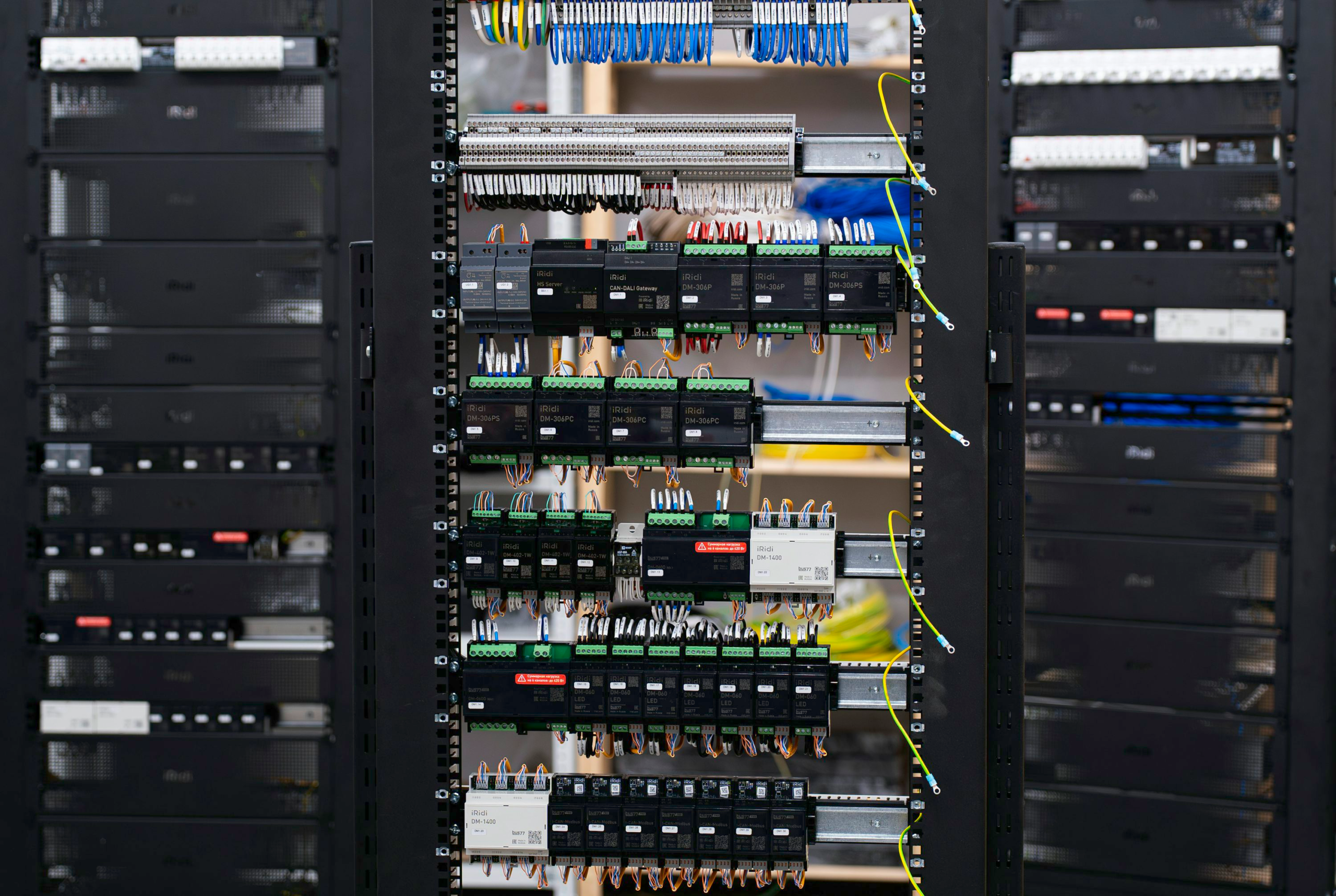
Emerson’s package will combine its DeltaV Distributed Control System and DeltaV Safety Instrumented System. The architecture will provide process control, safety shutdown, fire and gas detection, and power management, giving operators ashore visibility of both the compression process and the equipment needed to keep the facility inside defined operating limits.
Four electrically driven 11MW compressors create a substantial controls problem beyond the compression machines themselves. Drives, electrical distribution, lubrication, cooling, valves, process instrumentation, auxiliary equipment, and protection systems have to work together while preserving safe shutdown behaviour if one part of the installation develops a fault.
Remote operation also changes the way abnormal conditions are handled. On a staffed platform, operators can combine control-room data with direct observation of equipment. A normally unattended facility has to provide enough diagnostic information for teams ashore to distinguish between process variation, instrument failure, equipment degradation, and a genuine safety event before deciding whether offshore intervention is required.
That makes instrumentation quality and alarm design as relevant as the main control hardware. More measurements are not automatically better if they create an operating environment in which significant events are buried among routine alarms. The system has to provide useful hierarchy and context while retaining separation between normal control functions and the independent protection required when operating limits are exceeded.
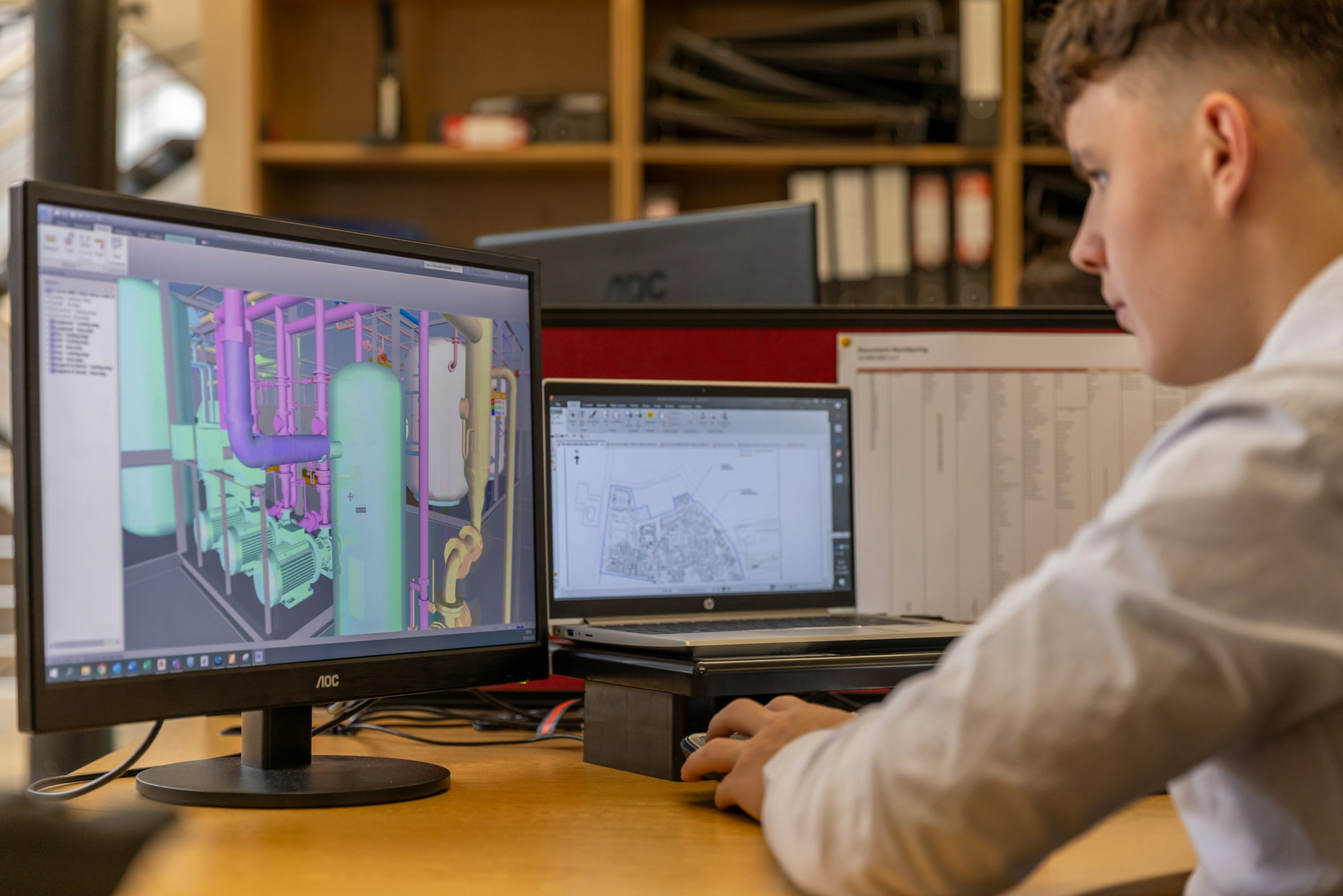
Emerson will also use cloud engineering services and digital twin technology during project delivery. Virtual testing allows control logic, displays, equipment interfaces, and operating sequences to be exercised before the physical installation is complete, while the same environment can be used for systems integration and operator training.
Offshore projects have a particularly strong incentive to find software and interface problems early. Correcting an engineering issue while the control system remains in a virtual test environment is considerably simpler than discovering it after equipment has been installed offshore, connected to other packages, and entered the commissioning programme.
The contract continues an established relationship between BP and Emerson in Azerbaijan. Emerson previously acted as main automation contractor for the Azeri Central East development and Shah Deniz Stage 2, giving the supplier experience with the wider control architecture, operating practices, and project environment surrounding the new compression facility.
That continuity can reduce unnecessary differences between adjacent assets. Control conventions, alarm philosophies, cybersecurity requirements, maintenance practices, interfaces, and engineering documentation are easier to align when the new facility is being developed within an automation environment already familiar to the operator.
The normally unattended design nevertheless raises the standard expected from the finished system. Remote operation reduces routine offshore staffing, but it also means a control or instrumentation problem can become an access problem if engineers cannot diagnose it adequately from shore.
Construction will continue through 2029, leaving several years for detailed engineering, software development, package integration, factory acceptance testing, offshore installation, and commissioning. Emerson’s contract fixes the automation architecture early enough for that work to develop with the mechanical and electrical packages instead of being treated as a final layer added to the completed platform.
The visible centrepieces of Shah Deniz Compression will be its four large compressors, but the project depends just as heavily on whether operators 55km away can see, understand, and control what those machines are doing. On a platform intended to spend most of its working life without a permanent crew, automation is part of the operating model rather than simply another equipment package.