Aptiv has signed separate strategic collaboration agreements with Chinese companies TARS and Shanghai Electric, extending its industrial robotics activities through factory deployments and the integration of its computing and electrical technologies into new robotic platforms.
The agreements were signed during the ninth China International Import Expo in Shanghai and confirmed on 6 November. They cover the progressive introduction of robots supplied by both partners into Aptiv’s manufacturing operations, alongside joint work on technologies intended for subsequent robotic products.
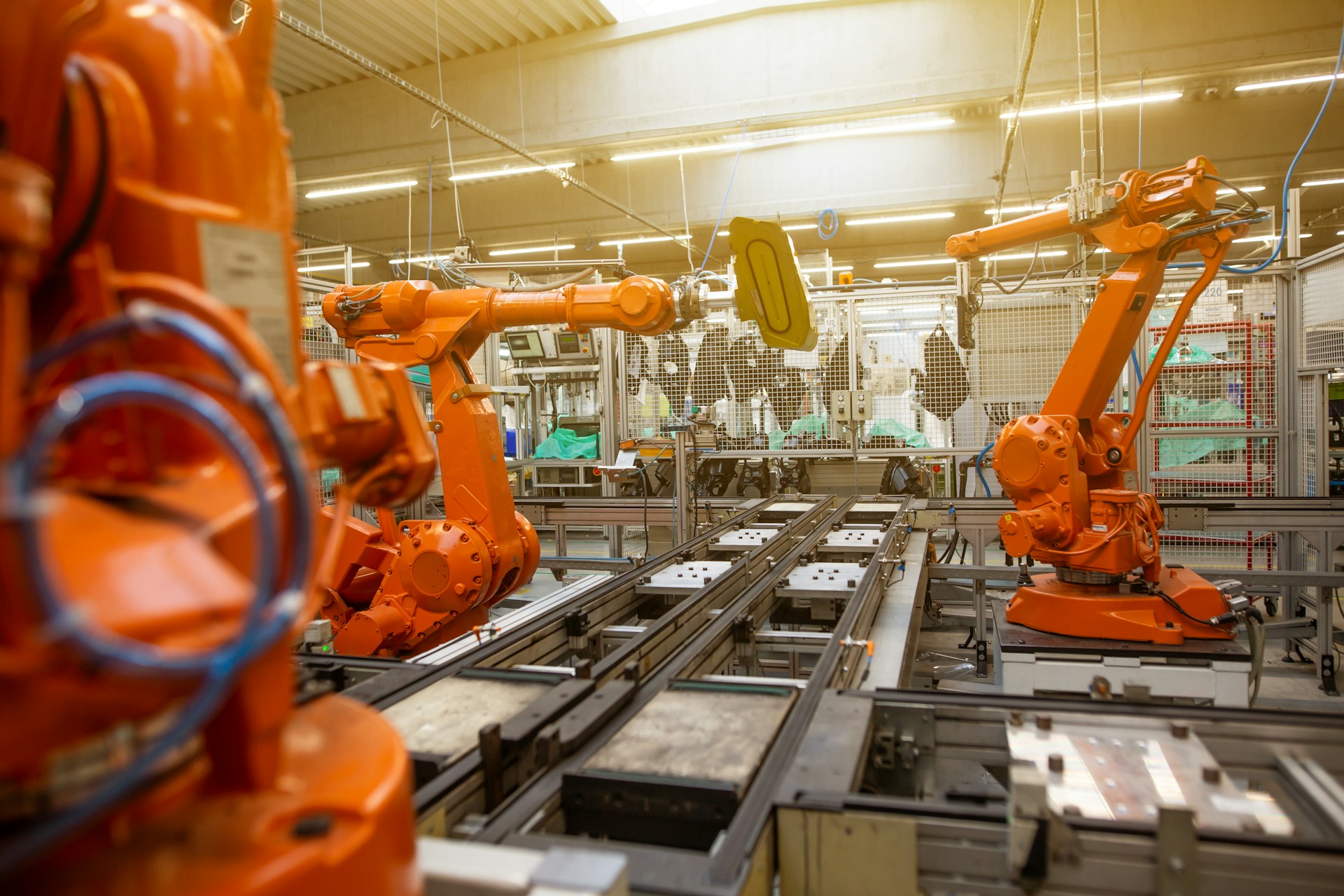
Aptiv says hundreds of robots from TARS and Shanghai Electric are being introduced to its production lines as the programme moves from technical validation towards larger-scale deployment.
The company has not identified the factories involved, the individual robot models or the number of machines that have completed installation and entered routine production. The figure of hundreds therefore describes the deployment programme rather than a verified count of robots already operating independently.
The partnerships also create a route for Aptiv to supply technology used within robotic equipment manufactured by the two companies. Its high-performance computing platforms and intelligent power distribution solutions are among the first products planned for integration.
Initial production of robotic platforms incorporating those technologies is targeted before the end of 2026. The companies have not disclosed production volumes, product prices or the commercial terms of the agreements.
The two aspects of the collaboration are closely connected. Aptiv’s factories can provide operating environments in which robotics systems are tested and refined, while the company can apply its experience in electronic systems and large-scale manufacturing to the products being developed by its partners.
Robots introduced into a working factory must operate around existing production equipment, materials and manufacturing procedures. Their performance can be affected by component variation, the position of workpieces and the need to coordinate with other machines.
An operation demonstrated successfully under controlled conditions may require further development before it can be repeated reliably across different production shifts or facilities. Variations in lighting, material presentation, fixtures and operating sequences can affect the behaviour of automated systems.
Data gathered during factory trials can help identify these constraints. Information about robot movements, task completion, interruptions and other operating conditions can provide a basis for adjusting the equipment or its control software.
Aptiv intends to use experience from the deployments to support the continued development of the robotic systems. The company has not published comparative data showing improvements in throughput, manufacturing quality or intervention frequency arising from the new partnerships.
The computing platforms supplied by Aptiv are intended to support functions such as perception, decision-making and motion control. These workloads require different types of processing and must operate together within the architecture of the robotic system.
Perception software interprets information gathered from cameras and other sensors. Depending on the application, it may be used to identify objects, estimate their position or detect conditions that affect the robot’s planned movement.
Motion planning uses information about the robot, its surroundings and the assigned task to determine a suitable movement. The resulting instructions must then be coordinated with the equipment responsible for controlling motors and other actuators.
The relationship between these functions influences the computing requirements of the machine. Image processing and machine learning may demand substantial processing capacity, while particular motion control operations require predictable timing.
A computing platform must also communicate with the sensors and control systems used in the robot. The available interfaces, processing resources and software architecture determine which functions can be supported by a particular hardware configuration.
Aptiv says its scalable computing architecture is designed to accommodate different robotic arrangements, allowing developers to reuse parts of the technology across products. The level of application portability will depend on the hardware configuration and the software interfaces used by each robot.
Electrical distribution is another part of the planned technology integration. A robotic system must provide power to its computing equipment, sensors, motors and other components within their specified operating limits.
Power requirements can change considerably during movement, particularly when several actuators operate together. The distribution architecture must accommodate the relevant loads while incorporating appropriate protection and control functions.
Thermal management also affects the integration of electronic systems. Processing hardware and power conversion equipment generate heat, and the arrangement of those components within the robot can influence the cooling methods required.
The combination of computing and electrical technologies therefore needs to be engineered for the complete machine rather than treated solely as the selection of individual components. Interface compatibility, physical packaging and operating conditions must be considered during development.
Aptiv has established experience in automotive electronic systems, including computing, electrical distribution, connectivity and software. The company is applying elements of that capability to robotics through collaborations with specialist equipment developers.
Automotive and industrial robotic systems have different operating requirements, but both depend on reliable electronic components, defined system interfaces and controlled operation. Engineering experience from one field can support development in another, subject to the additional requirements of the intended application.
Dr Simon Yang, president of Aptiv China and Asia Pacific, said the company was drawing on its automotive technology and manufacturing experience to support the development of robotics products for industrial use.
“Automotive and industrial robotics serve different applications, but they share many of the same requirements,” Yang said, identifying computing, safety, reliability and performance as common engineering concerns.
The collaborations with TARS and Shanghai Electric provide separate routes for evaluating equipment and integrating Aptiv technology. The company has not indicated that the two partners will use identical robots, computing platforms or manufacturing processes.
Each deployment will need to account for the requirements of the production activity concerned, including the appropriate safeguarding arrangements and the interaction between the robot and other equipment.
Industrial acceptance testing must establish whether the completed system performs its assigned task consistently under the anticipated operating conditions. Requirements can include movement accuracy, reliability, production cycle time and responses to equipment faults or unexpected conditions.
The partners’ work is intended to progress from development and validation towards repeated production use. Aptiv’s factory operations will provide information for that process, while its electronic systems are prepared for integration into commercial robotic platforms.
Aptiv expects initial production of the partner systems incorporating its computing and power distribution technologies before the end of 2026. Broader factory deployment will proceed as the robots complete validation and demonstrate their suitability for the manufacturing operations in which they are used.