German industrial production increased by 0.7% in September 2026, supported by a substantial rebound in automotive manufacturing, although lower machinery output and a decline across the third quarter showed that the improvement remained uneven.
Figures published on 6 November by the Federal Statistical Office of Germany (Destatis) show that price-adjusted production rose by 0.7% from August after seasonal and calendar adjustment.
Output was 0.4% higher than in September 2025 after adjustment for calendar effects. Across the third quarter, however, production was 0.4% below the level recorded during the second quarter, providing a less favourable indication of the underlying trend.
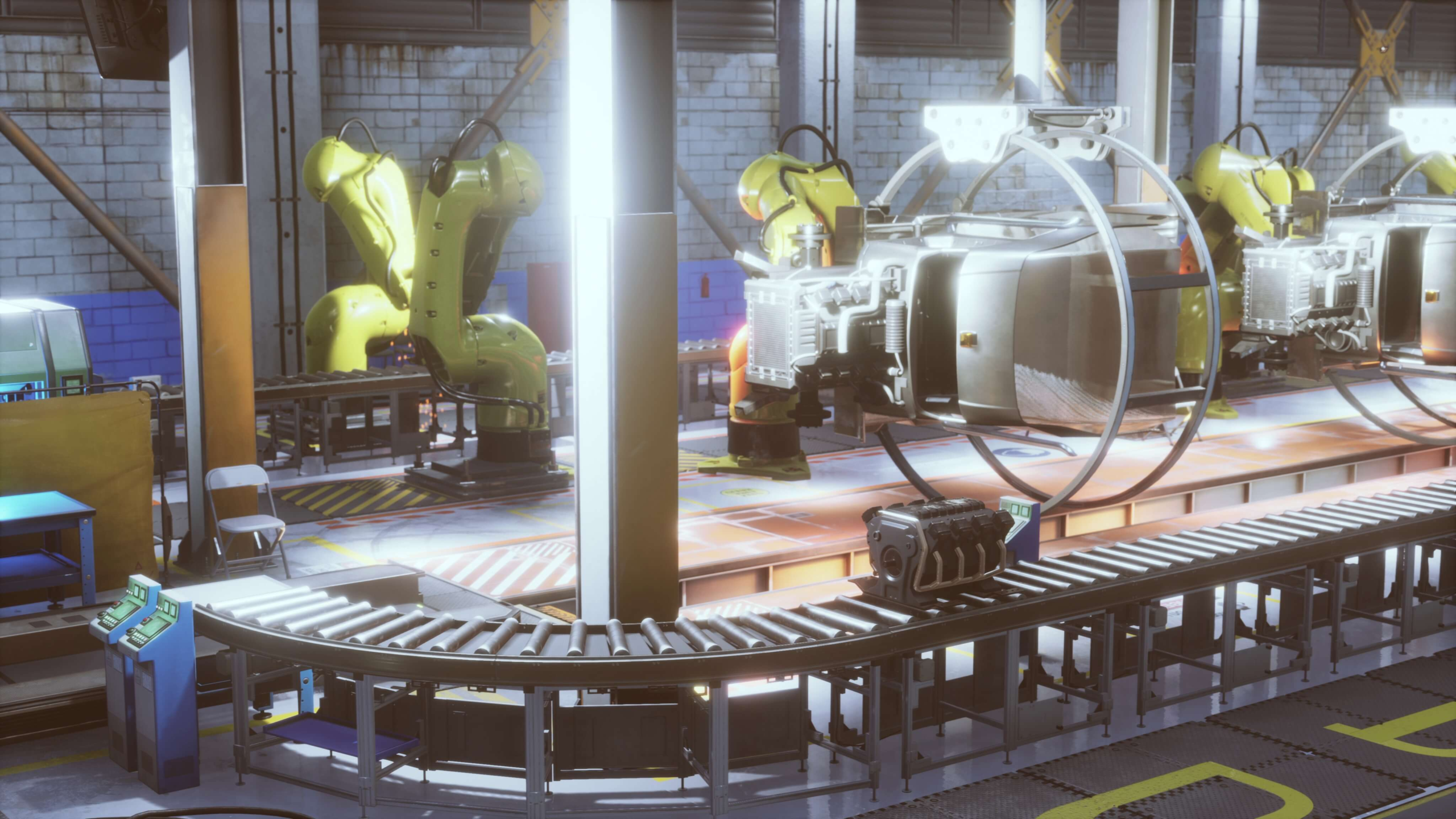
The September increase was largely driven by automotive manufacturing, where production rose 17.1% month on month. The industry had recorded comparatively low output during the preceding two months, partly because of factory holidays and production changeovers.
Scheduled shutdowns can create substantial movements in monthly vehicle production. Assembly lines may be stopped for holidays, maintenance or changes associated with a new model, after which output rises as normal operations resume.
The effect is especially visible in a sector with large integrated manufacturing facilities and defined production schedules. A return from unusually low output can generate a pronounced monthly increase without establishing that demand or production capacity has undergone an equivalent structural improvement.
Pharmaceutical manufacturing also contributed positively to September’s result, with output increasing by 8.0% after two weaker months. The increase was recorded in a sector whose manufacturing cycles and production requirements differ considerably from automotive assembly.
Pharmaceutical production may involve manufacturing schedules governed by process validation, quality testing and the requirements of individual products. Monthly movements consequently need to be interpreted within the broader conditions of each industry rather than treated as directly comparable changes in demand.
Machinery and equipment manufacturing moved in the opposite direction, recording a 6.5% fall in September after growth of 5.8% in August. This reversal offset part of the increase recorded elsewhere in the industrial economy.
Machinery production often depends on the delivery schedules of individual projects and equipment orders. The completion of a large manufacturing programme or a change in production timing can affect a month’s reported output, particularly where equipment is produced in relatively small quantities.
The industrial production index records the volume of output rather than the value of new orders. It therefore measures a different stage of manufacturing activity from the statistics used to assess incoming business and future production requirements.
Construction output declined by 2.6% during September, while energy production fell by 1.2%. These movements reduced the strength of the overall production result.
Excluding energy and construction, industrial production rose by 1.7%. Capital goods output increased by 3.0%, consumer goods production advanced by 0.8%, and intermediate goods manufacturing grew by just 0.1%.
Capital goods include machinery and other equipment used for productive investment. Intermediate goods are materials and components consumed during subsequent manufacturing operations, while consumer goods are produced for final use.
These categories bring together different industries, so an increase in the capital goods aggregate can occur at the same time as a decline in the machinery and equipment sector. Their movements reflect the changing composition of production across the economy.
Destatis also revised the August figures substantially. Its original estimate had shown production increasing by 2.0% from July, but the revised result was reduced to 1.0%.
The statistical office attributed much of that revision to additional information provided by construction businesses through advance turnover tax returns. The August figure therefore offers a weaker basis for interpreting the subsequent September increase than was available when the earlier estimate was first published.
Monthly industrial statistics are provisional because information can arrive after the initial publication. Subsequent revisions may alter the estimated output for particular industries and the aggregate production index, making longer periods useful when assessing trends.
Destatis also noted that a technical error had led to retrospective revisions of monthly production data for construction and the manufacture of other transport equipment, beginning with January 2021. The reported effects on the overall monthly index were limited to approximately 0.1 percentage point in either direction.
The three-month comparison is intended to reduce the influence of short-term variation. On that basis, industrial production declined by 0.4% in the third quarter despite the September increase.
Energy-intensive industries recorded a 0.8% production increase from August, but their output remained 3.5% below the second-quarter level when measured across the third quarter. Compared with September 2025, energy-intensive production was 1.9% lower.
These industries consume a substantial proportion of the energy used by German manufacturing. In the 2021 reference year, the five branches included in the energy-intensive group accounted for approximately 77% of industrial energy consumption but only 17% of industrial gross value added.
The figures reflect the concentration of energy demand within activities whose production processes require substantial amounts of heat, electricity or other energy inputs. Changes in their output can therefore influence industrial energy consumption as well as the reported production index.
Production decisions in these industries may be affected by energy costs, the availability of raw materials, equipment operating conditions and demand for the finished products. The September statistical release does not isolate the contribution of each factor to the changes recorded.
The production figures follow separate data showing that German manufacturing orders increased by 4.4% in September. That improvement included stronger automotive ordering activity, alongside the influence of large orders on the monthly total.
Orders and output need not increase at the same time. A new machinery order may require months of design, component procurement and assembly before the equipment contributes to recorded production, while a manufacturing plant may be producing goods against orders received in earlier periods.
The relationship is also affected by capacity utilisation, the availability of materials and the timing of customer deliveries. Stronger new orders can therefore support subsequent production without providing a guarantee of immediate output growth.
September’s industrial figures indicate improvement after a weak period, concentrated most visibly in automotive manufacturing. The decline in machinery output, the revised August reading and the negative third-quarter comparison show that the recovery had not become consistent across the industrial economy.
The next production releases will establish whether the automotive increase persists after the recovery from summer shutdowns and whether the improvement broadens into machinery, intermediate goods and energy-intensive manufacturing.