NEURA Robotics has formed a partnership with E.ON and the enviaM Group to develop robotic systems for electricity grid inspection, asset monitoring and work carried out in demanding infrastructure environments.
The collaboration, announced on 5 November, will initially concentrate on training robots for selected tasks before evaluating their performance within operational electricity networks. MITNETZ STROM, enviaM’s distribution network subsidiary, will provide the first practical trial environment.
The partners expect initial experience with robots working in real grid operations during 2027. They have not announced a fleet size, specified individual pilot locations or confirmed that robots are already undertaking autonomous maintenance activities.
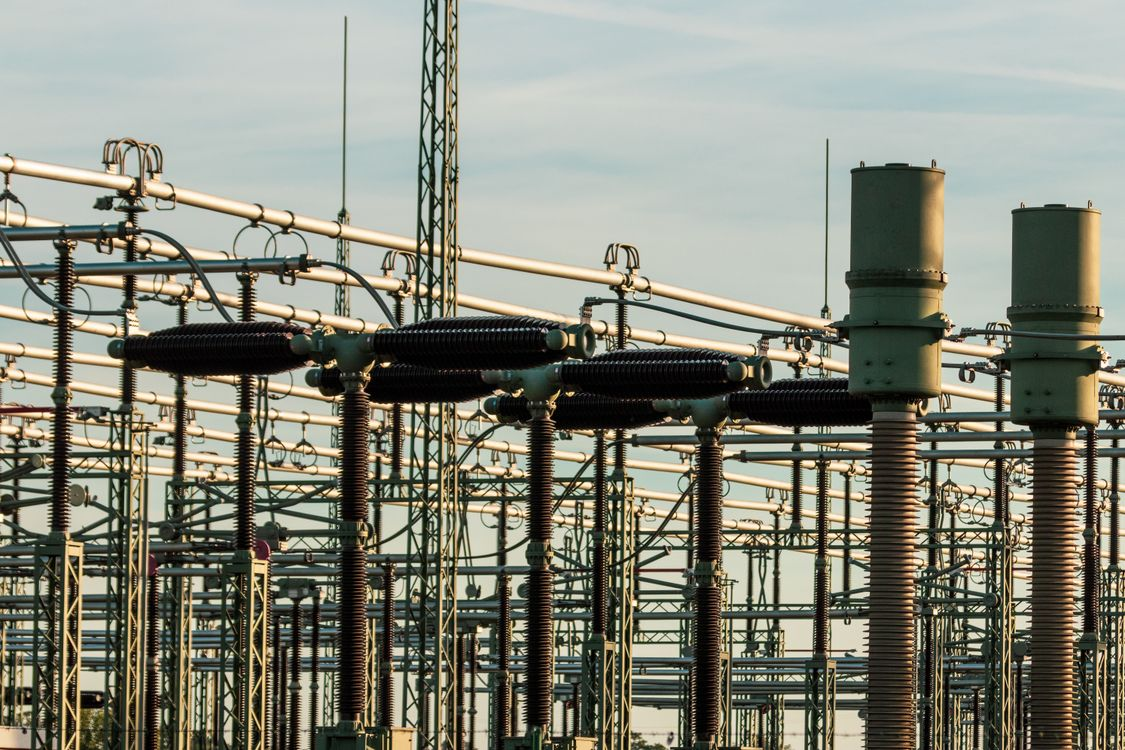
Electricity infrastructure requires regular inspection and monitoring to identify deterioration, abnormal equipment conditions and faults that could affect network operation. These activities take place across substations and other assets, where equipment arrangements and access conditions vary substantially.
Network operators already use fixed sensors, protection equipment and remote monitoring systems to collect information about their infrastructure. Certain conditions nevertheless require additional inspection, particularly where the relevant evidence involves physical damage, equipment appearance or the environment surrounding an installation.
Robotic systems could provide another way of gathering that information. Cameras and other sensors mounted on a mobile machine may allow specified checks to be undertaken without requiring an employee to carry out every inspection directly.
Whether a robot can perform a useful inspection depends on more than its ability to move through a facility. The machine must reach the relevant location, collect information of sufficient quality and provide results that can be interpreted within the network operator’s maintenance procedures.
The partners will also assess potential applications involving repetitive or physically demanding work, along with activities in environments where exposure to hazards makes direct human intervention undesirable.
Those tasks remain under evaluation. The partnership has not established that robots are authorised to operate independently near live high-voltage equipment or perform electrical maintenance without human supervision.
Development will begin at TUM RoboGym powered by NEURA, a training centre established by NEURA Robotics and the Technical University of Munich at LabCampus near Munich Airport.
Opened in October 2026, the facility covers more than 2,300 square metres and supports the development of robotic capabilities using demonstrations, physical testing and simulated operating conditions.
Companies from more than ten industries are already using the centre to develop specific robotic workflows. The addition of E.ON and enviaM introduces electricity infrastructure applications into this training environment.
Engineers and network personnel will work together to identify tasks that could be suitable for automation. Employees experienced in operating grid equipment will contribute information about the movements, checks and decisions involved in each activity.
Human demonstrations provide one source of training data. Movement tracking, teleoperation and other methods can record how a task is performed, allowing researchers to develop examples that a robotic control system can use during subsequent training.
Data collected from the robots themselves provides further information about movement, contact and the outcome of attempted actions. Repeated trials can reveal circumstances in which the system performs inconsistently or encounters conditions outside those represented during initial development.
Simulation will supplement this work by introducing additional variations in equipment position, operating conditions and task sequences. Capabilities developed through simulated examples must still be checked on physical machines before the partners can establish their suitability for deployment.
The training process will use NEURA’s Neuron AI technology, which combines several forms of sensory information. The company describes a multimodal system using three-dimensional vision, touch, sound, robot state and language alongside memory functions.
These inputs could support inspection activities in which visual information alone does not fully describe an equipment condition. An unusual sound or physical response may provide additional evidence, although the usefulness of those signals depends on sensor capability and the interpretation developed for the particular task.
Electricity infrastructure also presents physical access problems. Substations and associated buildings were generally designed for people, with doors, steps, control cabinets and equipment arranged around conventional working practices.
NEURA sees potential for humanoid systems, including its 4NE1 platform, to operate within some of these existing environments. The company has not confirmed that a particular robot model will be deployed during every stage of the grid partnership.
Robot mobility and manipulation capabilities must be assessed against the access arrangements at individual installations. A machine capable of opening one type of door or operating on a level floor may not be suitable for every site, particularly where restricted spaces or uneven surfaces are encountered.
NEURA’s Neuraverse platform will connect the development and management of robotic skills with their subsequent use. The system is intended to allow trained capabilities to be stored, refined and made available to compatible machines and applications.
The partners envisage a process in which a task developed at RoboGym can eventually be reused at other suitable locations. Transfer between robots or sites will still require consideration of differences in equipment, operating conditions and the capabilities of the machines involved.
E.ON and enviaM will retain control over their operational data and trained robotic skills, including decisions about whether that information is shared with other participants through Neuraverse.
Data management is relevant because records collected during infrastructure inspections may contain information about equipment configurations, site conditions and operational procedures. The partnership has identified control of that information as part of the planned collaboration.
David Reger, founder and chief executive of NEURA Robotics, said the company would use the partnership to develop skills based on the practical experience of electricity network personnel.
E.ON’s senior vice president for innovation, Stefan Padberg, linked the work to the growing requirements placed on electricity networks by electrification and changes in energy supply.
Stephan Lowis, chief executive of the enviaM Group, said the company expects robots to provide assistance with demanding work while employees retain responsibility for tasks requiring specialist operational experience.
MITNETZ STROM operates approximately 71,000 kilometres of electricity distribution network in parts of eastern Germany. The geographical spread of those assets provides a range of possible inspection conditions, although the first trials will cover selected use cases rather than the network as a whole.
The new agreement concerns field applications and differs from NEURA’s earlier work with NXAI on memory functions for industrial robots. Both developments form part of NEURA’s wider effort to support machines that learn and adapt during industrial tasks.
The next work will involve selecting suitable inspection and support activities, developing the relevant robotic capabilities under controlled conditions and preparing them for testing with MITNETZ STROM. The results expected during 2027 will determine which applications can progress towards repeated use in operational grid environments.