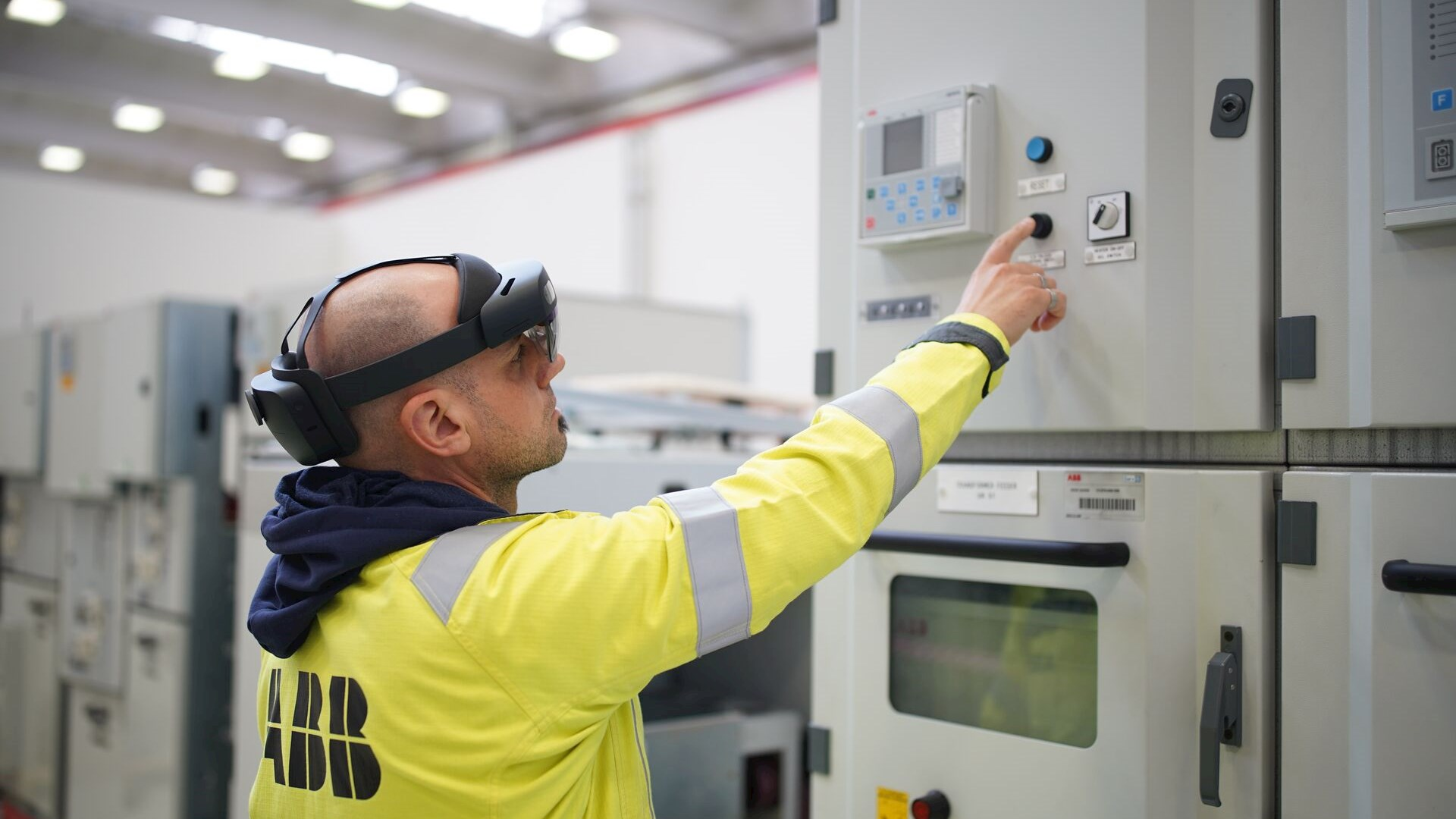
ABB will invest $50 million in an additional electrical equipment manufacturing facility in Selmer, Tennessee, expanding its Industrial Connections & Solutions operations and creating 227 new jobs in McNairy County.
The project involves the construction of a 120,000 sq ft building at the Selmer/McNairy Industrial Park, alongside a recently completed 325,000 sq ft ABB facility developed through an earlier expansion programme.
Confirmed by the Tennessee Department of Economic and Community Development on 5 November, the investment will support the manufacture and distribution of busway and bus plug systems, alongside other electrical products.
ABB will also relocate manufacturing equipment and employees from its existing Fourth Street operation in Selmer to the industrial park. The move will be undertaken in stages during 2027, with most equipment and personnel scheduled to transfer into the larger completed building before the remaining operations move into the new facility.
The company expects approximately 90% of its existing equipment and employees to relocate during the first half of 2027. The remaining workforce and equipment are expected to transfer during the second half of the year.
The 227 positions associated with the latest project are new jobs rather than a count of employees moving between the company’s buildings. ABB expects its total workforce across five Tennessee locations to exceed 1,500 following the expansion.
Industrial Connections & Solutions supplies electrical distribution equipment used in industrial and commercial installations. Its products include systems that provide power connections between the main electrical supply and equipment operating throughout a facility.
Busway consists of electrical conductors enclosed within a protective assembly, providing a defined distribution path through which power can be supplied to connected loads. Depending on the design, the equipment can be arranged along building structures or production areas requiring substantial electrical capacity.
Bus plugs allow compatible equipment to be connected at designated points along the busway. These connections may incorporate switching and protective functions suited to the requirements of the downstream installation.
The arrangement differs from distribution systems relying on individual cable circuits routed from a central point to every load. A busway installation can provide connection positions along a shared distribution route, potentially simplifying changes to equipment layouts when the original design includes sufficient capacity and compatible connection arrangements.
That flexibility depends on the configuration selected. A system must still be engineered for the available supply, the expected electrical loads and the conditions encountered during operation.
Electrical distribution assemblies require appropriate insulation, mechanical protection and control of temperature rise during use. Their components must also withstand the electrical and mechanical stresses associated with normal operation and specified fault conditions.
The selection of conductors and connections is influenced by current rating and the method used to dissipate heat. Electrical resistance generates heat during operation, making conductor geometry, material selection and the quality of connections important considerations.
Protective equipment must respond appropriately when electrical faults occur. The performance of a completed distribution system therefore depends on the coordination of its components as well as the ratings of individual conductors and enclosures.
Manufacturing these products involves several connected operations, potentially including the production of conductors, fabrication of enclosures, insulation assembly, electrical connections and testing. The exact processes used at the new Selmer facility have not been specified in the state announcement.
Quality control is particularly important where completed products must satisfy electrical performance and safety requirements. Dimensional consistency, the condition of connection surfaces and the correct assembly of insulation and protective components can affect the performance of the equipment.
ABB’s new facility will increase the space available for these manufacturing and distribution activities. The company has not disclosed an annual production capacity or a specific target for the number of busway assemblies it expects to produce.
The new project follows an earlier investment in the same industrial park. The 325,000 sq ft building has now been completed, providing the location into which most of ABB’s existing Selmer operations are expected to move during the first phase of the relocation.
Establishing production in a new facility requires more than transferring machinery. Equipment must be positioned, connected to the necessary utilities and brought into operation with material handling and production processes arranged around the new layout.
During a phased relocation, individual production activities may need to continue while other equipment is moved or commissioned. The company has not published a line-by-line transfer programme or confirmed the exact periods of any planned production interruptions.
Adrian Guggisberg, president of ABB Distribution Solutions, said the investment would expand the company’s manufacturing presence in an important market and support the requirements of customers purchasing electrical distribution equipment.
ABB has described the project as part of its local-for-local manufacturing strategy, under which equipment is produced closer to the markets where it will be supplied and installed.
Domestic production can reduce dependence on some international transport movements, but the resilience of the finished equipment supply chain also depends on the origin and availability of components and raw materials used during manufacture.
The company’s Tennessee operations form part of a wider manufacturing network supporting electrification and automation. Its customers include businesses developing industrial facilities, commercial buildings and other installations with significant electrical distribution requirements.
Such projects can involve different technical specifications according to their available power supplies, operating conditions and planned equipment loads. Manufacturers must therefore maintain production arrangements capable of meeting the requirements of the particular products ordered.
The industrial park has previously received Tennessee site development grants associated with preparing the location for manufacturing investment. The grants supported development activity before the latest ABB expansion was confirmed.
ABB has not announced a separate opening date for the 120,000 sq ft building or specified how the 227 jobs will be distributed across manufacturing, logistics, engineering and support functions.
The next operational milestone will be the first-half 2027 transfer of most existing equipment and employees into the larger completed facility. Occupation of the additional building is expected during the second half of the year, completing the relocation and providing space for the expanded electrical manufacturing operation.