Aduro Clean Technologies has selected Saipem for early engineering and procurement support on its planned first industrial Hydrochemolytic Technology facility at Chemelot in the Netherlands.
The initial programme covers review of Aduro’s process design package, optimisation of critical equipment packages, preliminary integration with site utilities, procurement activity, and refinement of capital costs. The work sits before front-end engineering design, giving the project another technical gate before larger construction commitments are considered.
Aduro is developing Hydrochemolytic Technology, or HCT, for conversion of lower-value feedstocks including waste plastics, heavy bitumen, and renewable oils. The Chemelot facility is intended to become the first industrial-scale implementation of the process and to establish an engineering and operating basis for possible later commercial plants.
Saipem is therefore entering the programme while the design remains deliberately open to revision. Aduro intends to feed operating data from its Next Generation Process pilot plant into the industrial design, allowing pilot campaigns to influence equipment selection, process conditions, and other engineering decisions before the project becomes more expensive to change.
That approach is particularly important for a first-of-a-kind process plant. Laboratory chemistry can demonstrate that a conversion route works, while a pilot can show sustained operation at a useful intermediate scale. Neither automatically proves that a complete industrial plant will run reliably once feedstock handling, utilities, maintenance, controls, product quality, and equipment availability are included.
Scale-up can expose issues that are barely visible during smaller trials. Heat transfer, solids movement, corrosion, fouling, residence time, reaction control, pumping, gas handling, contamination, and shutdown behaviour can all change as throughput rises and equipment moves from research-scale apparatus to commercially sourced machinery.
Saipem’s early scope concentrates on several areas likely to reveal those problems. Reviewing the process design package tests whether the engineering assumptions are sufficiently complete, while optimising critical equipment packages asks whether proposed machinery is available at the required duty and can be integrated without creating avoidable cost or operational risk.
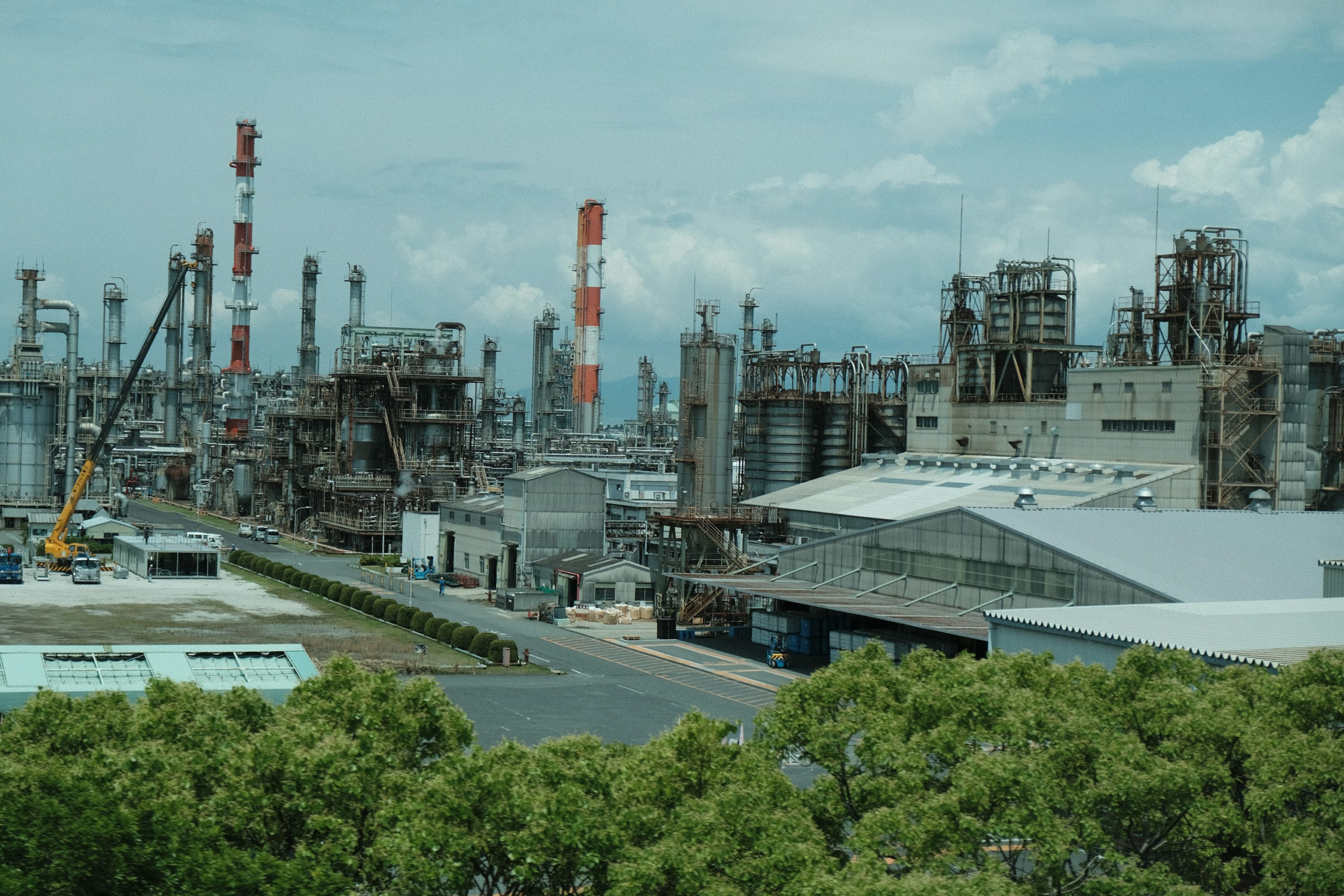
Utility integration is equally consequential. Chemelot is an established chemical industrial site, but locating a new process within an existing complex does not make electricity, steam, water, cooling, wastewater, storage, safety systems, and logistics automatically available in the form or capacity required.
Each interface has to be defined against the site’s existing infrastructure. A process that requires additional steam pressure, cooling capacity, electrical load, treatment capability, or waste handling may need investment beyond the central HCT equipment itself, changing both capital cost and the commercial case for the plant.
Capital-cost refinement during the early stage will therefore be an important filter. Emerging chemical-recycling technologies can appear attractive when attention is concentrated on the core reactor or conversion chemistry, but industrial costs also include piping, vessels, heat exchangers, pumps, controls, structural steel, civil works, electrical infrastructure, utilities, fire protection, buildings, storage, commissioning, and contingency.
Aduro says the present early-works programme will be funded from existing cash resources and is not expected to require additional financing. That statement applies to the engineering phase rather than construction of the complete FOAK facility, for which a final investment decision and full financing package have not been announced.
The development model is explicitly stage-gated. Subject to completion of the early work, continued project evaluation, and execution of definitive agreements, Aduro and Saipem could progress into FEED, detailed engineering, procurement, construction, commissioning, and start-up.
Those later phases should therefore not be treated as awarded work. Aduro’s own announcement lists engineering, equipment availability, permitting, financing, construction, commissioning, and scale-up among the risks that still sit between the present programme and an operating industrial plant.
The company has already been advancing other Chemelot workstreams around permitting, feedstock logistics, customer engagement, site integration, and commercial planning. Earlier pilot campaigns are also being used to establish yield, product characteristics, process response, and design information needed to narrow some of the remaining scale-up uncertainty.
That information becomes more valuable when an engineering contractor can challenge it against the requirements of an actual plant. A promising process condition has to be translated into equipment sizes, metallurgy, control philosophy, utility loads, maintenance strategy, and construction packages before it becomes useful to an operator.
Saipem’s appointment moves the Chemelot project further into that translation process. Aduro has not yet crossed the line into full plant execution, and that distinction matters. The current engineering work exists precisely to determine whether the technology and project definition are mature enough to justify crossing it.