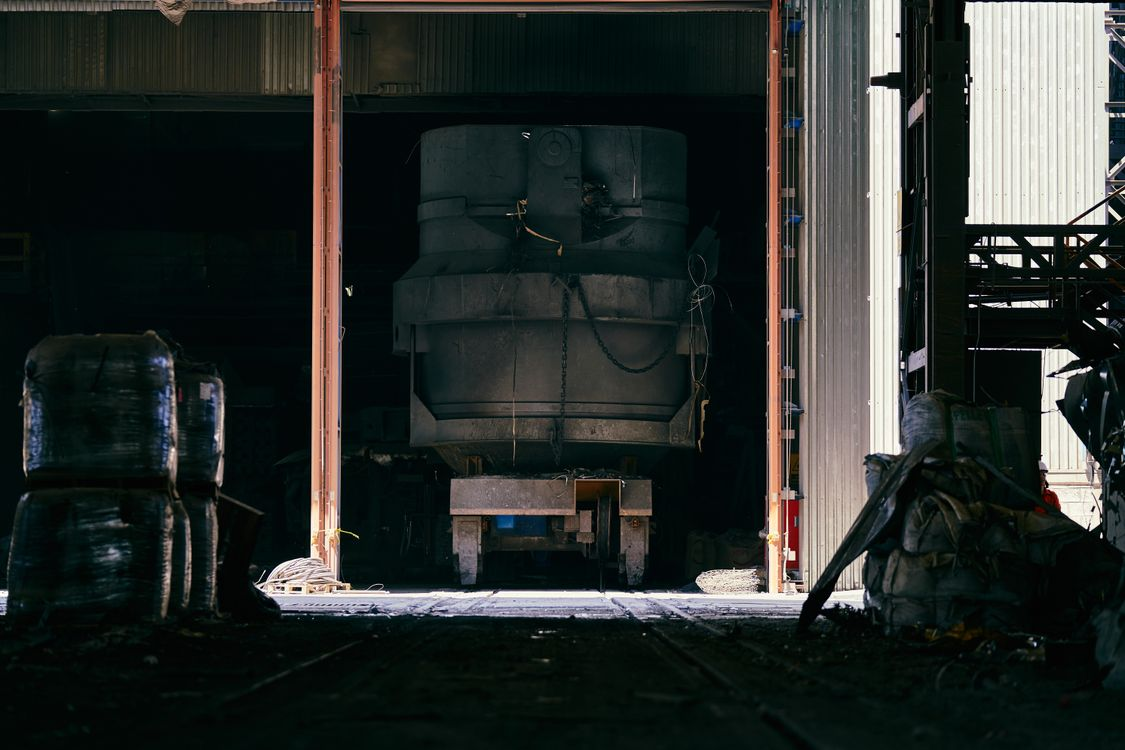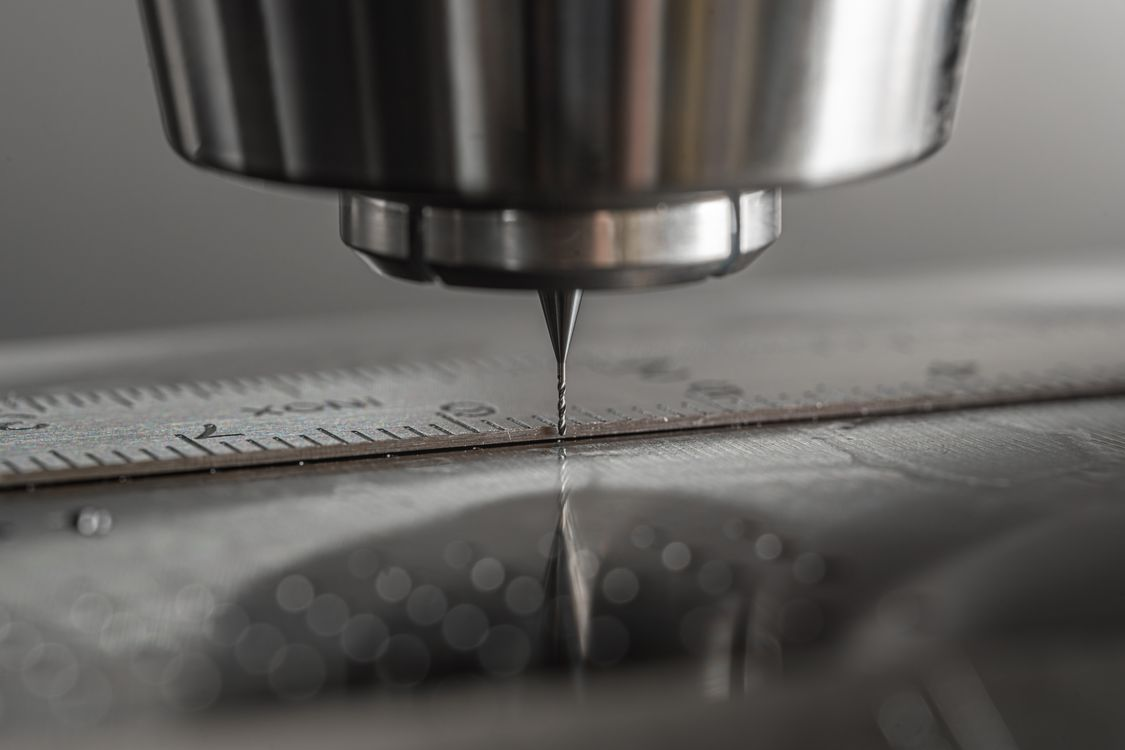
Rheinmetall has formally opened its UK Gun Hall in Telford, restoring the domestic production of large calibre weapon components after a gap of around two decades. The facility is already manufacturing breech components and barrels, with the first production work completed before the opening ceremony on 22 October.
The converted industrial building provides 11,500 square metres of production space. At planned peak capacity it will be able to produce up to 245 barrels a year across 120mm and 155mm calibres, together with more than 50 breeches. Those figures describe the facility's potential annual output, not the volume it has already produced in 2026.
The project moved from an empty building to operational manufacturing capability in eight months. Rheinmetall installed and commissioned equipment while training British employees and transferring specialist production knowledge from its established operations at Unterlüß in Germany.
Production of breeches and breech blocks began in May, followed by barrels in June. The first components have been manufactured at the Telford site, which will support the Challenger 3 tank programme and future artillery requirements. Rheinmetall has not published a year-by-year schedule for reaching full production capacity.
A gun barrel and its breech must operate as related parts of a high-pressure mechanical system, but their manufacturing requirements are different. The barrel guides a projectile along a defined axis and must maintain suitable geometry and material integrity under the conditions specified for the weapon. The breech closes the chamber during operation and must meet the design's mechanical and safety requirements.
Manufacturing such components relies on controlled materials, accurate machining and extensive verification against engineering specifications. Long components present challenges in maintaining dimensional consistency across their full length, while finished surfaces and interfaces must conform to the requirements of the complete system. Specific production methods at Telford have not been disclosed in enough detail to describe individual machining sequences.
The facility is intended to manufacture 120mm components associated with tank systems and 155mm components used for artillery. Although those calibres describe bore dimensions, finished components must be suitable for particular weapon assemblies and qualified to the applicable programme specifications. A capacity figure covering both calibres does not establish how production will be divided between them.
The new operation strengthens a domestic manufacturing route for equipment supplied to British and allied defence programmes. It does not mean that every raw material or specialised component used in the finished systems already comes from the UK. Rheinmetall's own announcement identifies further domestic sourcing as an objective rather than an entirely completed transition.
The company intends to introduce steel from Sheffield Forgemasters into production. That would extend the British contribution to an upstream stage of the supply chain, but Rheinmetall has not confirmed that these materials are already being used in each manufactured barrel or breech. Qualification and acceptance requirements will determine how material supply is incorporated.
The Telford investment forms part of the industrial relationship between Britain and Germany associated with the Trinity House Agreement. Rheinmetall's German operations have provided manufacturing expertise, while the new site establishes a British location for specified production activities. The arrangement shows how knowledge transfer and domestic capacity can develop together without implying that the supply chain has become entirely independent of overseas operations.
Employees from the UK operation trained in Germany before bringing their experience to Telford. The programme covered specialist production methods and quality assurance, which are necessary when equipment and manufacturing capability are introduced into a new location. Transfer of technical documentation alone would not establish repeatable production without trained workers and functioning inspection processes.
Local recruitment adds to that capability. The project is expected to support more than 100 skilled jobs as production increases, although reported employment figures vary according to whether they describe the current Gun Hall workforce or the planned workforce at maturity. It would be misleading to present the full planned employment figure as already achieved.
Rebecca Richards, managing director of Rheinmetall UK, described the opening as the culmination of an eight-month conversion and workforce development programme. The company also intends to work with British engineering suppliers as the operation expands, potentially adding machining, maintenance and specialist manufacturing opportunities beyond the facility itself.
The UK Gun Hall sits alongside Rheinmetall's existing British involvement in armoured vehicle and artillery programmes. Those projects provide a commercial context for the new capability, but the opening does not establish that every relevant contract will be fulfilled entirely from Telford.
With breech production under way since May and barrel manufacture since June, the immediate next steps are to stabilise operations, increase output and qualify further domestic supply arrangements. Actual annual production, employment growth and the use of British steel will provide clearer measures of how quickly the new manufacturing capacity approaches the company's stated objectives.