German battery recycling company cylib has signed an agreement to acquire BASF’s international battery recycling business, including processing facilities in Schwarzheide, Germany, as the chemical manufacturer concentrates its battery materials division on cathode active materials.
The agreement was signed on 20 November 2026 and disclosed three days later. Completion is expected during the second or third quarter of 2027, subject to regulatory approvals and customary closing conditions.
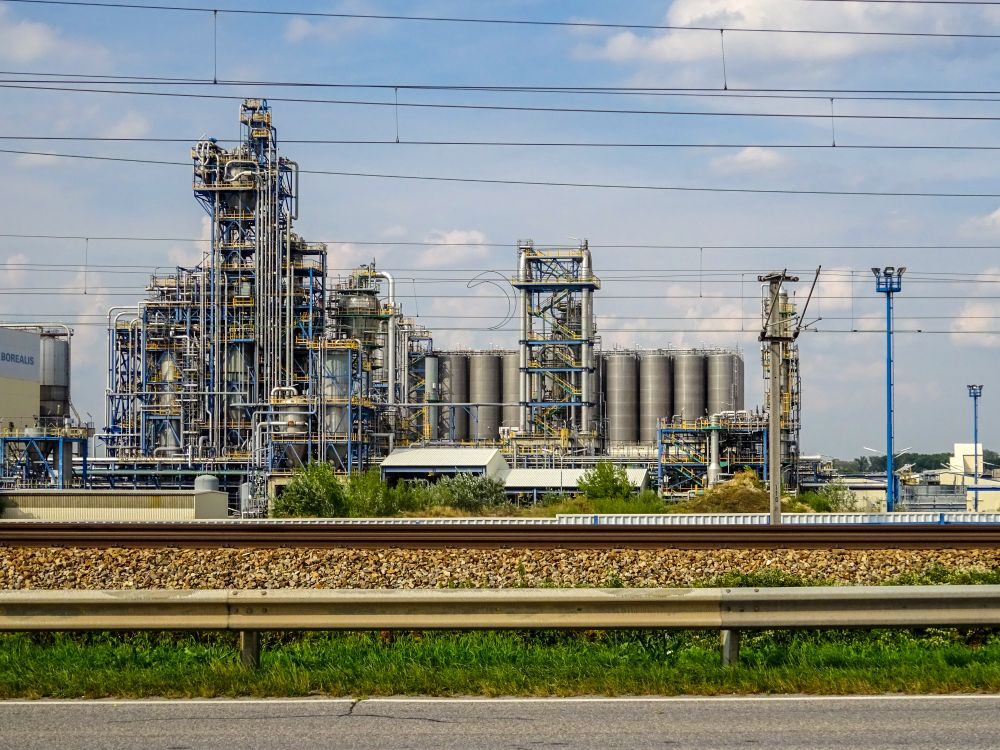
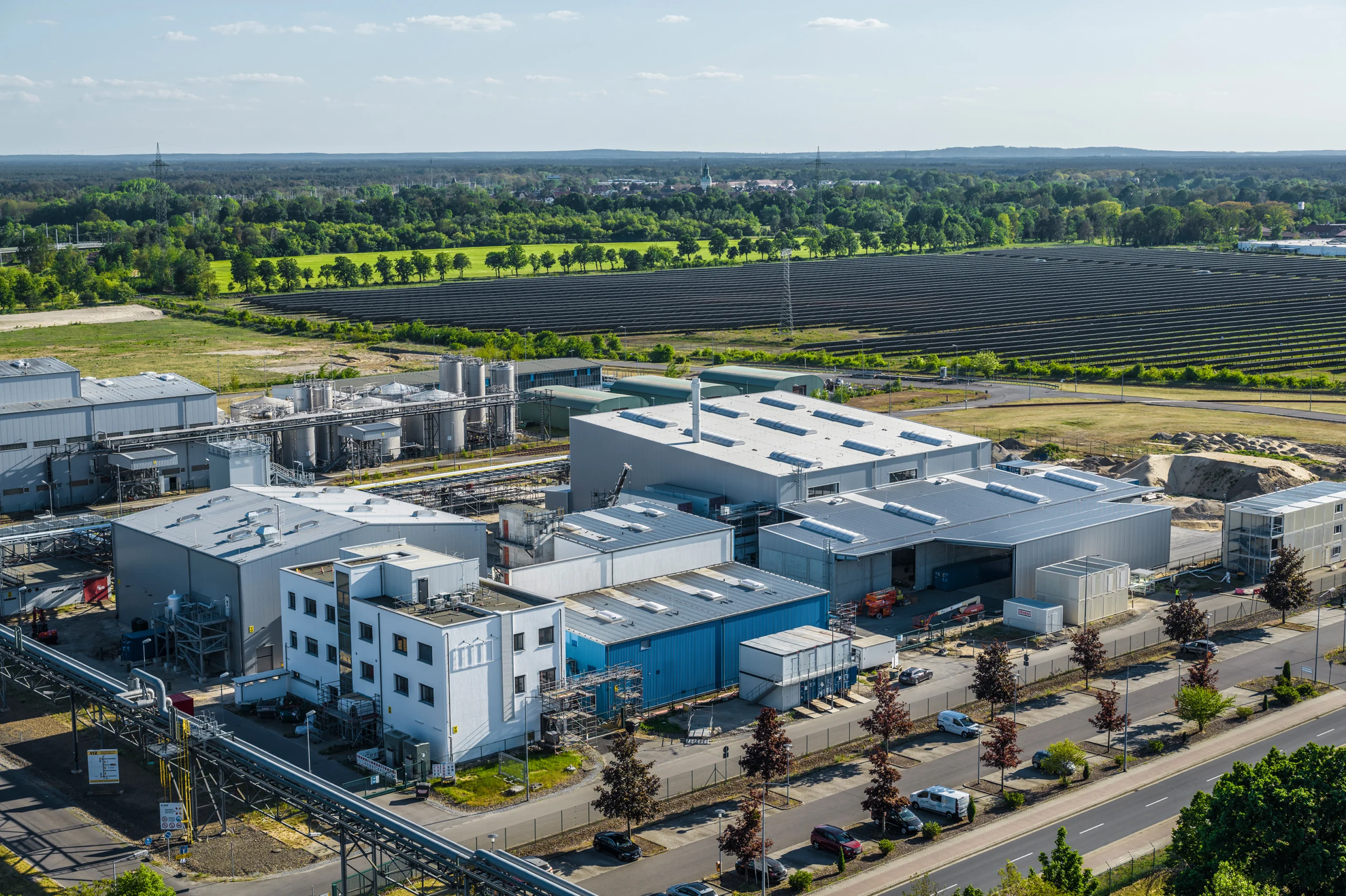
The transaction covers BASF’s battery recycling activities in Europe and North America, together with intellectual property, customer contracts and partner relationships. The physical assets include a black mass production plant and a battery recycling prototype plant at the Schwarzheide industrial site.
Neither company has disclosed the financial terms. BASF will continue managing the recycling business and its customer communications until the transaction closes, while the parties prepare for the proposed transfer.
The acquisition would expand cylib’s existing industrial network and introduce additional processing capacity, technical expertise and commercial relationships. It would also provide access to BASF’s established recycling activities and customer connections in North America.
cylib is developing a battery recycling operation intended to recover valuable materials from used lithium-ion batteries and manufacturing scrap. Its activities include research and development in Aachen and mechanical battery processing in Bavaria, with a hydrometallurgical facility planned in Dormagen.
The Schwarzheide assets would add an established industrial operation producing black mass, an intermediate material generated during battery recycling. That activity is distinct from the manufacture of cathode active materials, which BASF intends to retain as the focus of its battery materials business.
Battery recycling begins with the collection, assessment and preparation of material for processing. Depending on the condition and design of a battery, preparatory activities may include electrical discharge, dismantling and separation of components before mechanical treatment.
Used lithium-ion batteries can retain substantial electrical energy and contain materials requiring controlled handling. Damaged cells and inappropriate processing conditions can create electrical, thermal and chemical hazards, making suitable equipment and operating procedures essential.
Mechanical processing separates components into different material streams. Metals associated with enclosures and current collectors, plastics and other materials can be removed or recovered, while processed electrode material forms part of the black mass fraction.
The composition of black mass varies according to the batteries being processed. Different cell chemistries contain different proportions of lithium, nickel, cobalt, manganese, iron, phosphate and other constituents, influencing the potential value and recovery requirements of the resulting material.
Mechanical processing does not generally convert those constituents directly into the refined chemicals required for new battery production. Further treatment is necessary to separate the relevant materials and produce outputs that meet the specifications of downstream industrial customers.
Hydrometallurgical recovery uses liquid-phase chemical processes to separate selected elements from the processed material. Depending on the feedstock and technology, the sequence may include leaching, purification and recovery operations designed to produce materials suitable for further processing.
Recovery performance depends on the composition and quality of the incoming material, the selected process and the specifications required for the finished products. A recycling operation therefore needs to manage both the variability of its feedstock and the consistency expected by customers.
The Schwarzheide black mass plant would give cylib another location for preparing battery material before subsequent recovery processes. Its prototype plant would also provide facilities associated with recycling process development, although the parties have not disclosed a detailed integration plan or the capacity of the prototype operation.
cylib’s planned hydrometallurgical development at Dormagen represents a different stage of the recycling chain. The company intends to establish additional recovery capabilities there, but the project remains under development and should not be described as a fully operational commercial facility.
Connecting mechanical and chemical processing requires arrangements for transporting intermediate materials between sites. Black mass has different handling characteristics from intact battery packs or refined chemicals, so storage, packaging and transport must be suited to the material being moved.
Variations in battery chemistry create further operational requirements. A facility receiving material from different manufacturers may need to identify and manage incoming feedstock according to its composition and condition before assigning it to a processing route.
Reliable material information and traceability can support those decisions. Processing records help establish which material has entered a particular operation, the treatment applied and the quality of the resulting product.
The acquisition also includes commercial relationships and intellectual property developed through BASF’s existing recycling activities. These could support the expansion of cylib’s operations, although the companies have not identified the individual technologies, patents or contract values being transferred.
BASF’s decision forms part of a wider change in its battery materials strategy. The company intends to focus the division on cathode active materials, where it sees opportunities associated with specialised chemistry, customer-specific product development and manufacturing expertise.
At Schwarzheide, BASF has separately begun supplying cathode active materials to CATL. That production activity is not part of the announced recycling disposal and should not be confused with the black mass and prototype recycling facilities covered by the proposed acquisition.
BASF is also examining strategic options for its mothballed battery materials facilities in Battle Creek, Michigan, and Harjavalta, Finland. Those reviews concern separate assets and have not been identified as part of the agreement with cylib.
The proposed transaction could strengthen the connection between battery collection, mechanical processing and subsequent material recovery within cylib’s expanding network. The scale of that contribution will depend on operating capacity, available feedstock, recovery performance and the company’s ability to integrate the acquired facilities.
Commercial recycling operations also depend on the availability of material. End-of-life battery volumes are influenced by the age and use of vehicles and other equipment, while manufacturing scrap depends on the level of production activity at battery factories.
The resulting supply can change as battery chemistries and manufacturing processes evolve. Recycling businesses must therefore consider the composition and quantity of expected feedstock when planning equipment capacity and the markets for recovered products.
Neither BASF nor cylib has disclosed the number of employees transferring, the acquisition price or a forecast for additional recycling throughput resulting from the agreement. The companies have confirmed that existing customer and partner relationships are intended to continue.
BASF will retain responsibility for managing the business until closing. Subject to the required approvals, cylib expects to complete the acquisition between April and September 2027 before integrating the Schwarzheide facilities and associated commercial relationships into its wider recycling operation.