ABB has achieved UL 2799 Zero Waste to Landfill Gold recognition at its gearless mill drive ring motor factory in Bilbao, Spain, following independent validation of a 98% landfill diversion rate.
The facility manufactures large electrical components used in grinding systems at mining operations around the world. According to ABB’s calculations, the validated waste management arrangements divert approximately 221 metric tonnes of material from landfill annually.
UL Solutions assessed the factory’s waste handling practices and identified no non-conformities during its final on-site audit. The assessment examined the management and destination of waste generated by the manufacturing operation.
Under UL 2799, Gold recognition applies to facilities achieving landfill diversion rates between 95% and 99%. The standard provides a framework for evaluating claims about waste management using documented material flows and independent verification.
ABB’s reported 98% diversion rate includes 7% of waste processed through thermal treatment with energy recovery. The figure must therefore be distinguished from the percentage of material recycled or returned to productive use through other recovery routes.
Waste diversion can involve several forms of management, including reuse, recycling, material recovery and eligible treatment processes. These routes differ in their treatment of materials and do not provide identical environmental outcomes.
Energy recovery typically involves processing waste to obtain usable energy, rather than returning the original material to manufacturing. UL 2799 consequently includes additional conditions governing the contribution that waste-to-energy treatment can make towards a facility’s recognised diversion performance.
ABB’s Bilbao result satisfies the Gold classification. It does not mean that the factory produces no waste or that all material leaving the site is recycled.
The manufacturing facility covers approximately 20,000 square metres and has produced more than 110 ring motors supplied to customers in over 25 countries. Its equipment forms part of ABB’s gearless mill drive systems used in mineral processing.
A gearless mill drive provides the torque needed to rotate a large grinding mill without using a conventional gearbox between the drive motor and the mill. The arrangement incorporates a ring motor around the mill, with electromagnetic forces producing the required rotational movement.
Grinding mills reduce mined material to particle sizes suitable for subsequent processing and separation. The equipment operates under substantial mechanical loads, making the manufacture and quality assurance of its drive components important to plant reliability.
Ring motors differ considerably from conventional small industrial motors. Their dimensions require specialist assembly, lifting and handling arrangements, while electrical and mechanical components must be manufactured to the specifications of each mining installation.
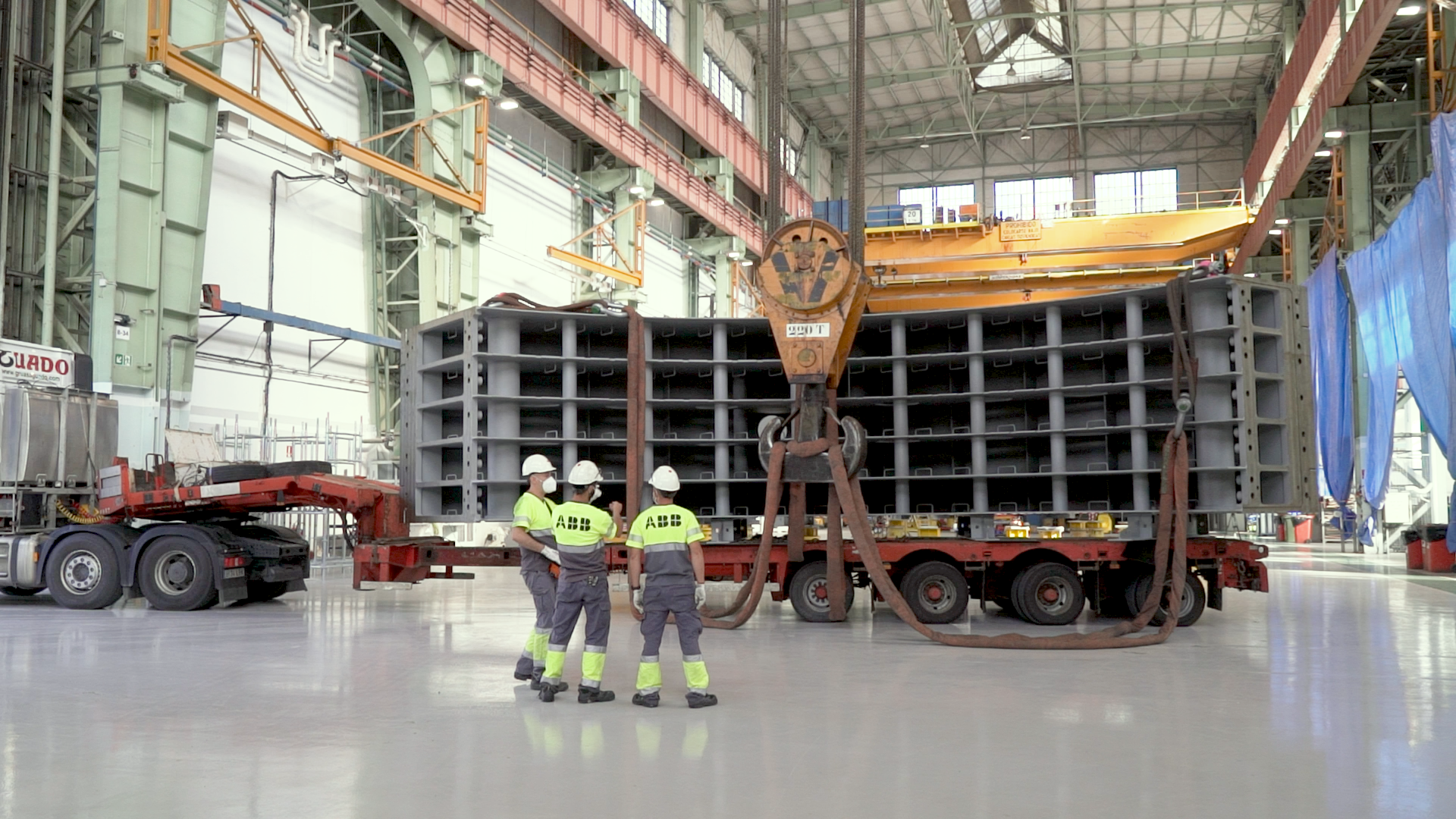
ABB’s Bilbao factory has an assembly area with lifting capacity of 400 tonnes. Its manufacturing work includes motor engineering, winding preparation, component assembly and testing, supported by relationships with specialist suppliers.
These activities can generate different types of industrial waste, including material arising from fabrication, machining, electrical assembly, packaging and production support operations.
The quantities and composition of waste depend on the work being performed. A facility producing customised heavy equipment may experience changes in material use as component designs, manufacturing schedules and production volumes vary.
Maintaining a high diversion rate requires the relevant waste streams to be identified and managed through suitable collection and treatment arrangements. Segregation at source can improve the ability to send materials to appropriate recovery processes.
Materials that become mixed or contaminated may require additional treatment or may no longer be suitable for certain recycling routes. Consistent handling procedures can therefore influence the final destination of waste as well as the cost of managing it.
ABB attributes the Bilbao achievement to changes in waste management processes, increased material recovery and more systematic tracking of waste movements. The company has also strengthened the recording and transparency of waste information at the site.
Waste tracking involves recording the quantity and characteristics of materials generated and maintaining evidence of their subsequent treatment. These records allow the reported diversion percentage to be checked against material actually leaving the factory.
Independent validation adds a further control by assessing the evidence and the facility’s waste management arrangements. It provides a basis for recognising the reported performance without relying solely on the manufacturer’s own declaration.
Itziar Dolara, general manager of ABB’s gearless mill drive factory, said the result reflected practical changes to resource management and the work carried out by the Bilbao manufacturing team.
The recognition also forms part of ABB’s wider commitment to eliminate landfill disposal from its operations by 2030, wherever compatible with local conditions and regulations.
That objective applies across facilities with different manufacturing activities, materials and access to waste treatment infrastructure. The achievement at Bilbao does not establish that every ABB factory has already reached the same level of performance.
Reducing waste generation remains separate from increasing landfill diversion. A factory can improve the proportion of waste recovered while the total amount generated remains unchanged, particularly if its production activity or material requirements increase.
Similarly, the landfill diversion result does not measure the electricity used to manufacture a ring motor or the environmental performance of the completed mining equipment during operation. Those aspects require separate data and assessment methods.
The Bilbao validation establishes a defined result for the factory’s waste management system: 98% landfill diversion, including 7% thermal treatment with energy recovery. Continued performance will depend on maintaining the collection, recovery and documentation arrangements as production requirements change.