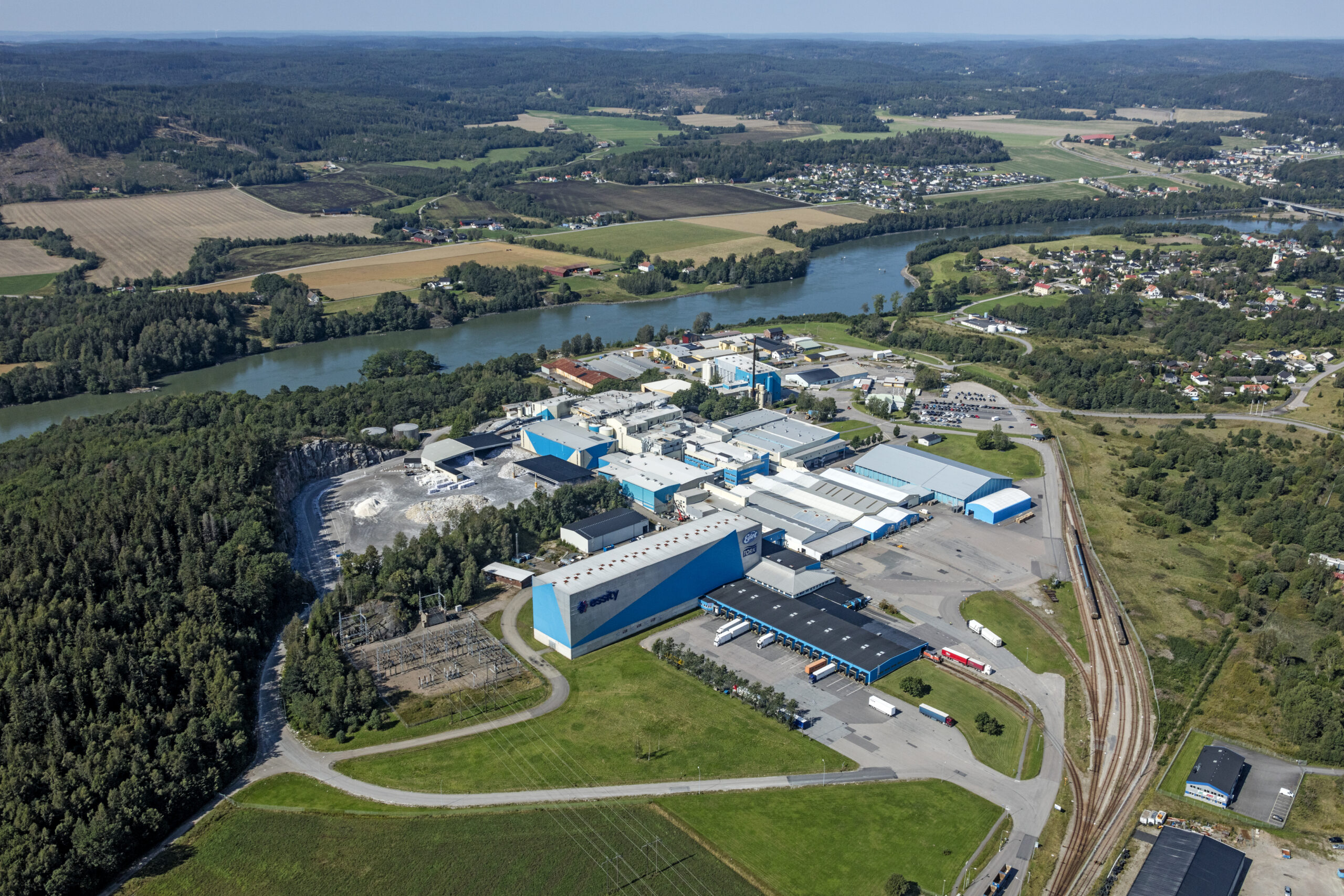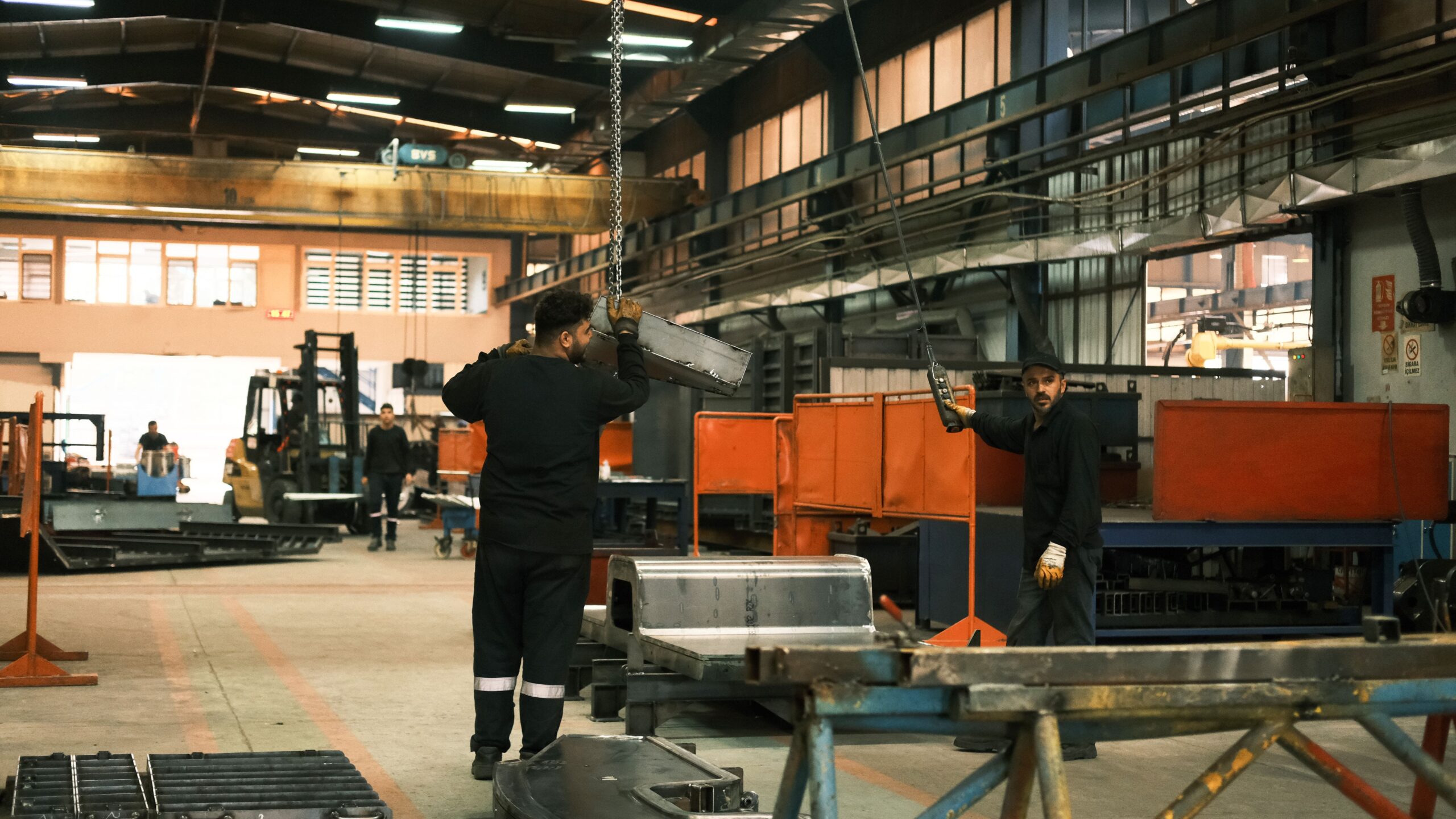
Mercedes-Benz has suspended all further investment at its German manufacturing sites while it examines potential factory closures following stalled talks over labour costs. Production chief Michael Schiebe and management board member Britta Seeger outlined the decision in an internal interview circulated on 12 November and subsequently seen by journalists. No plant has been named for closure, and the decision to suspend further capital commitments is distinct from a decision to stop existing vehicle or component production.
The company says its current German cost structure prevents further investment without changes to working arrangements. Negotiations with works councils and IG Metall have not produced an agreed savings package, despite months of discussions. Schiebe said management could see no clear route to a settlement and had therefore frozen further investment. The company has not published an inventory of affected projects, so the scope of work already authorised or under construction cannot be determined from the investment announcement alone.
German operations include assembly plants at Sindelfingen, Rastatt and Bremen, alongside component and powertrain production at Stuttgart-Untertürkheim and other sites. The different functions complicate the prospect of reassigning work: a vehicle assembly programme requires body shops, paint facilities and final assembly tooling, whereas a powertrain operation uses machining and component-specific test equipment. Schiebe had warned in September that an assembly plant and a powertrain plant could be at risk if negotiations failed. That warning did not identify either site or amount to a closure decision.
Working hours and associated labour expenditure lie at the centre of the negotiations. Management has sought longer working time without proportionately higher pay and changes to some supplementary payments; employee representatives have resisted concessions without employment and production commitments. Collective bargaining arrangements constrain how quickly a manufacturer can change scheduled working hours, even where existing production equipment could support an additional shift. A longer working week may increase available labour hours, but the effect on vehicle output also depends on station cycle times, component supply and plant utilisation.
Schiebe has said that German production labour costs can be up to five times those at Eastern European sites. That is a management comparison of labour costs, not a calculation showing that a complete vehicle costs five times as much to manufacture in Germany. Press capacity, paint-shop throughput, automation levels, energy consumption, material costs, quality losses and outbound logistics all contribute to the cost of each unit. Differences in factory mandates and product mix further complicate direct comparisons between sites.
Decisions about where to place future vehicle programmes are made years before series production. A model change can require new stamping dies, body framing equipment, joining processes, electrical test stations and end-of-line validation systems. Once a factory loses an allocation for a future programme, maintaining employment and equipment utilisation becomes harder as existing models reach the end of production. An extended investment suspension could therefore influence later plant allocations even if current assembly schedules continue without interruption.
Supply chains would respond differently depending on which activities, if any, were eventually relocated. Some vehicle components travel between several assembly plants, while large or model-specific parts are commonly produced close to the receiving factory to manage transport volume and sequencing. Transferring assembly would require changes to delivery routes, supplier qualification, production planning and test documentation. Neither a list of cancelled supplier contracts nor an allocation of named models to replacement plants has been confirmed.
Lower demand in China, pricing pressure and competition across vehicle segments have also affected Mercedes-Benz’s financial performance. Tariffs and the cost of introducing new vehicle architectures add further demands on cash that might otherwise support factory investment. The German negotiations are one element of a wider restructuring challenge, although management has specifically linked this suspension to the inability to agree a domestic labour cost package.
Employee representatives face a different set of operating risks. Longer shifts or reduced supplementary payments change pay and working patterns immediately, while assurances about future factory workloads depend on management’s subsequent product decisions. The works council and IG Metall are seeking stronger commitments to German employment and plant utilisation alongside any concessions. Discussions remain under way, and there has been no confirmed collective agreement that resolves the dispute.
Closing a factory would require a separate programme of consultation, production transfer and industrial execution. At an assembly site, engineers would have to validate joining processes, body dimensions, paint quality, software installation and final vehicle testing before transferring production volumes. Powertrain equipment presents different constraints, including machining tolerances, calibration and supplier traceability. Existing facilities could not simply be replaced by increased working hours or redirected production at another site without assessing those constraints.
The next substantive development will be an agreement on costs and employment, a decision to resume German capital spending, or a specific proposal affecting an identified plant. Until one of those steps is announced, the confirmed position is an investment freeze and a detailed review of possible closures, rather than approved factory shutdowns. Current output, the schedule for any deferred projects and the future allocation of new vehicle models remain separate questions.