A survey commissioned by the Department for Environment, Food and Rural Affairs (Defra) found that 55% of responding small and medium-sized food and drink manufacturers exporting to the EU reported reduced profitability following the introduction of new trading requirements in January 2021. The corresponding figure among importers was 47%. The findings come from 600 manufacturing SMEs in Great Britain and describe businesses’ reported experiences, not an independently isolated estimate of the financial effect of each trading rule.
ICF conducted the research for Defra, which published the findings on 13 November before the UK–EU summit scheduled for 20 November. Respondents described the cost of documentation, border procedures and uncertainty in moving food products between markets. Profitability can also change with energy, raw material, labour and exchange rate costs, so the survey cannot by itself apportion every reported loss to the new border regime.
Among manufacturers that had stopped exporting to the EU since 2021, 69% identified Brexit as a major reason; the corresponding figure for businesses that had stopped importing was 55%. These are percentages of the survey’s relevant subgroups, not of all 600 respondents or the entire UK food manufacturing sector. They provide a measure of how businesses leaving those markets describe their decisions, although individual companies may have faced more than one source of commercial pressure.
When asked which improvements would help them establish or expand EU exports, respondents placed less paperwork first at 79%, followed by lower trading costs at 78% and fewer border delays at 71%. Importers named the same three priorities, at 68%, 65% and 64% respectively. Multiple responses to this type of question can identify overlapping obstacles; the percentages should not be summed as if they were separate shares of the manufacturing population.
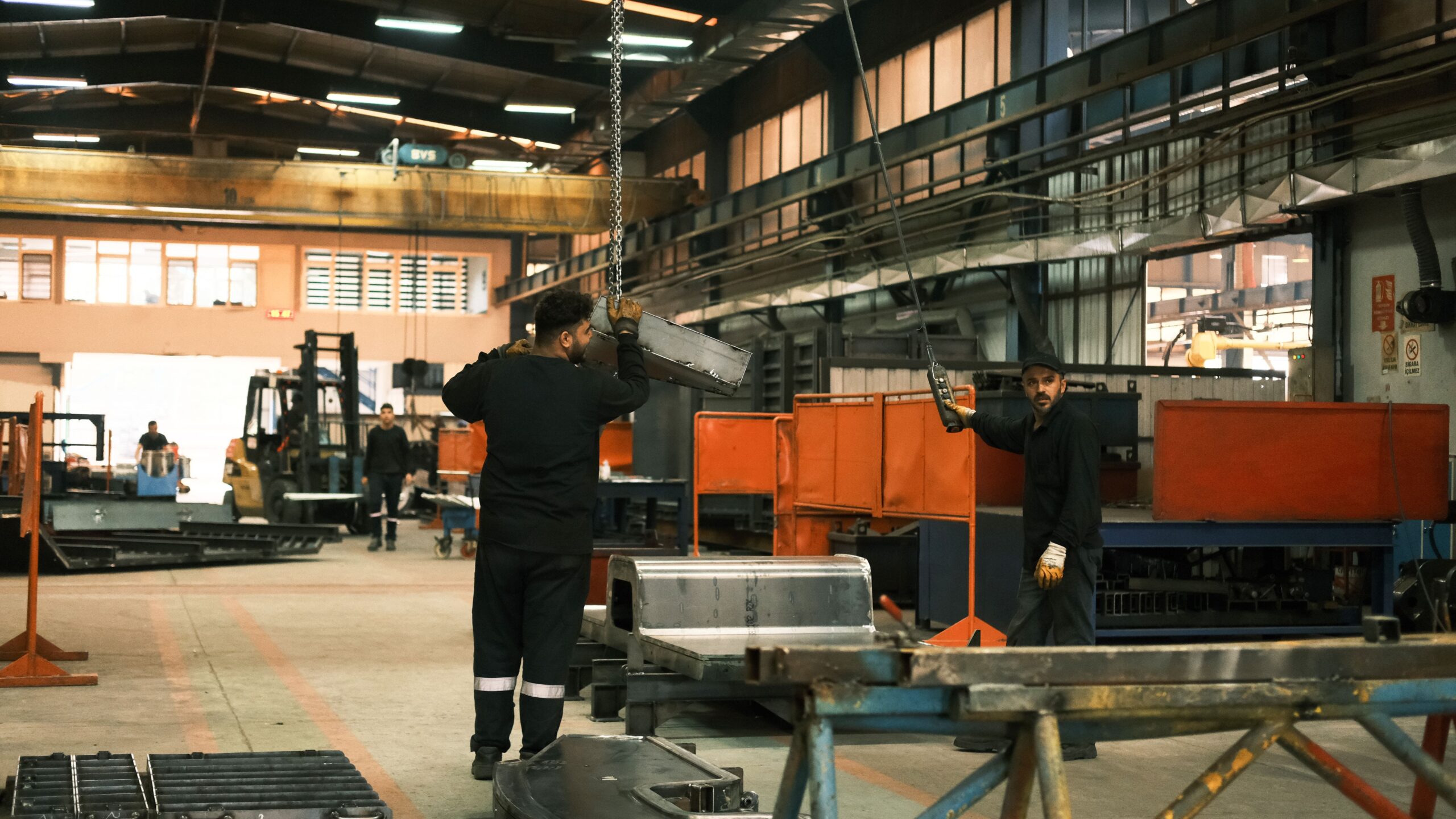
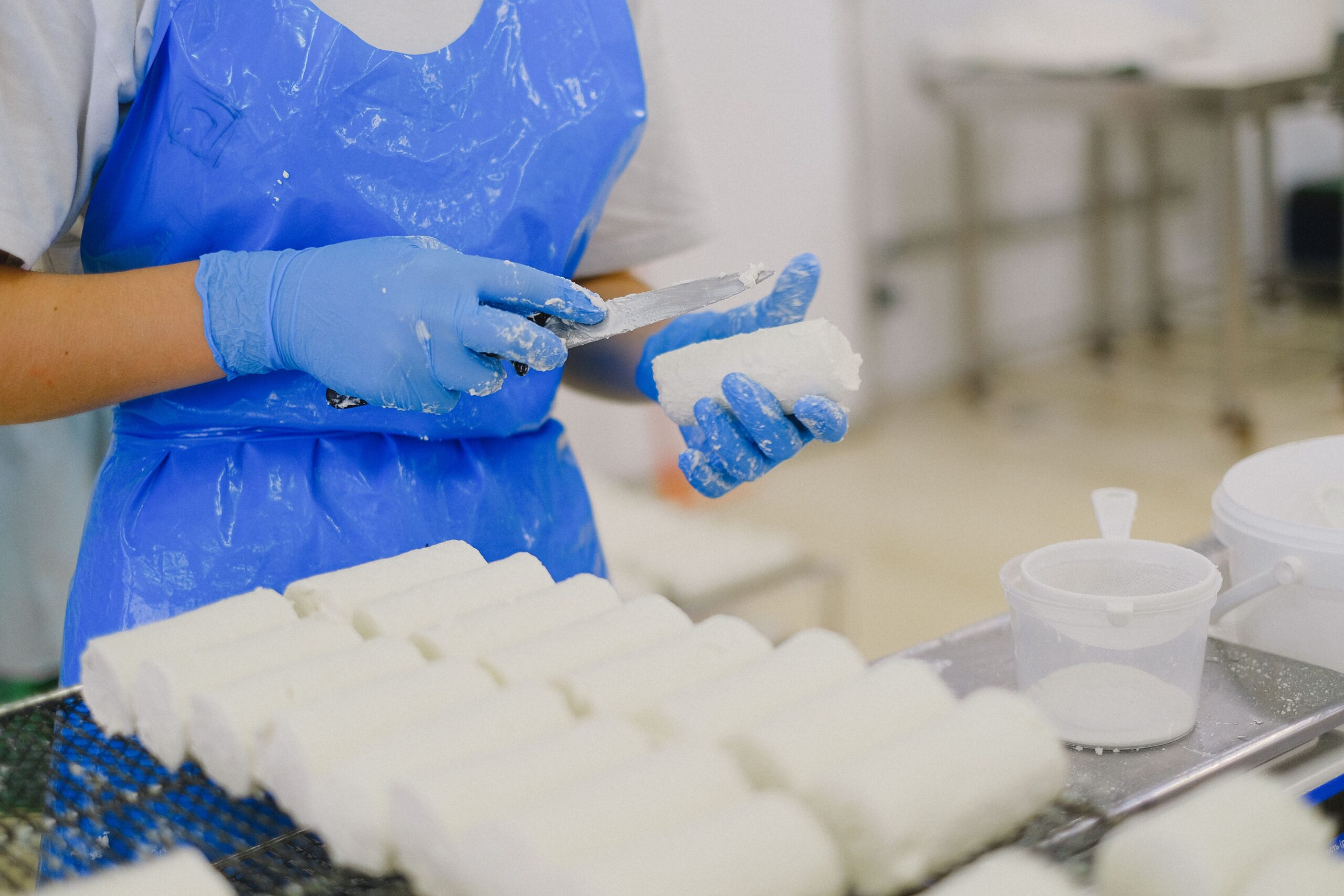
Meeting trade requirements draws on information held across a food factory. Depending on the product and destination, exporters may need regulatory certification, traceability evidence, labelling records, ingredient specifications and correctly completed consignment documents. Production planning, quality teams and transport providers must reconcile these records with the goods being shipped. Errors can hold a load at the border even when the manufacturing process and its quality checks have been completed.
Border uncertainty can also change the way a factory schedules output. Many chilled products with short shelf lives are made against delivery windows rather than placed in storage for an extended period. If a load is delayed after dispatch, the remaining shelf life available to the customer can decrease even when the product stays within its required temperature range. That affects inventory decisions, transport bookings and the point at which a business can recognise revenue, although Defra’s release does not quantify those effects for individual product categories.
Fixed costs are more difficult to absorb when export consignments are small or product lines change frequently. A manufacturer working with several formulations, suppliers and destinations may need to maintain different sets of approved specifications and shipment documentation, while still meeting domestic production and customer requirements. The survey reflects companies’ reported burdens; it does not independently separate the cost of border administration from wider changes in industrial input prices and demand.
The government is negotiating a sanitary and phytosanitary (SPS) agreement with the EU intended to reduce friction in trade involving food, plants, animals and associated products. The scope, alignment requirements and implementation timetable remain subject to agreement. Easier SPS movements would not necessarily remove every customs or tax process, and manufacturers should not treat the negotiations as a confirmed exemption from current border obligations.
Changes to trading rules can also require work inside factories. Government preparation guidance identifies food safety, hygiene, labelling, ingredients, product composition and packaging material requirements among areas that businesses may need to review. Producers could face revisions to supplier specifications, recipes, records or validation processes depending on the agreed rules. Reduced checks at the external border can therefore be accompanied by changes to the internal compliance systems used to demonstrate conformity.
According to the survey, 58% of food and drink manufacturing SMEs said a future agreement could help them increase, restart or begin exporting within a year, with roughly half expressing a comparable view about imports. These are stated intentions rather than evidence of orders already secured or shipments already resumed. Respondents also emphasised the value of reliable guidance, which was rated extremely or very influential by 71% of exporters and 61% of importers.
Defra is working with trade bodies and local business networks on guidance as negotiations continue. The next political milestone is the 20 November summit, after which any agreed timetable would need to be translated into product-specific procedures before operators could change their processes. The survey records strong demand for simpler administration and more predictable delivery; the scale of any future savings or trade recovery remains unmeasured.